

Home / Locations / Raleigh, North Carolina
Your business. Your next chapter.
Business Broker in
Raleigh, North Carolina
Present the customer relationships behind a busy order book
A business broker in Raleigh should understand who approves your company's work, how the team delivers it and which decisions still depend on you. Bridge Point Advisors welcomes a discussion about ownership objectives and preparation for a possible sale. A meeting supplies or presentation accessories business may combine retail purchases, organization-approved orders and time-sensitive deliveries. Another owner needs the contribution and practical responsibilities behind those activities. Begin with the accepted offer, usable resources and employee knowledge. The wider city's institutions introduce the setting, while private company records show the actual commercial operation and relationships being considered for transfer. Bridge Point Advisors can help organize those facts around your selling goals — without inventing a Raleigh street office.
Or call (352) 515-0226
Wake County — downtown, Centennial Campus, and airport geography kept separate
Bridge Point Advisors for Raleigh owners — without a claimed local street office
Bridge Point Advisors helps Raleigh and surrounding owners present their companies clearly — without treating a civic caption, undated directory listing, or leftover peer-metro multiple as twelve months of private earnings. Call (352) 515-0226. This page is Raleigh, North Carolina. Soften sale talk — no Proven Track Record slogans or Key Market Stats widgets. We work nationally from Spring Hill.
Bridge Point Advisors
Raleigh, NC and surrounding areas. We work nationally from Spring Hill and do not list a fake Raleigh street office or unverifiable local hours.
A different sale story for every company
Key industries in Raleigh
What owners should prepare before taking a business to market — qualitative preparation, not hard deal tallies.
Meeting supplies and presentation accessories
Define the actual retail and preparation offer, useful stock and employee capability. The fictional badge-holder scene does not establish security access or a real institutional account. A buyer needs completed work and current accepted instructions. Explain how staff verify quantities, identify reserved goods and handle changed requirements. Another operator can investigate the demonstrated offer before treating every inquiry as committed revenue or assuming every blank accessory in storage is freely available for another customer on the same date. See retail.
Downtown event and rail-visitor services
The city describes Union Station as a train station and event space, with different guidance for short and longer parking.[1] A private supplier needs its own customer approval and receiving arrangement. Passenger access guidance cannot establish commercial loading rights. Explain actual orders, delivery effort and the approving party. Another owner needs supported contribution and relevant permissions before interpreting a recognizable downtown destination as a venue contract, an accepted booking or future purchasing available after the business changes hands. See event planning.
Services for university and campus partner organizations
Centennial Campus brings together university activity and distinct industry, government and nonprofit partners.[2] A seller should identify which organization approves the company's work. Personal purchases differ from institutional procurement, and several contacts may belong to the same account. Show actual scope, costs and retained permissions. Another operator can investigate the documented relationship without assuming campus proximity confers research expertise, ownership of customer material or access to purchasing across every partner and university department. See consulting.
Businesses serving regional airport-area customers
RDU's Observation Park page gives a Morrisville address and distinguishes specific public spotting arrangements.[3] A private business should establish its own commercial role and relevant destination. Public visitor access cannot establish permission to operate at the airport or an authority supply agreement. Explain actual travel effort and accepted work through company records. Another owner needs that private evidence before treating a regional airport reference as downtown trade or assuming all activities at a public-facing facility share the same permissions. See retail.
Everyday commercial and household support
An operation may prepare goods for households, small businesses and larger organizations with different approval routines. Connect each stream with actual accounts and completed work. Several contacts can represent one organization, while unrelated customers may use the same collection location. Include outside costs and the attention required by exceptions. A buyer can assess concentration and owner dependence more clearly when the seller shows which ordinary decisions employees already handle and which still require the proprietor's personal intervention. See construction.
Valuation & exit prep
Soften valuation talk to supported earnings after a real manager wage — not a civic caption or leftover peer-metro multiple as twelve months of private profit. See business valuations and the sale-prep roadmap.
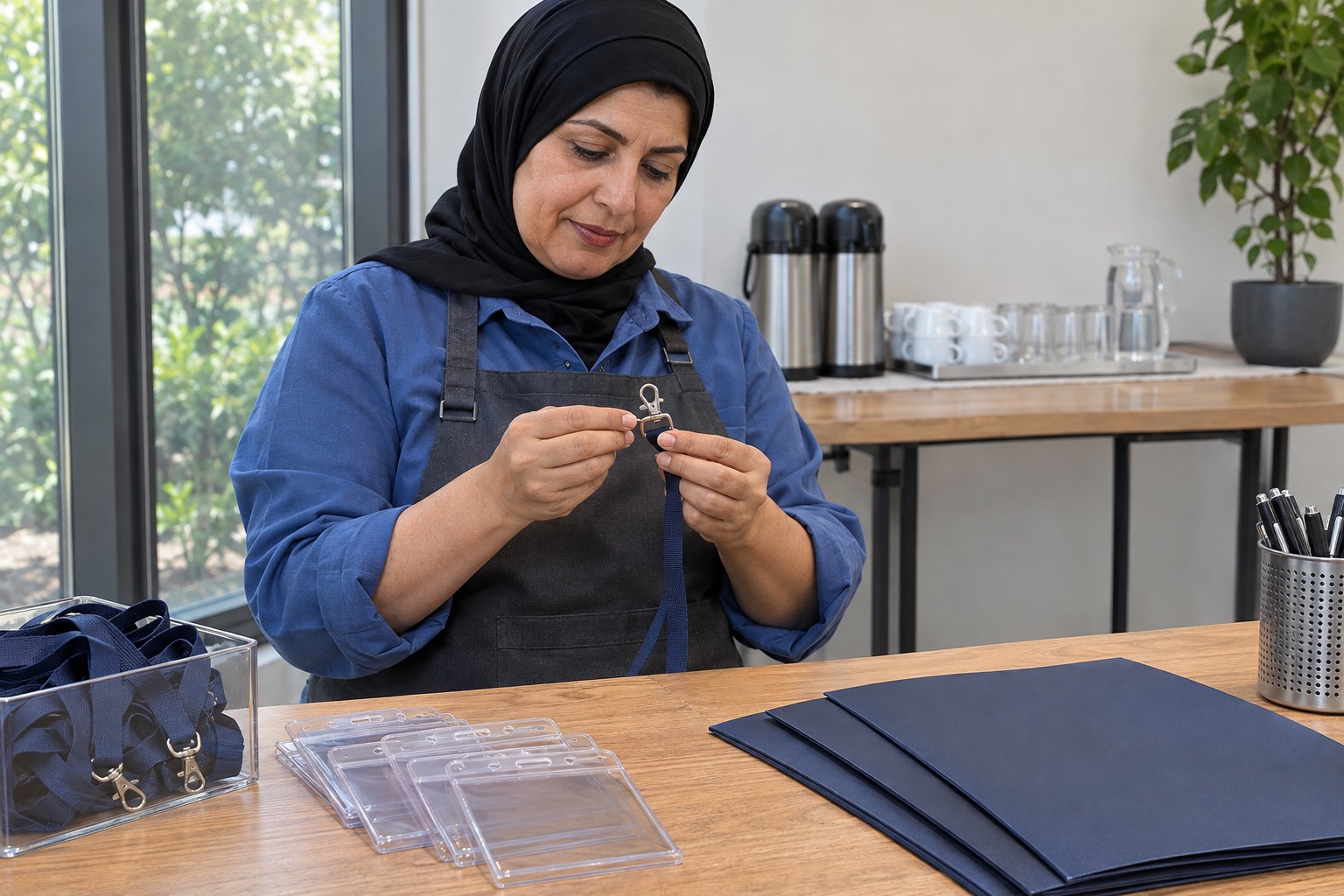
AI-generated editorial illustration. Not a photograph of an actual local business.
The market behind your business
Read downtown, Centennial Campus and airport geography separately
The City of Raleigh identifies Union Station at 510 West Martin Street and describes both train service and event use. Its page distinguishes short-term on-site parking from options recommended for longer stays.[1] A supplier should establish its own receiving and delivery instructions rather than treat passenger parking guidance as a loading agreement. Event use also does not prove a private company's booking or venue relationship. Another operator needs the actual customer, approved scope and arrangements for work the seller describes as part of its business.
NC State's Centennial Campus website describes a setting connecting university activity with industry, government and nonprofit partners.[2] Those are different potential approving organizations. A private firm should identify which party actually purchases its goods instead of treating every campus contact as one university account. Partnership information cannot establish a seller's research capability, ownership of a customer's material or a continuing supply contract. Another owner needs evidence of the company's own accepted work and the rights relevant to its demonstrated offer.
Raleigh-Durham International Airport's Observation Park page gives a West International Drive address in Morrisville. It distinguishes public spotting arrangements at the park from those for the top level of the central parking garage.[3] Keep that airport-area geography and activity separate from downtown Raleigh. A visitor amenity does not grant commercial access or establish procurement by the airport authority. A seller describing regional customers should show actual destinations, permissions and travel costs rather than assume the airport name makes every related purchase a city-center account.
For an owner preparing to sell a business in Raleigh, these distinctions help make a broad service area understandable. The illustrative counter shows fictional blank badge holders and a plain lanyard clip. It depicts ordinary meeting supplies, without a security credential, institution logo or real attendee information. The example raises a useful operational question: can another person connect the accepted quantity, current instruction and actual approving account when several contacts from one organization are arranging different parts of the same occasion? Soften sale talk — no fake Proven Track Record slogans or an unverifiable Raleigh street office for Bridge Point Advisors. This page is Raleigh, North Carolina. Compare with Smithfield, Hillsborough, Louisburg, Sanford, Henderson only on each company's own files.
The ownership transition
Transfer the approval process behind the completed order
Soft process steps aligned with Bridge Point Advisors practice — not invented close counts or a claimed Raleigh desk.
Understand the business
Orientation can follow a routine order from request through approval, preparation, dispatch and completion. Then review a change involving another organizational contact. Demonstrate how staff identify the current instruction and when they seek assistance. The plain lanyard clip represents one completeness question within that larger operation. An equipment list cannot explain every approval decision, so show how retained records and shared employee knowledge support the present offer after the proprietor who maintains familiar contacts steps away.
Prepare the presentation
Define proposed assistance through specific tasks and realistic availability. Reviewing open commitments, explaining account references and making appropriate introductions may help where agreed. Assign responsibility for customer material, unfinished work and outside settlements at the transfer point. Formal terms need suitable professional advice. A useful handover gives another operator a current account and workable references, with clear limits, instead of leaving the former owner indefinitely responsible for every later quantity choice or question about an earlier discussion with an organizer.
Plan the transition
Match seller assistance to accepted obligations and resources already available in Raleigh.
Due diligence
Due diligence — test lease, licenses, customer concentration, and quiet midweeks against local evidence — not a peer metro leftover.
Closing and transition
Closing and transition — hand over routines, contacts, unfinished work, and a clear endpoint so the buyer can run the next week without the founder.
Use the sale-prep roadmap and due diligence guides. M&A advisory fits when the company and buyer require that level of engagement.
Local context. Practical implications.
Explain the account behind the contact list
A contact list can overstate customer diversity if several names belong to one approving organization. Start with the commercial relationship and connect it with completed orders. Identify who requested the work, who approved changes and who pays. A university visitor, a private campus partner and an event organizer can use similar destinations while representing different accounts. Another owner needs that distinction before assessing concentration or assuming a long directory of contacts establishes a widely dispersed stream of repeat income.
Follow the approved instruction through production and preparation. Quantities, materials, finishing and delivery dates may change after an estimate. Show how staff recognize the latest agreed version and who can authorize another change. A deposit may accompany purchasing and assembly still to perform. Another operator needs the current commitment beside the payment. An attractive calendar cannot communicate whether an occasion has accepted the firm's work, merely requested a quotation or left a material instruction unresolved.
The lanyard clip illustration introduces a completeness question rather than a credentialing procedure. An ordinary blank holder may be sale stock, reserved for an accepted order or supplied by a customer. Similar items can have different purposes. Explain how employees identify the correct resource and decide when to ask for more information. A buyer needs the references supporting those decisions, particularly where the proprietor currently remembers which combination belongs to each familiar organizer and which resources are already committed for a particular date.
Show contribution beyond the goods charge. Preparation, revision discussions, outside purchases, packing and delivery can consume resources before a finished order reaches the customer. Similar receipts may leave different earnings if one requires another journey or repeated proprietor attention. Use actual completed examples with relevant costs. Another owner can investigate repeatability more effectively when the account connects each activity with employee time and resources, rather than assuming a larger order automatically creates proportionately greater contribution.
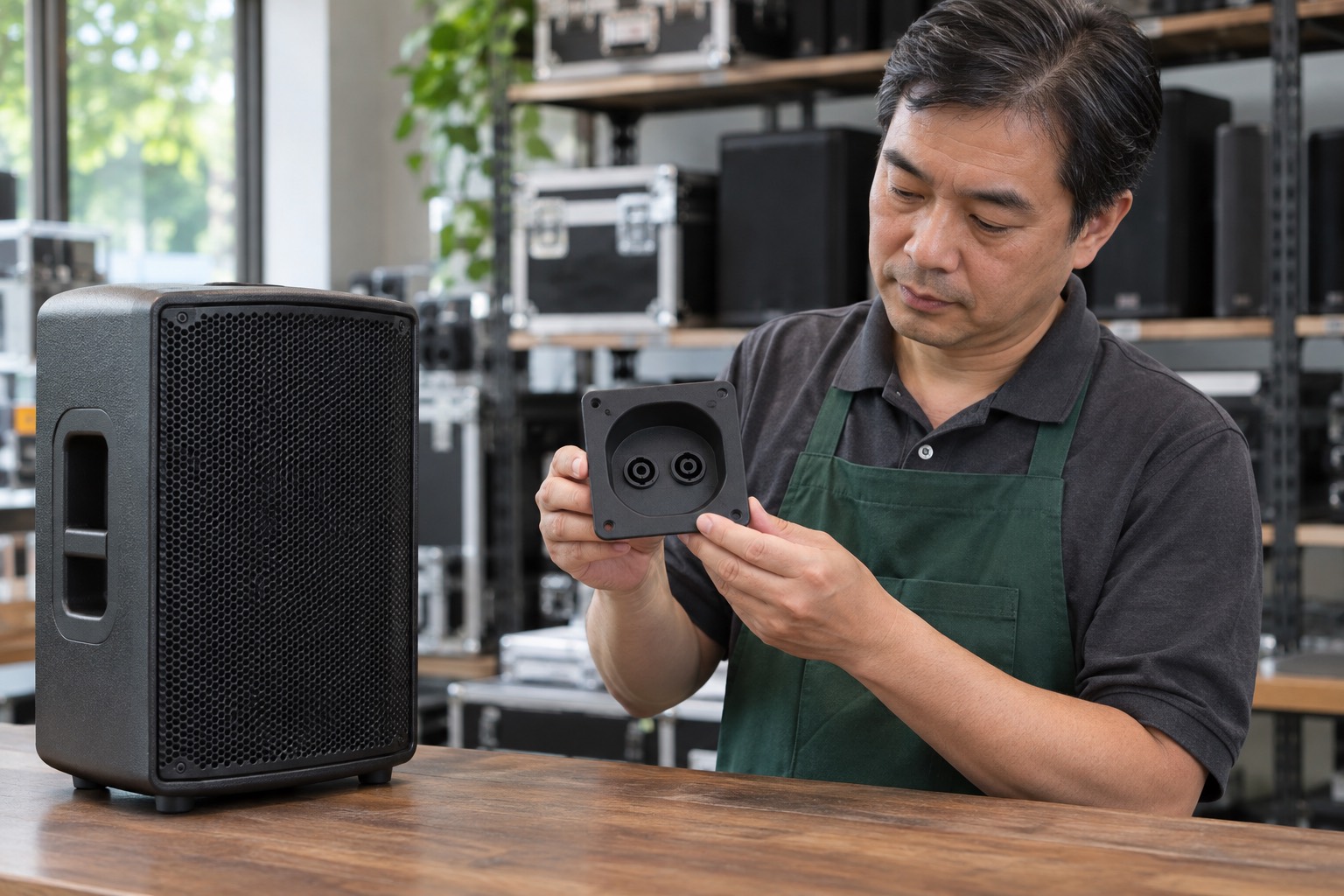
AI-generated editorial illustration. Not a photograph of an actual local business.
Local market perspective
Compare service territory with the contribution it produces
Business brokerage in Raleigh should explain where the company actually works and what it costs to serve those customers. Compare consistent trading periods and identify changes in order mix, delivery effort and staffing. A larger territory may require more travel or coordination before it produces additional contribution. Another owner needs that pattern beside the receipts. A general regional description cannot show whether the existing team can complete the current offer or which duties remain concentrated in the proprietor.
Keep public settings separate from private performance. Union Station, Centennial Campus and the airport visitor amenity describe different destinations and arrangements.[1][2][3] They cannot determine an independent company's earnings or value. If the seller attributes a material result to an organization or change in customer geography, show dated transactions and associated costs. Retain uncertainty where the records cannot establish a connection. A buyer can investigate an observed pattern more effectively than a broad claim derived from the city's recognizable institutions.
Possible improvements need an operating question and evidence. Clearer account identification might reduce approval delays; a better dispatch record could reduce unnecessary return journeys. Show measured effects and implementation effort where the change has been tested. Otherwise identify the proposal at its actual stage. More stock, new equipment or a wider service range needs capability and customers. Future opportunities can inform the discussion, while the present financial account should remain supported by the operation already demonstrated by the business being offered.
A clearer story for a prospective buyer
Raleigh, NC and surrounding areas
Providing local expertise
Nearby markets we also serve
Smithfield, North Carolina
Underwrite on its own records.
Hillsborough, North Carolina
Underwrite on its own records.
Louisburg, North Carolina
Underwrite on its own records.
Sanford, North Carolina
Underwrite on its own records.
Henderson, North Carolina
Underwrite on its own records.
Spring Hill, Florida
National desk — where Bridge Point lists from.

Begin with a clear picture of your Raleigh company
Bring your goals, current results and a practical description of the work customers already purchase. Explain approving accounts, open commitments, useful resources and decisions handled personally. Bridge Point Advisors welcomes an initial discussion about preparing a fuller presentation. Accurate local geography and supported operating records provide a useful starting point for examining contribution, continuing duties and assistance that may help another operator through a considered transfer of the company you have built. Call (352) 515-0226 or contact us.
Or call (352) 515-0226
Questions from local owners
Frequently asked questions
About selling a business in Raleigh, North Carolina
Does station parking guidance establish a supplier loading arrangement?
The city identifies Union Station at 510 West Martin Street and distinguishes short-term on-site parking from longer-stay options.[1] That passenger and visitor guidance cannot establish a private commercial loading agreement. A seller needs the actual receiving instruction, accepted customer scope and relevant permissions for its own deliveries.
Are all Centennial Campus contacts one university customer?
The campus website describes connections with university activity and industry, government and nonprofit partners.[2] A private seller should identify the real approving organization. Several contacts may belong to one account, while distinct partners can share a destination. Completed transactions need to establish the actual commercial relationship.
Is the airport observation amenity downtown Raleigh?
RDU gives Observation Park a West International Drive address in Morrisville and describes specific public spotting arrangements.[3] Keep that geography and activity scope clear. Visitor access cannot establish commercial permission, airport procurement or the travel costs of a private supplier, which need the company's own evidence.
Why link deposits with the accepted instruction?
An advance payment can accompany purchasing, preparation or delivery still to perform. Another owner needs the current quantity, approval and remaining action beside the money. A clear record prevents a busy order list from being interpreted as completed earnings and helps staff act without depending on the proprietor's recollection.
How do buyers think about value for a Raleigh, North Carolina company?
Owner-operated shops often price around two to three and a half times seller's discretionary earnings after a real manager wage. With a lead already holding a quiet midweek, a directional band is often two and a half to four and a half times those earnings. Managed companies often price on adjusted EBITDA, commonly about three to six times near a ten million dollar price. Those ranges are directional, not a quote.
Who helps sell a business in Raleigh, North Carolina?
Bridge Point Advisors. Start with a valuation or contact — call (352) 515-0226. The firm works nationally and does not claim a street office in Raleigh.

Ready to discuss selling your business in Raleigh?
Start with your goals, your recent results, and the company you are ready to transfer. Bridge Point Advisors — call (352) 515-0226. No street address is claimed for Bridge Point in Raleigh. Or contact us online. This page is Raleigh, North Carolina.
Or call (352) 515-0226
Local research and sources
[1] City of Raleigh, Raleigh Union Station. Reviewed November 6, 2026. Source
[2] NC State University, Centennial Campus. Reviewed November 6, 2026. Source
[3] Raleigh-Durham Airport Authority, Observation Park and Plane Spotting. Reviewed November 6, 2026. Source