

Home / Locations / Ahoskie, North Carolina
Your business. Your next chapter.
Business Broker in
Ahoskie, North Carolina
Make the business behind each customer order understandable
Working with a business broker in Ahoskie starts with a clear description of what your company delivers and how it earns its income. Bridge Point Advisors welcomes a discussion about the sale you are considering, the preparation already done and the records available. An office supply and furniture business may combine stocked goods, special orders, assembly and delivery. Each part uses different resources and carries different customer promises. Another owner needs the earnings account connected with that work, including the decisions you handle personally, so a sale presentation describes an operation that can be investigated and a transition that can be Bridge Point Advisors can help organize those facts around your selling goals — without inventing a Ahoskie street office.
Or call (352) 515-0226
Distinguish the town, an outlying campus and a hospital purchaser
Bridge Point Advisors for Ahoskie owners — without a claimed local street office
Bridge Point Advisors helps Ahoskie and surrounding owners present their companies clearly — without treating a civic caption, undated directory listing, or leftover peer-metro multiple as twelve months of private earnings. Call (352) 515-0226. We work nationally from Spring Hill.
Bridge Point Advisors
Ahoskie, NC and surrounding areas. We work nationally from Spring Hill and do not list a fake Ahoskie street office or unverifiable local hours.
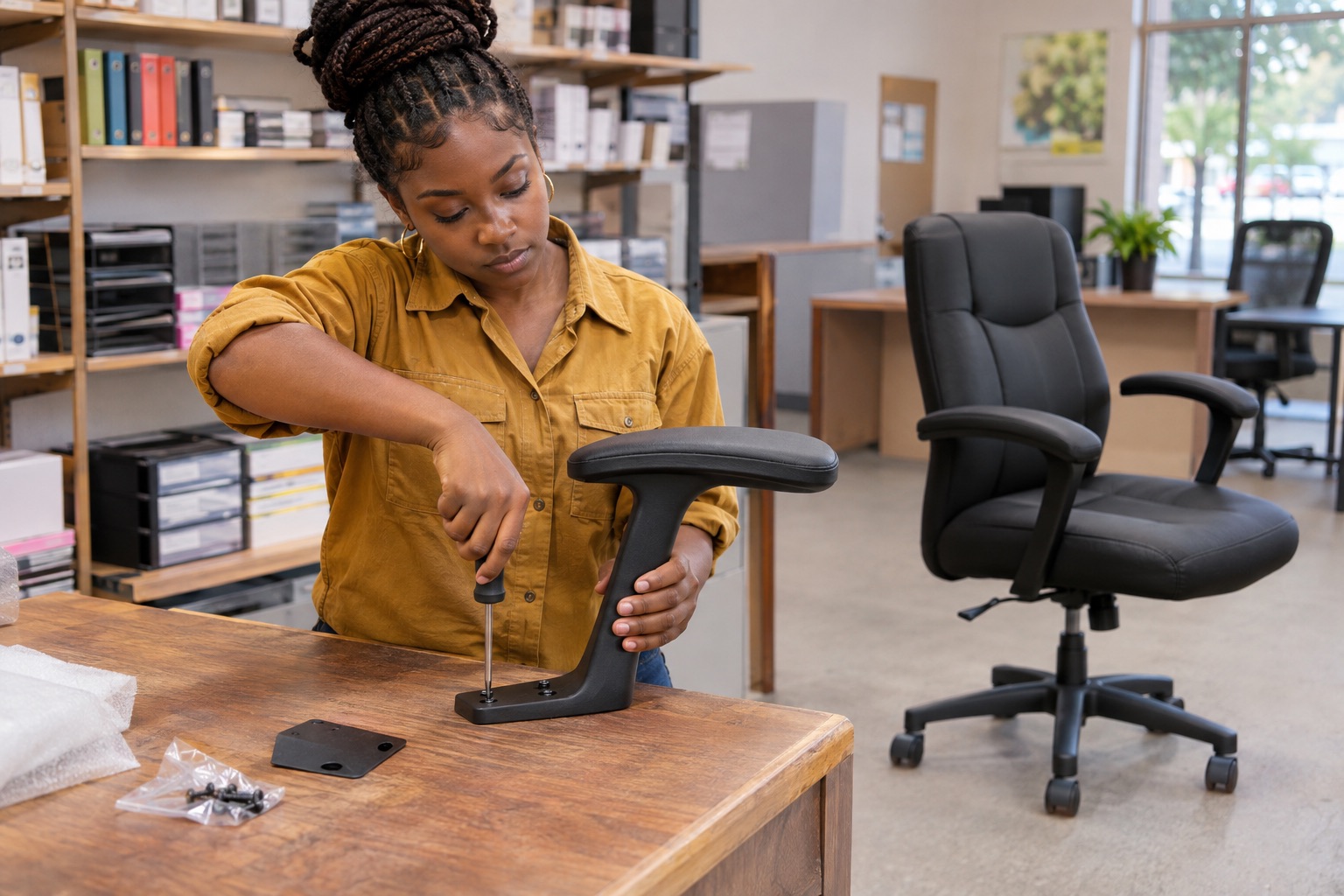
AI-generated editorial illustration. Not a photograph of an actual local business.
The market behind your business
Distinguish the town, an outlying campus and a hospital purchaser
Ahoskie's official town website lists its contact address at 201 West Main Street. [1] That locates a municipal destination; it does not define the full territory of a private company using an Ahoskie address. Before you sell a business in Ahoskie, identify the actual premises, customers and delivery locations in your own operation. A counter sale in town and a delivery beyond town can have different resource requirements. Another owner needs those differences explained through transactions and routes rather than an assumption that every address with the same mailing place represents identical operating conditions.
Roanoke-Chowan Community College explicitly describes its campus as outside the town of Ahoskie and identifies its location at 109 Community College Road. [2] Postal identification and municipal geography should therefore remain distinct. A furniture or supply seller should explain actual delivery scope, purchaser authority and work required at a particular destination. Campus presence cannot establish a private company's account, and several recipients on a campus do not necessarily represent separate customers. The buyer needs the seller's own purchasing relationships and instructions.
ECU Health's location directory uses the current name ECU Health Roanoke-Chowan Hospital and lists 500 South Academy Street [3] Older references may use an earlier brand, so a sale presentation should use current names while retaining the history needed to match the company's records. An employee buying for personal use differs from an authorized institutional purchase. The hospital's address supplies a verified destination, while the seller's accepted orders, fulfillment and payment records establish any commercial relationship relevant to the business being sold.
The illustrative office furniture scene shows an armrest being assembled at a service counter. It represents no actual Ahoskie company, municipal supplier, college contractor or hospital vendor. The example brings attention to the work behind a product sale. Another owner needs to know what assembly is included, which goods are available, what has been ordered for customers and who resolves a mismatch. A showroom and a sales total cannot communicate every obligation or the labor that supports ordinary contribution. Compare with Roanoke Rapids, Williamston, Windsor, Winton, Elizabeth City only on each company's own files.
Navigating the Ahoskie business market
Keep the Ahoskie file measurable
Prepare a current picture of orders, stock and owner decisions Before you sell your business in Ahoskie, reconcile the financial reports with supporting transactions and explain material timing differences. Separate extraordinary jobs and related resources from ordinary history. For proposed earnings adjustments, describe the function of the expense and any replacement task another owner would need. Include buying, specification checks, delivery coordination and customer problem-solving performed by the proprietor. The supported earnings account should describe the resources required to keep the accepted offer working rather than assume the owner's duties disappear without a replacement.
Create an order register staff can maintain during a sale process.
Include the purchaser, accepted specification, supplier status, payments, goods allocated and next action. Distinguish an inquiry from a confirmed order and a received item from a completed customer transaction. For the illustrative chair component, another owner should be able to find which order it belongs to and who may approve an alternative. Where information is missing, identify the limitation and improve the live routine rather than invent a complete historical record.
Describe stock by ownership, usability and commitment. Identify obsolete lines, display items, supplier returns and goods already reserved. Explain how counts and valuations relate to operating reports. Tools, vehicles and premises also need an account of ownership, condition and use. Appropriate advisers should review formal transfer and permission matters with the relevant documents.
Local context. Practical implications.
Account for stocked goods, special orders and practical service
separately An office supply business should describe what customers can buy immediately and what must be sourced. Stock ownership, availability and suitability are separate questions. A chair on display might be a company-owned sample, a reserved customer item or goods belonging to another party. Explain the records staff use to distinguish those positions. Another owner should be able to understand the inventory without asking the proprietor to reconstruct every conversation or assume everything physically present is available for a new sale.
Special orders need a clear sequence. Show how a request becomes an accepted specification, how the supplier order is checked and what happens when an item arrives with a different component or timing. Explain who can approve a substitution and how the customer is informed. The illustrative armrest is a reminder that a small mismatch can create extra work. A buyer needs the company's actual exception process and cost history rather than a broad assurance that suppliers always deliver the right goods or customers readily accept changes.
Assembly and delivery should be visible in job economics. Identify the staff time, packaging, travel and follow-up relevant to the actual offer. An invoice with more purchased furniture may not create proportionately more contribution. Use representative completed transactions to explain ordinary work and a more demanding exception, noting where records support only a broad allocation. Another owner can then investigate the earning process without treating the difference between purchase price and selling price as the full economic result.
Purchasing control matters more than a list of delivery addresses. Town offices, the outlying college campus and the hospital are distinct settings. [1][2][3] Private records must establish who actually buys and who can authorize a changed order.
Several departments might depend on one organizer, while individuals at the same destination may purchase independently. Show completed history, accepted commitments and expectations separately so a buyer can assess concentration and possible continuity without assuming that every recognizable local name represents a transferable account.
A DIFFERENT SALE STORY FOR EVERY COMPANY
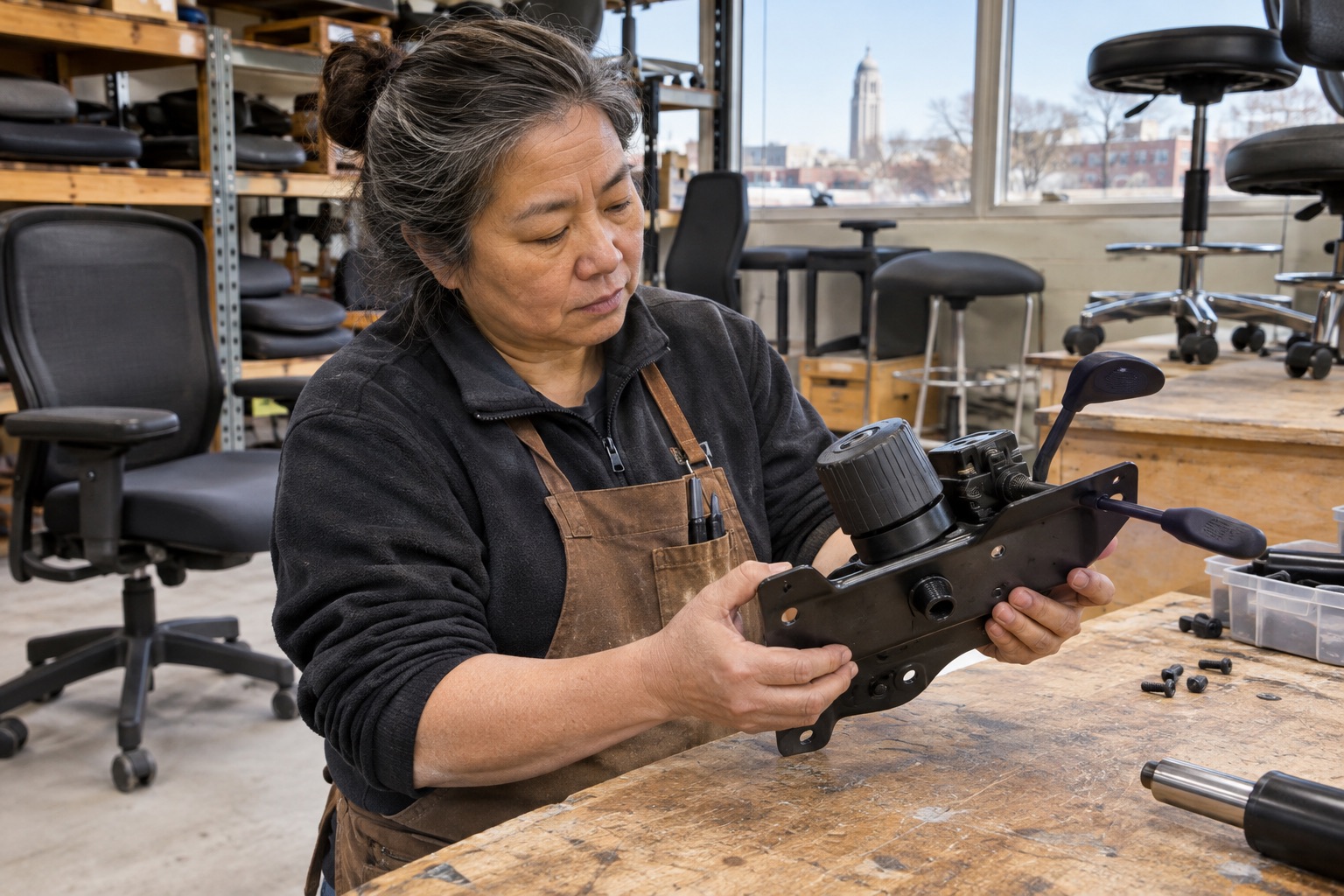
AI-generated editorial illustration. Not a photograph of an actual local business.
A different sale story for every company
Key industries in Ahoskie
What owners should prepare before taking a business to market.
Office supply, furnishings and assembly services
Describe the mix of immediate stock sales, special orders and practical service. Identify company-owned goods, display samples, reserved items and customer property. Another owner needs the labor earnings. Explain how staff verify specifications and handle a mismatch. A complete showroom does not establish that every item can be sold again, and an advance payment does not prove that assembly, delivery and follow-up Health-area commercial and everyday trade ECU Health lists its Roanoke-Chowan hospital on South Academy Street [3] A separate seller should support actual related revenue through purchaser, scope and settlement records. Personal employee spending differs from authorized organizational purchasing. Explain service requirements and customer concentration Another owner should not infer vendor status, access arrangements or recurring revenue from the hospital's public location information or assume a relationship continues automatically when a private company changes ownership. See retail.
College-area and educational support
The college describes its campus as outside the town.[2] A seller serving that setting should explain routes and actual delivery duties accurately. Several campus recipients can involve one purchasing decision rather than independent recurring customers. Record who accepted the order, what was supplied and what remains outstanding. A buyer needs real costs and instructions before assessing repeatability; the college's public educational information cannot establish a particular seller's account or guarantee future work. See consulting.
Municipal-area and professional services
The town's West Main Street contact provides geographic context. [1] A private company needs its own evidence for any organizational work. Distinguish authorized purchasing from staff spending or an order placed through an intermediary. Explain deadlines, completion and payment through actual records. Another owner needs the conditions of the relationship and any matter requiring confirmation. An office address does not establish supplier approval, private revenue or a contract that can be assumed to transfer with the business. See consulting.
Neighborhood retail and property support
An everyday seller should explain its working week, service area, staffing and the tasks performed before and after customer contact. Connect prices with resource requirements and show where proprietor knowledge remains important. A buyer needs usable assets, current customer commitments and supported earnings rather than a broad local demand claim. Separate ordinary completed work from a one-time project and any proposed expansion so the company can be assessed on what its records actually demonstrate. See property management.
Valuation and exit prep
Keep an Ahoskie price conversation on supported earnings, usable assets, and the work still held by the owner. A public address or a recognizable institution is context, not a multiple. See business valuations and the sale-prep roadmap.
The ownership transition
Carry accepted specifications into the next owner's routine
Soft process steps aligned with Bridge Point Advisors practice — not invented close counts or a claimed Ahoskie desk.
Understand the business
Teach the operating process through a completed stock sale and an open special order. Follow the request, suitability check, approval, sourcing, assembly, delivery and settlement. Explain where the latest specification is held and how staff recognize that an earlier version has been superseded. The illustrative armrest makes that question concrete: a component has commercial meaning only when its intended use and current customer instruction are understood. An inventory tour alone cannot communicate the judgment behind a completed service and product transaction.
Prepare the presentation
Define proposed support by the work it addresses. Supplier introductions, explanation of stock decisions and assistance with existing order exceptions may require different availability. Preserve useful answers where the team can retain them, and assign each unresolved issue a responsible role and next action. Appropriate advice should address the formal arrangements. The practical aim is a business whose resources, purchasing relationships and customer promises another owner can manage after a defined transition, with the proprietor's knowledge translated into usable operating guidance.
Plan the transition
Carry accepted specifications into the next owner's routine
Due diligence
Due diligence — test the lease, licenses, customer concentration, and a quiet midweek against Ahoskie evidence. See the [diligence guide](/blog/what-happens-during-due-diligence-a-sellers-survival-guide).
Closing and transition
Closing and transition — hand over routines, contacts, and unfinished work so the buyer can run the next Ahoskie week without reconstructing it from the founder.
Use the sale-prep roadmap and due diligence guides. M&A advisory fits when the company and buyer require that level of engagement.
Local market perspective
Investigate expansion through the order process customers already use
Business brokerage in Ahoskie should make the existing operation clear before presenting new services or territories. A furniture business might consider more assembly work, a broader range or additional delivery days. Explain what has already been tested and which resources remain necessary. The nearby institutional settings provide context for questions, [1][2][3] but do not establish private demand for an untried offer. Another owner needs the company's present earnings to be distinguishable from a future plan requiring additional work or investment.
The useful constraint may be information rather than floor space. A wider product range can increase specification checks, supplier coordination and the chance of a costly mismatch. Show how the company manages those duties now. An extra display item cannot resolve an unclear customer approval or a special order whose latest instructions are held only in the owner's messages.
If a process change has produced a result, explain the period and cost.
Otherwise, describe it as a possibility requiring investigation rather than established improvement.
Compare financial periods using the same definitions. A larger delivery, a change in supplier terms, a delayed collection or altered product mix can affect receipts and contribution differently. Explain the company's own changes before attributing the result to the wider area. State limitations when stock movements or service time are not allocated precisely. A buyer can investigate a supported account with identified gaps more effectively than a smooth forecast that assumes every proposed order will become profitable repeat business.
A clearer story for a prospective buyer
Ahoskie, NC and surrounding areas
Providing local expertise
Nearby markets we also serve
Roanoke Rapids, North Carolina
Underwrite on its own records.
Williamston, North Carolina
Underwrite on its own records.
Windsor, North Carolina
Underwrite on its own records.
Winton, North Carolina
Underwrite on its own records.
Elizabeth City, North Carolina
Underwrite on its own records.
Spring Hill, Florida
National desk — where Bridge Point lists from.
Discuss the Ahoskie company you are preparing to sell
Bring Bridge Point Advisors your objectives, a concise operating description and the evidence already available. Explain stocked goods, special orders, assembly, deliveries, customer relationships and decisions you handle personally. An initial discussion can identify preparation for a fuller presentation and matters needing specialist review. Keep demonstrated results distinct from possible improvements, then consider the financial records, working knowledge and practical support another owner would need to investigate the business and prepare for a workable ownership change. Call (352) 515-0226 or contact us.
Or call (352) 515-0226
Questions from local owners
Frequently asked questions
About selling a business in Ahoskie, North Carolina
Does an Ahoskie mailing address establish a location inside town?
The college uses an Ahoskie address but explicitly describes its campus as outside the town.[2] A private seller should identify actual premises and routes accurately. Mailing identification alone cannot establish identical municipal geography, delivery costs or operating conditions for every customer location.
Which name should a hospital-related business account use?
ECU Health's directory currently uses ECU Health Roanoke-Chowan Hospital and lists South Academy Street. [3] Use current identification while retaining the record history needed to match earlier transactions. The public listing does not establish that the seller holds a supplier account or that employee purchases are institutional orders.
Does the town's contact address prove government purchasing?
The town lists 201 West Main Street. [1] A private company needs accepted-order and settlement evidence for actual organizational work. Identify the purchaser and authority behind a transaction. A destination alone cannot show contract status, repeatable revenue or a relationship that transfers automatically to another owner.
Why connect an assembled item with the accepted specification?
An item can be physically complete while a customer approval, delivery or correction remains unresolved. Keep current instructions, allocated goods, payments and next action together. Another owner can then assess usable stock and remaining duties without assuming every received payment or finished-looking chair represents a fully completed transaction.
How do buyers think about value for a company in Ahoskie, North Carolina?
Buyers look at supported earnings, usable assets, customer concentration, premises, and the resources required to keep the accepted offer working. A public address or a recognizable local institution does not set the price. The range is a question for this company's records, not a quote from a neighboring market.
Who helps sell a business in Ahoskie, North Carolina?
Bridge Point Advisors. Start with a valuation or contact — call (352) 515-0226. The firm works nationally from Spring Hill, Florida, and does not claim a street office in Ahoskie.
Ready to discuss selling your business in Ahoskie?
Start with your goals, your recent results, and the company you are ready to transfer. Bridge Point Advisors — call (352) 515-0226. No street address is claimed for Bridge Point in Ahoskie. Or contact us online.
Or call (352) 515-0226
Local research and sources
[1] Town of Ahoskie, Home Page. Reviewed November 5, 2026. Source
[2] Roanoke-Chowan Community College, About R-CCC. Reviewed November 5, 2026. Source
[3] ECU Health, ECU Health Roanoke-Chowan Hospital. Reviewed November 5, 2026. Source