

Home / Locations / Vineland, New Jersey
Your business. Your next chapter.
Business Broker in
Vineland, New Jersey
Give a purchaser a clear account of the company's trade and commitments
A Vineland business owner considering a sale needs to explain the operation behind the financial result. Customers, stock, accepted work and the seller's personal duties all belong in that account. A business broker in Vineland can help organize the evidence around your departure objectives. Bridge Point Advisors welcomes a discussion of the company you own, intended timing and information available for review. Begin with comparable periods and representative transactions. Local institutions and downtown promotion provide useful context, while private records establish actual income. A purchaser needs to understand what is supported today, which obligations remain open and how another operator would continue the offer after the seller steps away. Bridge Point Advisors can help organize those facts around your selling goals — without inventing a Vineland street office.
Or call (352) 515-0226
Cumberland County — downtown, healthcare, and theater corridor
Bridge Point Advisors for Vineland owners — without a claimed local street office
Bridge Point Advisors helps Vineland and surrounding owners present their companies clearly — without treating a civic caption, undated directory listing, or leftover peer-metro multiple as twelve months of private earnings. Call (352) 515-0226. Soften sale talk — no Proven Track Record slogans or Key Market Stats widgets. We work nationally from Spring Hill.
Bridge Point Advisors
Vineland, NJ and surrounding areas. We work nationally from Spring Hill and do not list a fake Vineland street office or unverifiable local hours.
Local market perspective
Assess larger display orders through materials, approval and available time
For business brokerage in Vineland, discuss possibilities in relation to work the company can demonstrate. The illustrative shop might consider additional basket ranges, larger display orders or different collection arrangements. Identify which activities are established and which remain proposals. A purchaser needs evidence of purchasing, staff effort and customer acceptance before treating an extension as part of current earnings.
Compare representative completed transactions. A standard stock sale differs from inspection, customer discussion and material ordered for an accepted adjustment. Similar receipts can involve different preparation and follow-up effort. Explain the seller's contribution and the limits of job-level cost allocation. Another owner needs that account before assuming every additional display order produces the same contribution or can be fulfilled alongside ordinary counter trade without displacement.
Review goods held between decisions. A basket awaiting the customer's answer differs from an accepted commission with material reserved. A display sample and a completed customer item have different commercial positions. Show where the next action is recorded and who follows up. A crowded stockroom can represent unfinished obligations rather than goods available for another sale or proof of immediately usable capacity.
A clearer story for a prospective buyer
Vineland, NJ and surrounding areas
The ownership transition
Demonstrate how a condition finding becomes the next accepted action
Soft process steps aligned with Bridge Point Advisors practice — not invented close counts or a claimed Vineland desk.
Understand the business
A useful handover exercise begins with a customer item still in progress. Ask a successor to establish ownership, locate the condition note and explain the latest accepted response. Compare the answer with the physical piece, reserved material and payment position. Any gap identifies a record or explanation that needs improvement before departure, rather than a general assurance that the work is familiar.
Prepare the presentation
Include an order that changed after inspection. Show how the shop recognizes the difference from the accepted scope, obtains the required customer response and records the resulting commitment. Another operator needs to understand when ordinary work can continue and when further discussion or suitable outside expertise is required. An uncomplicated completed sale may not reveal the judgment the owner contributes when condition, appearance or timing questions arise.
Plan the transition
Define seller assistance around those actual dependencies. Product orientation, supplier introductions and review of open customer decisions may require separate sessions. Agree scope, availability and duration, including responsibility for daily decisions during support. Appropriate advisers can address specialist matters still open. A concrete transition arrangement gives the purchaser a basis for allocating work and gives the owner a departure plan grounded in the company's operating requirements.
Due diligence
Due diligence — test lease, licenses, customer concentration, and quiet midweeks against local evidence — not a peer metro leftover.
Closing and transition
Closing and transition — hand over routines, contacts, unfinished work, and a clear endpoint so the buyer can run the next week without the founder.
Use the sale-prep roadmap and due diligence guides. M&A advisory fits when the company and buyer require that level of engagement.

AI-generated editorial illustration. Not a photograph of an actual local business.
The market behind your business
Distinguish the downtown organization, healthcare destination and theater
Downtown Vineland's own explanation distinguishes the Vineland Downtown Improvement District as the organization, Main Street Vineland as its revitalization approach and The Ave as the public brand. It identifies the district along Landis Avenue between Delsea Drive and Myrtle Street. [1] These connected names should not be presented as three separate markets or customers. A seller needs its own premises and transaction evidence to explain the company's downtown trade.
Inspira identifies its Medical Center Vineland at 1505 West Sherman Avenue. [2] This provides a separate healthcare reference. A private business should establish who actually purchases from it before attributing revenue to the medical center. Employee purchases, a nearby independent practice and an authorized institutional order involve different commercial relationships and evidence, even where a customer mentions the same healthcare destination.
The Greater Vineland Chamber of Commerce lists the Landis Theater at 830 East Landis Avenue. [3] That is a specific cultural destination within the commercial setting. A seller should show actual orders before assigning income to performances, attendees or organizations. A directory listing cannot establish a private company's supply account, repeat purchasing pattern or commercial access to the venue.
To sell a business in Vineland, connect those references to the operation actually offered. Consider an illustrative home and retail-display goods shop. A woven market basket held for handle assessment differs from uncommitted company stock or a basket reserved for an accepted display order. Ownership, condition and the latest approved response help a successor understand which goods are included and what the company still owes its customers. Soften sale talk — no fake Proven Track Record slogans or an unverifiable Vineland street office for Bridge Point Advisors. Compare with Bridgeton, Atlantic City, Cape May, Salem, Toms River only on each company's own files.
A different sale story for every company
Key industries in Vineland
What owners should prepare before taking a business to market — qualitative preparation, not hard deal tallies.
Landis Avenue retail and specialist services
The downtown organization identifies its corridor and the connected roles of the district, Main Street approach and The Ave brand. [1] Relevant sellers should show their own premises, product mix and customer channels. Buyers need transaction and cost evidence. Several public names cannot establish separate private markets or prove uniform trading performance across the district. See retail.
Household goods and retail-display services
The illustrative basket shop provides one example within a commercial setting. [1] Separate retail stock, customer property and material committed to accepted display orders. Buyers need condition records and approved scope. Additional requests may require assessment and customer discussion before becoming work that fits the company's current staff knowledge and available resources. See retail.
Healthcare-area private purchases and organizational supply
Inspira identifies its Vineland medical center on West Sherman Avenue. [2] A relevant supplier should show the actual purchaser and accepted scope behind healthcare references. Employee trade, independent practices and institutional orders require separate explanations. Buyers need commercial evidence before assigning continuing income to a recognizable hospital name. See medical practice.
Performing arts and occasion-related trade
The Chamber identifies the Landis Theater on East Landis Avenue. [3] A relevant seller should distinguish individual purchases from work actually authorized by an organization. Buyers need accepted orders and fulfillment resources. Venue proximity or a performance-related date cannot establish recurring private income or prove later events require the same products and services. See construction.
Everyday property and professional support
The commercial, healthcare and cultural references [1][2][3] provide context without defining every company's customer mix. A relevant service seller should show its own territory, accepted arrangements and ordinary costs. Another operator needs premises requirements, staff capabilities and outside dependencies before evaluating additional services or reliance on the owner to resolve unusual requests. See construction.
Valuation & exit prep
Soften valuation talk to supported earnings after a real manager wage — not a civic caption or leftover peer-metro multiple as twelve months of private profit. See business valuations and the sale-prep roadmap.
Local context. Practical implications.
Show the customer channel and the accepted purpose of each order
The downtown explanation [1] provides a useful starting point for accurate commercial descriptions. The Ave, Main Street Vineland and the district are connected roles rather than three independent sources of private demand. A shop should separate counter sales, prepared collections and organizational orders through its own records. Another owner needs evidence of what customers buy before assuming collective promotion produces the same result for every enterprise along the corridor.
The medical center's West Sherman Avenue location [2] can prompt questions about healthcare-related references. A private gift purchase differs from an order placed by an authorized department. Retain the actual purchaser, accepted quantity and fulfillment instruction. A buyer should be able to distinguish an employee's personal transaction from institutional work before a familiar healthcare name becomes part of the company's account of continuing income.
The theater's East Landis Avenue address [3] provides a specific event-related context. A customer buying display baskets for a private occasion may have no purchasing relationship with the venue. An organizational assignment requires its own accepted scope and payment record. A requested collection date can explain the customer's occasion without establishing that the company supplies future performances or enjoys a continuing venue account.
For the illustrative shop, follow a basket from intake to collection. Record ownership, the customer's request and the condition found before agreeing a response. A handle attachment assessment may lead to a different proposal than the customer initially imagined. Another operator needs the latest approved instruction, materials committed and next action rather than the seller's separate recollection of an earlier conversation about appearance or intended use.
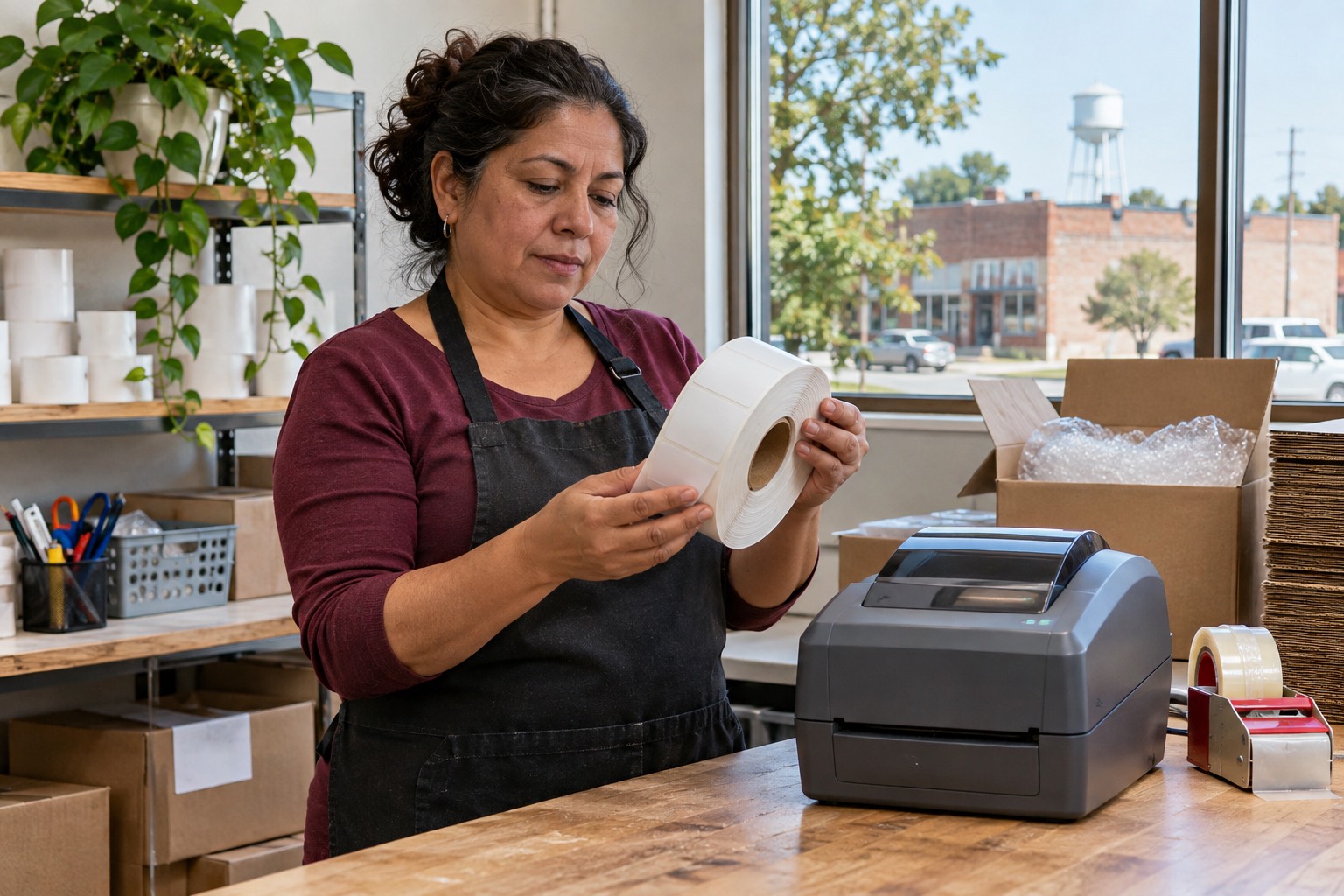
AI-generated editorial illustration. Not a photograph of an actual local business.
Navigating the Vineland business market
Keep the Vineland file measurable
Before you sell your business in Vineland, identify the dates on which your own trading changed. Use sales and cost records to explain the result after the relevant period has occurred.
Working capital is the cash, inventory, deposits, and receivables a normal week needs so the buyer can make payroll. On this file the normal week is a quiet midweek — not a festival Saturday or a single project spike. Use the sale-prep roadmap before marketing begins.
Providing local expertise
Nearby markets we also serve
Bridgeton, New Jersey
Underwrite on its own records.
Atlantic City, New Jersey
Underwrite on its own records.
Cape May, New Jersey
Underwrite on its own records.
Salem, New Jersey
Underwrite on its own records.
Toms River, New Jersey
Underwrite on its own records.
Spring Hill, Florida
National desk — where Bridge Point lists from.

Begin with a clear picture of your Vineland company
Contact Bridge Point Advisors to discuss the Vineland, New Jersey company you own, your departure objectives and the responsibilities another operator would assume. Comparable financial results and examples of accepted orders provide a useful starting point. Identify valuation evidence, preparation priorities, controlled disclosure and practical handover needs around the actual business. The next step should reflect your intended timing and involve suitable professional advisers where specialist review is required. Call (352) 515-0226 or contact us.
Or call (352) 515-0226
Questions from local owners
Frequently asked questions
About selling a business in Vineland, New Jersey
Are The Ave and Main Street Vineland separate customer markets?
The downtown explanation connects the district organization, Main Street approach and The Ave brand. [1] Your company needs its own transaction history before assigning revenue to any channel. Several public names do not establish separate customers or prove that every corridor business experiences the same trade and benefits from promotion.
Does a medical-center reference establish an institutional order?
Inspira identifies its Vineland medical center on West Sherman Avenue. [2] Your accepted order establishes the actual purchaser. An employee's private gift purchase differs from authorized organizational work. Retain scope and payment evidence before a familiar healthcare name becomes a claim of recurring institutional income.
Does an event date establish a theater account?
The Chamber identifies the Landis Theater on East Landis Avenue. [3] A customer's private occasion differs from an order authorized by a venue or organizer. A buyer needs actual purchaser, accepted scope and fulfillment evidence before treating a cultural reference or collection date as an ongoing commercial relationship.
What belongs with a basket awaiting handle approval?
Retain ownership, condition, proposed response, payment and the next action. Identify material reserved and the customer's answer still needed. A successor needs the current commitment before proceeding or using resources elsewhere. Possession in the shop does not make the item company stock or establish acceptance of further adjustment work.
How do buyers think about value for a Vineland, New Jersey company?
Owner-operated shops often price around two to three and a half times seller's discretionary earnings after a real manager wage. With a lead already holding a quiet midweek, a directional band is often two and a half to four and a half times those earnings. Managed companies often price on adjusted EBITDA, commonly about three to six times near a ten million dollar price. Those ranges are directional, not a quote.
Who helps sell a business in Vineland, New Jersey?
Bridge Point Advisors. Start with a valuation or contact — call (352) 515-0226. The firm works nationally and does not claim a street office in Vineland.

Ready to discuss selling your business in Vineland?
Start with your goals, your recent results, and the company you are ready to transfer. Bridge Point Advisors — call (352) 515-0226. No street address is claimed for Bridge Point in Vineland. Or contact us online.
Or call (352) 515-0226
Local research and sources
[1] Vineland Downtown Improvement District, connected district, Main Street and The Ave roles and corridor, reviewed November 4, 2026 Source
[2] Inspira Health, Medical Center Vineland location, reviewed November 4, 2026 Source
[3] Greater Vineland Chamber of Commerce, Landis Theater directory address, reviewed November 4, 2026 Source