

Home / Locations / Freehold, New Jersey
Your business. Your next chapter.
Business Broker in
Freehold, New Jersey
Present a business that another owner can understand and operate
A Freehold business sale begins with the company's own results, obligations and working relationships. Downtown activity and county institutions describe the setting; private records explain what the seller earns and what a purchaser would take over. A business broker in Freehold can help organize that account around the owner's intended departure. Bridge Point Advisors welcomes a discussion of the business you own, the work you still perform and the evidence available for review. Start with comparable financial periods and representative customer orders. A clear explanation of ordinary work is especially useful when the seller handles exceptions, promises delivery dates or personally decides which requests the company can fulfill. Bridge Point Advisors can help organize those facts around your selling goals — without inventing a Freehold street office.
Or call (352) 515-0226
Monmouth County seat — Freehold Borough and Township commercial corridor
Bridge Point Advisors for Freehold owners — without a claimed local street office
Bridge Point Advisors helps Freehold and surrounding owners present their companies clearly — without treating a civic caption, undated directory listing, or leftover peer-metro multiple as twelve months of private earnings. Call (352) 515-0226. Soften sale talk — no Proven Track Record slogans or Key Market Stats widgets. We work nationally from Spring Hill.
Bridge Point Advisors
Freehold, NJ and surrounding areas. We work nationally from Spring Hill and do not list a fake Freehold street office or unverifiable local hours.
A different sale story for every company
Key industries in Freehold
What owners should prepare before taking a business to market — qualitative preparation, not hard deal tallies.
Downtown retail and specialist counter sales
The district management description supports a downtown commercial setting. [1] A relevant retailer should document its own product categories, purchasing commitments and customer channels. Buyers need evidence of ordinary stock movement and operating costs. Membership or location within a promoted area does not establish private sales, repeat purchases or the suitability of another outlet. See retail.
Stationery, presentation and small production services
The illustrative shop provides an example of a service operating within a commercial setting. [1] Explain the difference between selling materials and assembling a finished order. A purchaser needs approved specifications, staff capabilities and equipment condition. Extra requests may create setup work and revisions before they produce a completed item that can be collected and paid for. See retail.
Cultural destinations and related private purchases
The Historical Association's main museum provides a verified cultural reference. [2] A seller should distinguish individual visitor purchases from work actually authorized by an institution. Buyers need order and payment evidence. Interest in local history cannot establish private account value, the provenance of goods or a continuing arrangement to supply a cultural organization. See retail.
County offices and organizational support
The county identifies its Hall of Records destination. [3] A relevant business should explain the actual purchasing relationship behind any office-related work. Delivery to an address and authorization to place an order are separate matters. Buyers need accurate contacts and accepted scope before treating a public-sector reference as a continuing customer relationship. See retail.
Everyday business and household services
The commercial, cultural and civic references [1][2][3] provide context without defining every company's customer mix. A seller serving households and businesses should show its own transaction history, staffing and premises requirements. Another owner needs evidence of the existing offer before assessing longer hours, additional materials or a different service model. See retail.
Valuation & exit prep
Soften valuation talk to supported earnings after a real manager wage — not a civic caption or leftover peer-metro multiple as twelve months of private profit. See business valuations and the sale-prep roadmap.

AI-generated editorial illustration. Not a photograph of an actual local business.
The market behind your business
Locate the company's trade within Freehold's commercial and civic setting
Downtown Freehold describes the Freehold Center Management Corporation as the nonprofit assigned to manage the municipality's Special Improvement District. Its stated purposes include economic development, revitalization and preservation. [1] That establishes an organized downtown context. A seller should still identify its own premises and actual customer channels rather than treating district promotion as proof of private demand or assuming every nearby enterprise benefits equally.
The Monmouth County Historical Association identifies its main museum at 70 Court Street in Freehold. [2] That is a specific cultural destination. For a nearby retailer or service company, the relevant commercial evidence remains completed transactions. Someone visiting the museum might make an individual purchase, while an organization placing an order involves a separate customer and authorization. Proximity alone cannot establish either relationship.
Monmouth County's public contact information places the Hall of Records at One East Main Street. [3] County offices provide a civic reference point, but their presence does not establish a seller's institutional accounts. A business serving an employee privately has a different relationship from a company fulfilling an approved county purchase. Retain the actual customer identity and accepted instructions.
To sell a business in Freehold, describe the company's particular offer within that setting. Consider an illustrative independent stationery and presentation shop. A customer bringing a blue binder for a replacement ring mechanism differs from a business ordering a set of assembled presentation books. The seller needs to explain what has been accepted, who provides the contents and which materials have already been committed. Those distinctions support a practical account of the company being offered. Soften sale talk — no fake Proven Track Record slogans or an unverifiable Freehold street office for Bridge Point Advisors. Compare with Toms River, New Brunswick, Trenton, Princeton, Atlantic City only on each company's own files.
The ownership transition
Transfer the decisions that turn customer instructions into finished work
Soft process steps aligned with Bridge Point Advisors practice — not invented close counts or a claimed Freehold desk.
Understand the business
Use a live order to examine transition readiness. Ask a successor to find the latest approved quantity, material and contents, then identify the production step still required. Compare that account with the physical work and payment position. If the answer depends on the owner recalling a separate conversation, improve the record before assuming the process can continue smoothly after departure.
Prepare the presentation
Demonstrate a revision rather than only an uncomplicated order. Show how the shop recognizes a changed instruction, checks work already completed and agrees the remaining response. Explain who can authorize routine decisions and which matters need further customer approval or outside advice. Another operator needs to understand when to pause as well as how to continue familiar work within the company's existing offer.
Plan the transition
Define seller assistance around those actual dependencies. Order orientation, supplier introductions and explanation of finishing choices may need separate sessions. Agree the subjects, availability and duration, including responsibility for everyday decisions during the support period. Appropriate advisers can address unresolved specialist matters. A concrete transition arrangement helps the buyer allocate responsibilities and gives the owner a clearer departure plan consistent with the proposed sale.
Due diligence
Due diligence — test lease, licenses, customer concentration, and quiet midweeks against local evidence — not a peer metro leftover.
Closing and transition
Closing and transition — hand over routines, contacts, unfinished work, and a clear endpoint so the buyer can run the next week without the founder.
Use the sale-prep roadmap and due diligence guides. M&A advisory fits when the company and buyer require that level of engagement.
Local context. Practical implications.
Connect customer channels to the work behind each receipt
The district organization's downtown role [1] gives a reason to examine how customers actually reach a company. Separate counter purchases, collection of prepared orders and work arranged through business contacts. Show the company's experience in each channel before claiming that wider promotion produces dependable revenue. An inquiry and an approved order carry different operational responsibilities.
The Court Street museum [2] can prompt questions about cultural visitors and organizational work. A shop might sell an individual a notebook without having any supply arrangement with the institution they visited. Where a seller does have organizational customers, identify the approved purchaser and relevant order. A recognizable destination should not become an unsupported claim of recurring institutional trade.
The Hall of Records address [3] also makes destination accuracy useful. A courier collection, an employee's personal purchase and an authorized departmental order should remain distinguishable in the records. The buyer needs the actual relationship and delivery instruction. A familiar public building cannot substitute for evidence of who buys, pays and accepts the work.
For the illustrative presentation shop, follow one order from material selection to collection. A specified cover, paper size and binding method can affect both purchasing and production time. Show where the final customer approval is retained and how later revisions affect work already prepared. Another owner should be able to determine the current promise from the company's records without relying on the seller's memory of a conversation at the counter.

AI-generated editorial illustration. Not a photograph of an actual local business.
Local market perspective
Test expansion ideas against approvals, setup time and usable capacity
For business brokerage in Freehold, describe opportunities through the work a purchaser can verify. The illustrative shop might consider larger presentation orders, additional cover materials or collection arrangements. Explain which are existing services and which remain proposals. A new product requires evidence of resources and customer acceptance before it belongs in the account of established earnings.
Compare representative completed orders. Two jobs with similar receipts may require different preparation, customer discussion and finishing time. Trace material use and outside services, and explain the extent of the owner's involvement. Where the company has not allocated labor by order, state that limitation. Buyers can then evaluate the available evidence without mistaking total sales for the contribution of a particular service.
Review revisions and incomplete orders. A book awaiting approval of its contents differs from one ready for collection. A batch of cut covers may be reserved for an accepted order rather than freely available stock. Show how the company records a changed quantity, revised specification or customer decision to pause. Another operator needs the current position before purchasing further material or promising a completion date.
A clearer story for a prospective buyer
Freehold, NJ and surrounding areas
Providing local expertise
Nearby markets we also serve
Toms River, New Jersey
Underwrite on its own records.
New Brunswick, New Jersey
Underwrite on its own records.
Trenton, New Jersey
Underwrite on its own records.
Princeton, New Jersey
Underwrite on its own records.
Atlantic City, New Jersey
Underwrite on its own records.
Spring Hill, Florida
National desk — where Bridge Point lists from.
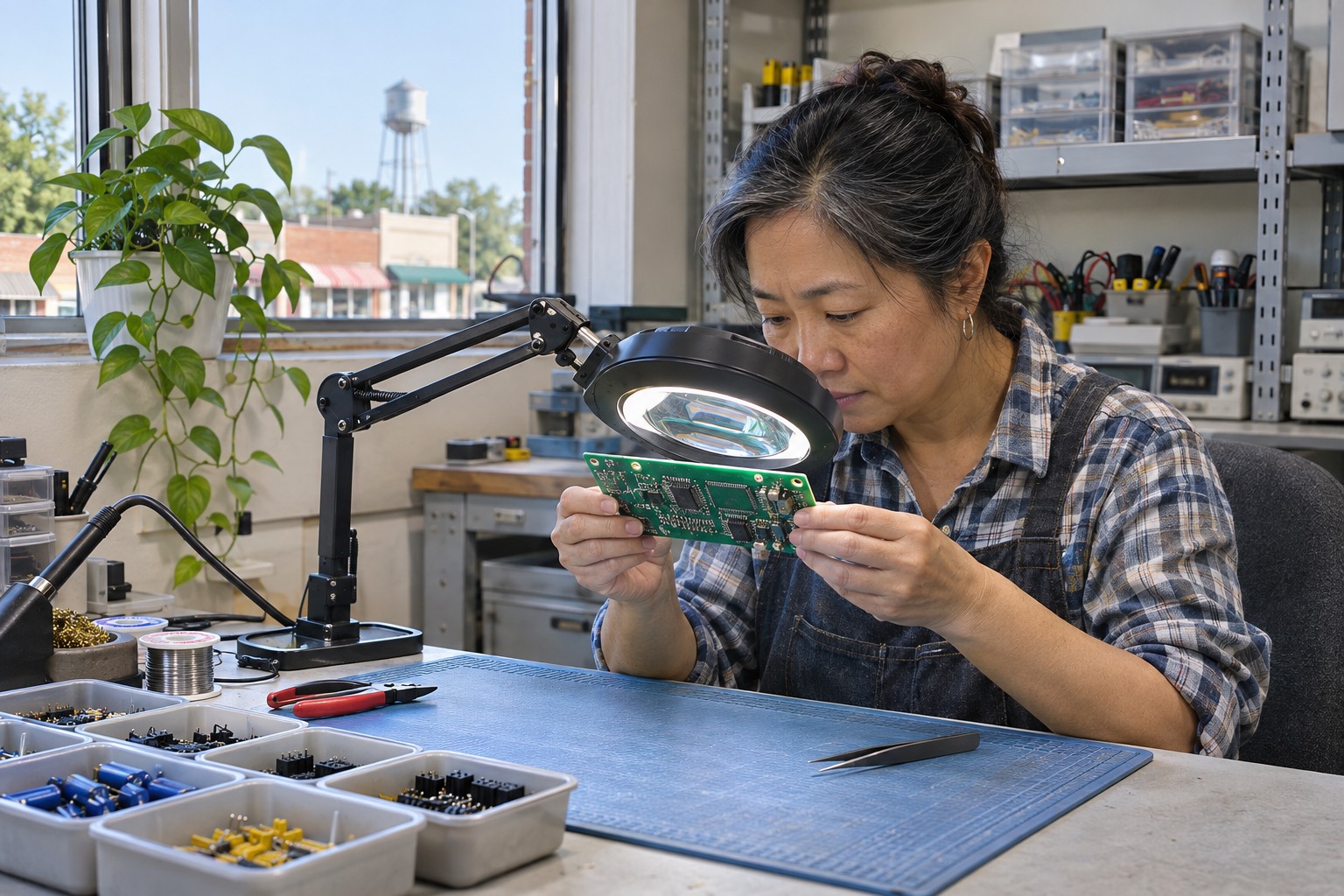
Begin with a clear picture of your Freehold company
Contact Bridge Point Advisors to discuss the Freehold, New Jersey company you own, your intended timing and the work another operator would assume. Comparable financial results and representative accepted orders provide a useful starting point. Identify preparation priorities, valuation evidence, controlled disclosure and the decisions a successor needs to understand. The next step should reflect your departure objectives and involve suitable professional advisers where specialist review is required. Call (352) 515-0226 or contact us.
Or call (352) 515-0226
Questions from local owners
Frequently asked questions
About selling a business in Freehold, New Jersey
Does district promotion establish the shop's sales?
Downtown Freehold describes its district management and development role. [1] Private sales require the company's own transaction evidence. Separate customer channels and show the work behind receipts. A shared commercial setting does not establish repeat orders or prove that every business receives the same benefit from promotion.
Does a museum reference mean an institutional account?
The Historical Association identifies its main museum on Court Street. [2] A private visitor purchase differs from an authorized institutional order. Retain the actual purchaser, approved scope and payment record before presenting cultural proximity as a commercial relationship. A buyer needs evidence from the company being offered.
What distinguishes employee purchases from county work?
The county's contact information identifies the Hall of Records address. [3] It does not identify your customer or establish purchasing authority. Keep the accepted order and actual commercial relationship together. A destination on a receipt should not become a claim that the company supplies an entire institution.
What should accompany an unfinished presentation order?
Retain the current approved contents, quantity, material, payment and next step. Identify reserved stock and revisions still awaiting an answer. A successor needs to understand what has been promised before producing more work, accepting a change or treating materials already committed to that order as freely available for another customer.
How do buyers think about value for a Freehold, New Jersey company?
Owner-operated shops often price around two to three and a half times seller's discretionary earnings after a real manager wage. With a lead already holding a quiet midweek, a directional band is often two and a half to four and a half times those earnings. Managed companies often price on adjusted EBITDA, commonly about three to six times near a ten million dollar price. Those ranges are directional, not a quote.
Who helps sell a business in Freehold, New Jersey?
Bridge Point Advisors. Start with a valuation or contact — call (352) 515-0226. The firm works nationally and does not claim a street office in Freehold.

Ready to discuss selling your business in Freehold?
Start with your goals, your recent results, and the company you are ready to transfer. Bridge Point Advisors — call (352) 515-0226. No street address is claimed for Bridge Point in Freehold. Or contact us online.
Or call (352) 515-0226
Local research and sources
[1] Downtown Freehold, district management organization and stated purposes, reviewed November 4, 2026 Source
[2] Monmouth County Historical Association, main museum location, reviewed November 4, 2026 Source
[3] Monmouth County, Hall of Records contact address, reviewed November 4, 2026 Source