

Home / Locations / Redding, California
Your business. Your next chapter.
Business Broker in
Redding, California
Show the operating costs behind your company's capability
A business broker in Redding should help you explain how your company turns its premises, equipment and workforce into supported earnings. A purchaser needs to understand both what the operation can deliver and what it costs to keep that capability available. Bridge Point Advisors can help organize a sale discussion around your actual results, continuing responsibilities and goals for the transition. Begin with the work your business performs today. Clear financial and operating records make it easier to show the strengths you have built and the resources a successor would need to continue using them effectively under new ownership.
Or call (352) 515-0226
Shasta County — I-5 / north-state commercial hub
Bridge Point Advisors for Redding owners
Bridge Point Advisors helps Redding and Shasta County owners present manufacturing and fabrication, food and cold-storage operations, contractors and equipment services, restaurants and local customer businesses, and professional or health-support firms clearly — including Anderson, Shasta Lake, Enterprise, or Cottonwood when the invoices already name those desks — without treating a Stillwater grant headline, an Amazon facility caption, or a Chico campus multiple as a substitute for the company's own files. Call (352) 515-0226. No street address is claimed for Bridge Point in Redding.
Bridge Point Advisors
Redding, CA and surrounding areas. We work nationally from Spring Hill and do not list a fake Redding street office or unverifiable local hours.
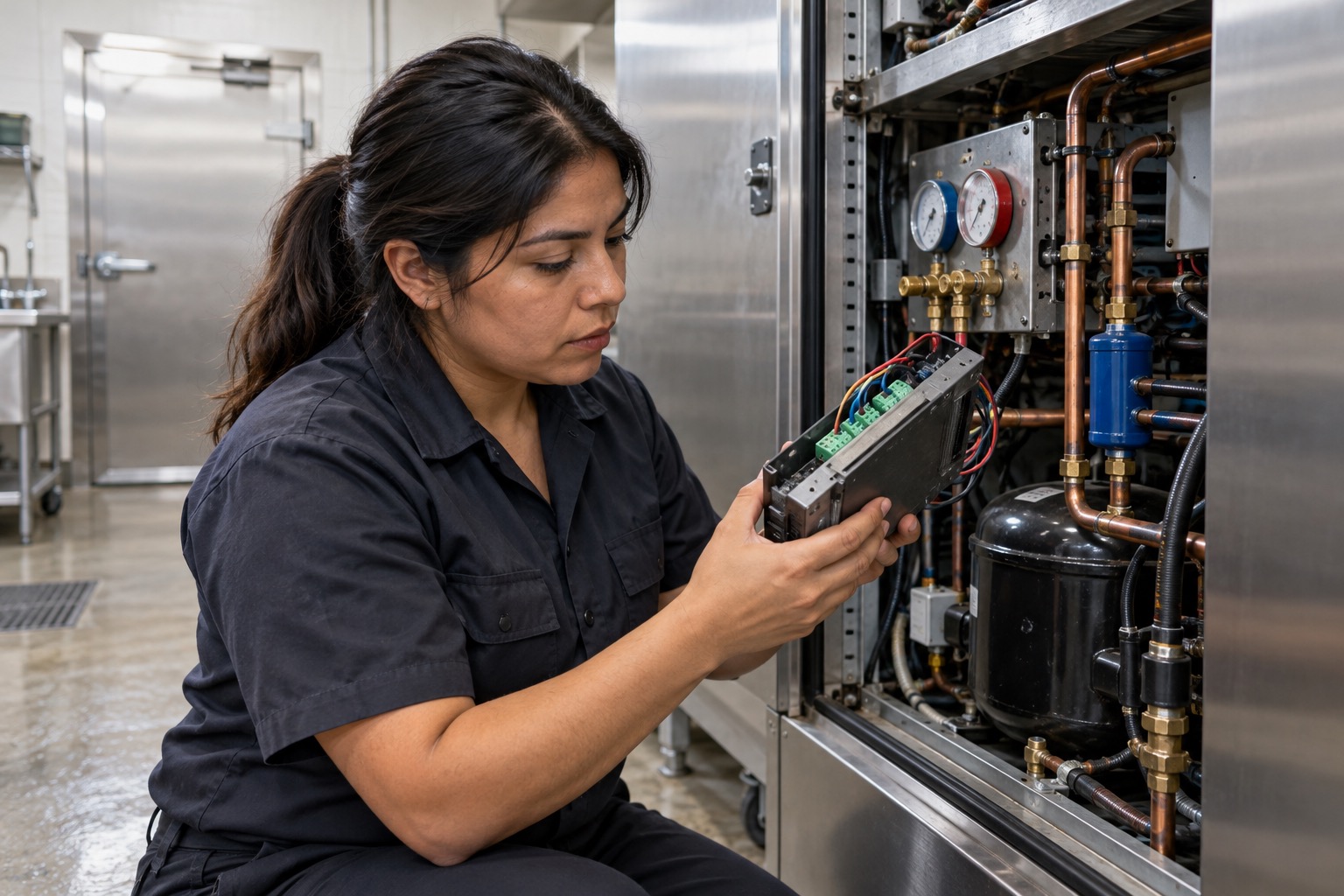
AI-generated editorial illustration. Not a photograph of an actual local business.
The market behind your business
Redding's business mix extends across several operating models
The Redding Chamber directory includes manufacturing, beverage distribution, contractors, glass services, restaurants, professional support and healthcare-related businesses.[1] It also includes members beyond the city, so the directory is a regional business network rather than a city-only census. These categories show why a sale presentation needs to reflect the particular operation, not an assumed single pattern for every Redding company.
If you intend to sell your business in Redding, explain where the company earns its revenue and how delivery takes place. A workshop may serve commercial accounts, a restaurant may receive ordinary customer trade and a property-service firm can travel across a wider territory. Show the actual customer mix and the records that support it. Identify premises used for production, storage, service or administration.
Then connect those activities with operating resources. Equipment, refrigeration, cooling, lighting and business systems may each have a different role. Explain what remains active when customer-facing work has stopped and what changes as activity increases. Soften sale talk to staged disclosure — not fake "Redding Business Statistics," invented sold deals, or an unverifiable Redding street office for Bridge Point. Compare with Red Bluff, Chico, Yreka, and Weaverville only on each company's own files.
Before you go to market
Prepare an activity-and-overhead explanation
Before you sell your business in Redding, collect the records that show how operating costs relate to the work performed. Include meaningful utility bills, maintenance information, equipment records and activity reports over comparable periods. Identify costs that remain when activity slows and costs that change with work. Separate an observed saving from an estimate the seller has not yet achieved. Prepare that picture before marketing begins. Keep sensitive information controlled through the disclosure process.
Local context. Practical implications.
Utility records help explain the cost of being ready
Redding's utility information identifies REU as the community-owned electric utility and separates commercial billing categories, including energy and demand components for relevant services.[2] The public page provides reference information, while a seller's actual bills and service arrangement establish the costs incurred by its own business. Exact posted examples should be checked against current account information before they are used in a transaction analysis.
Prepare a practical explanation of usage. A food business may run refrigeration outside serving hours. A workshop can use equipment intermittently while maintaining lighting, controls or ventilation. A service company may have a smaller premises load but carry more vehicle and travel costs. Identify the resources relevant to your operation and show their actual financial treatment.
Review meaningful changes over time. A higher bill could reflect more work, changed operating hours, equipment condition, a billing change or several factors together. Match the period with available usage records, production information and maintenance history. A purchaser should understand the evidence supporting the explanation — not a single expense total without context about how the business actually uses its premises and equipment.
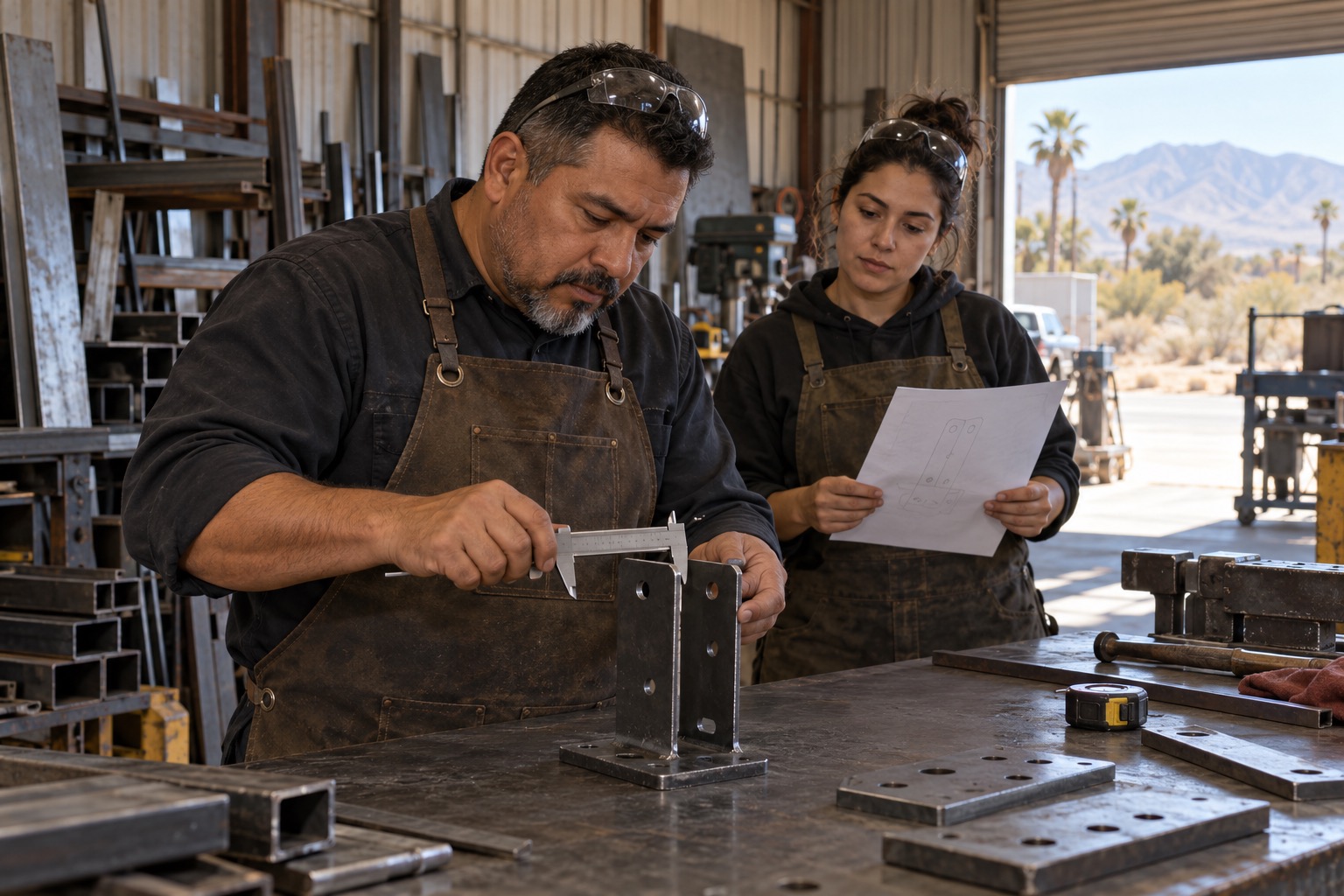
AI-generated editorial illustration. Not a photograph of an actual local business.
A different sale story for every company
Key industries in Redding
What owners should prepare before taking a business to market — qualitative preparation, not hard deal tallies or invented close counts.
Manufacturing and fabrication
A production company should show the jobs its team performs and the equipment used at each stage. Identify operating hours, maintenance and the people able to supervise critical work. Explain any outside processing and the records used for quality review. Where utility usage is meaningful, relate it to the workflow with supported evidence. See manufacturing and machine shops.
Food, beverage and cold-storage operations
Identify the equipment needed for preparation, holding, storage and service. Explain what runs continuously and how maintenance is organized. Show product contribution alongside direct inputs, staff time and relevant operating costs. If the operation holds goods for others, record ownership separately from company stock. See food manufacturing and warehousing.
Contractors and equipment services
Show territory, service range and the way work moves from inquiry to completion. Identify shop equipment, vehicles, tools and outside providers. Distinguish premises costs from travel and field-delivery costs. If the owner provides estimating or technical judgment, identify the continuing role required. See construction, HVAC, and auto repair.
Restaurants and local customer businesses
Explain service periods, staffing and premises use. Show the difference between preparation, customer service and closing work. Identify direct product costs and meaningful overhead, with financial records supporting the analysis. Review premises and permission arrangements with advisers. See restaurants and retail.
Professional and health-support services
Describe the exact service, people and systems supporting delivery. Identify appointments or accounts, premises needs and customer expectations. Show how work is assigned, reviewed and followed up. Explain the owner role and the cost of maintaining business systems or specialized equipment. See medical practices and consulting.
Valuation & exit prep
Soften valuation talk to supported earnings and a realistic continuing cost base — not a Stillwater grant caption or a Chico leftover multiple. See business valuations and exit planning.
The ownership transition
Hand over the routines that keep capability available
Soft process steps — transfer operating knowledge behind equipment and premises use; no invented close counts.
Understand the business
Discuss how the sale process will preserve the operating knowledge behind equipment and premises use. A purchaser needs to know more than which assets are included — how staff prepare them, recognize a problem and arrange the work needed to keep delivery going.
Prepare the presentation
Create demonstrations around the company's main activities. Show startup, ordinary operation and shutdown where relevant, along with the records employees use. Identify the person responsible for maintenance and the outside provider contacted when support is needed.
Plan the transition
Define transition assistance through specific activities — equipment demonstrations, provider introductions and a scheduled review of an early operating cycle. Agree the time, scope and limits in the transaction arrangements so the buyer gains usable knowledge.
Use the sale-prep roadmap and due diligence guides. M&A advisory fits when the company and buyer require that level of engagement.
Local market perspective
Industrial investment has specific stages and boundaries
The city's September 9, 2026 announcement reported a $7.9 million EDA grant for an extension of Venture Parkway within Stillwater Business Park. It stated that Amazon's last-mile distribution center had been added in June 2026, while the newly funded road project was expected to proceed toward construction by summer 2027, subject to change.[3] An existing facility and a future infrastructure project are different milestones.
For business brokerage in Redding, explain whether wider industrial activity has any demonstrated relationship with your company. A supplier may serve industrial accounts, a contractor may have accepted work or a local retailer may have no direct commercial connection. Show actual orders and account arrangements. General development activity does not establish a contract or revenue for the seller.
Before you sell your business in Redding, Bridge Point Advisors also serves Red Bluff, Chico, Yreka, and Weaverville — each underwritten on its own records, without a claimed Redding street office. Anderson, Shasta Lake, Enterprise, and Cottonwood fold into this Shasta labor conversation when the book already invoices them.
A clearer story for a prospective buyer
Redding, CA and surrounding areas
Providing local expertise
Nearby markets we also serve
Red Bluff, California
Tehama County desk — not a Shasta leftover multiple.
Chico, California
Highway 99 campus and orchard mix — different north-state file.
Yreka, California
Siskiyou County seat — separate I-5 underwriting.
Weaverville, California
Trinity County seat — Highway 299 canyon weekday, not this rent.
Begin with the resources behind your results
Bring recent accounts, key operating bills and notes on the equipment and decisions most important to your business. Explain meaningful changes and identify the records available to support them. Contact Bridge Point Advisors to discuss selling your business in Redding, California — call (352) 515-0226 or contact us.
Or call (352) 515-0226
Questions from local owners
Frequently asked questions
About selling a business in Redding, California
Should I include utility usage in the sale file?
Include records meaningful to the operation and explain their relationship with activity and equipment. Actual account information helps a purchaser understand costs and identify questions needing confirmation with the provider or advisers.
Can a proposed rate change be treated as an actual cost?
Separate a proposal or scenario from the bills incurred and the arrangement currently applicable. Confirm the relevant information before using it in an analysis, and label future assumptions clearly for buyer review.
Does new industrial development increase my value?
Use verified local milestones as context. Support the company's own earnings and opportunities with actual customers, orders and capability. Future infrastructure and nearby facilities do not establish private seller contracts or guaranteed demand.
What should I demonstrate about equipment?
Show the workflow, condition, maintenance routines and people supporting use. Identify known needs and continuing costs. Agree a defined transition plan so the buyer understands how the capability is maintained in practice.
Does I-5 make a Redding business the same as Chico or Red Bluff?
No. Chico is a Highway 99 campus and orchard mix in Butte County. Red Bluff is a Tehama County desk. Redding is Shasta County with its own utility, industrial, and customer records. Interstate minutes do not move another city's multiple onto this rent.
When do Yreka or Weaverville belong in a Redding sale?
Include them only when the invoices already name them. Yreka is the Siskiyou County seat farther north on I-5. Weaverville is the Trinity County seat on Highway 299. They can share labor conversations and still keep their own rent — they are not a Redding receipt by default.
What should I bring to a first conversation about selling in Redding?
Bring recent accounts, key operating bills, notes on equipment and owner decisions, open commitments, and duties you still perform personally. Bridge Point Advisors does not claim a Redding street office; start with a valuation or contact at (352) 515-0226.

Ready to discuss selling your business in Redding?
Start with your goals, your recent results, and the company you are ready to transfer. Bridge Point Advisors — call (352) 515-0226. No street address is claimed for Bridge Point in Redding. Or contact us online.
Or call (352) 515-0226
Local research and sources
[1] Redding Chamber of Commerce, Member Directory, accessed October 23, 2026. Source
[2] City of Redding, Utility Rates and Fees, accessed October 23, 2026. Source
[3] City of Redding, Stillwater Business Park infrastructure grant announcement, September 9, 2026. Source
[4] City of Redding, Proposed Electric Utility Rate Changes, accessed October 23, 2026. Source