
Home / Locations / New Orleans, Louisiana
Your business. Your next chapter.
Business Broker in
New Orleans, Louisiana
Sell the business behind the New Orleans name
New Orleans can make a company memorable long before a buyer opens its financial statements. A restaurant, neighborhood service firm, creative workshop or logistics supplier may carry years of relationships and a reputation that cannot be recreated simply by renting nearby space. A business broker in New Orleans should help an owner translate those strengths into a clear, supportable sale presentation. Bridge Point Advisors can help organize those facts around your selling goals — without inventing a New Orleans street office.
Or call (352) 515-0226
Orleans Parish — Crescent City / Mississippi River port / tourism & trade
Bridge Point Advisors for New Orleans owners — without a claimed local street office
Bridge Point Advisors helps New Orleans and surrounding owners present their companies clearly — without treating a civic caption, undated directory listing, or leftover peer-metro multiple as twelve months of private earnings. Call (352) 515-0226. Soften sale talk — no Proven Track Record slogans or Key Market Stats widgets. We work nationally from Spring Hill.
Bridge Point Advisors
New Orleans, LA and surrounding areas. We work nationally from Spring Hill and do not list a fake New Orleans street office or unverifiable local hours.

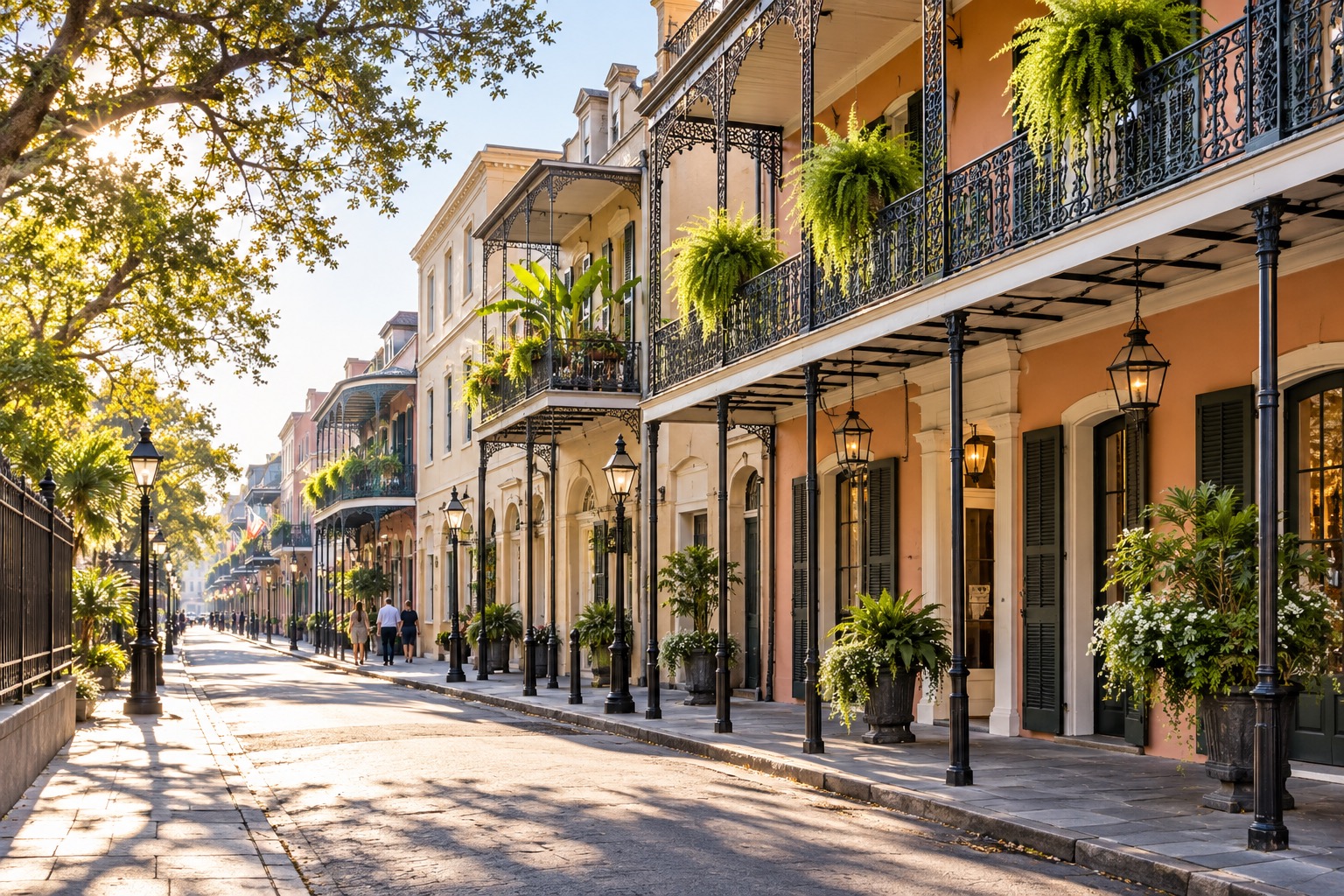
AI-generated editorial illustration. Not a photograph of an actual local business.
The market behind your business
Tourism is substantial, but every business has its own audience
New Orleans & Company reported in May 2026 that the city received 19.46 million visitors during 2025, with estimated visitor spending of $10.8 billion. These are destination-level study results for a completed year, not a forecast of one company's revenue or a count of customers available to every neighborhood. The organization also identifies Super Bowl LIX among the major events of 2025. [1]
For a seller, that exceptional-event context matters. A business may have earned unusually strong receipts around a major sporting event, while another saw little direct benefit. Explain your own trading pattern using comparable periods and the costs of serving them. A crowded city does not necessarily mean every company had a more profitable year, and a quieter month may still contain dependable repeat work.
The French Quarter, Central Business District and neighborhood commercial streets support different customer routines. A visitor-led restaurant, an office-serving print shop and a household repair service should not be presented through the same market description. Define your customer catchment and explain the role of walk-in trade, reservations, referrals, online channels and established accounts.
When you sell a business in New Orleans, the strongest local story often sits in those distinctions. A long-standing neighborhood following may be more important than citywide visitor totals. A specialist supplier may serve customers far beyond Orleans Parish. Buyers need a precise explanation of the company's audience, together with evidence that the relationships can continue after the owner steps away. Soften sale talk — no fake Proven Track Record slogans or an unverifiable New Orleans street office for Bridge Point Advisors. Compare with Baton Rouge, Lafayette, Houma, Hammond only on each company's own files.
Navigating the New Orleans business market
Keep the New Orleans file measurable
For a New Orleans seller, identify the dates on which your own trading changed. Use sales and cost records to explain the result after the relevant period has occurred.
Working capital is the cash, inventory, deposits, and receivables a normal week needs so the buyer can make payroll. On this file the normal week is a quiet midweek — not a festival Saturday or a single project spike. Use the sale-prep roadmap before marketing begins.
Local context. Practical implications.
Downtown activity and a working logistics economy
The Downtown Development District's 2026 State of Downtown summary reported 39.6 million visits to Downtown during 2025 and a two percent increase in local visitation from within ten miles. It also reported year-over-year growth in downtown residential population. These measures concern the district and its activity; visits are not the same as unique tourists, and downtown population change should not be presented as a citywide rate. [2]
A business serving downtown can use its own daily pattern to explain how residents, workers and visitors interact. Separate weekday lunch orders from evening trade, or scheduled commercial service from walk-in demand. If the company has adjusted hours or staffing, show whether the change improved earnings. Broad district activity is useful context, but the seller's records establish how the business participates in it.
New Orleans also has an operating freight and industrial economy. Port NOLA announced in June 2026 that Freedom Intermodal opened a bulk liquid packaging facility in New Orleans East, adjacent to its existing France Road Parkway operations. [3] This is a specific operating expansion, with a different customer base and geography from downtown hospitality.
For a logistics or industrial-service seller, demonstrate the company's role in that wider network. Identify actual services performed, the party placing orders, response requirements and the assets needed to deliver. Regional connectivity may support the market, but it does not establish a contract or guarantee volumes. Buyers should be able to distinguish the company's proven work from the larger transportation economy around it.

AI-generated editorial illustration. Not a photograph of an actual local business.
A different sale story for every company
Key industries in New Orleans
What owners should prepare before taking a business to market — qualitative preparation, not hard deal tallies.
Restaurants, catering and specialty food
A New Orleans food business should explain its menu economics and customer occasions separately. Daily dining, group events, takeout and wholesale products can have different staffing needs and margins. Show how recipes, purchasing and quality checks function without the owner supervising every step. If a chef's reputation is central to demand, address the transition directly. A buyer needs to understand what carries the identity of the business: its team, location, product, brand or the continuing involvement of a particular person. See restaurant.
Hospitality and event-support companies
Guest services, event production, linen supply and other hospitality support firms should distinguish recurring accounts from individually booked work. Present the calendar with deposits, cancellation terms and the resources already committed. A future booking is not automatically earned revenue. Explain equipment transport, setup, storage and return handling, especially where several events overlap. A company's ability to deliver reliably during demanding periods can be valuable, but buyers need the cost and staffing record behind that reputation. See medical practice.
Creative businesses and specialist retail
Music-related services, galleries, design shops and specialist retailers may depend on skills that are difficult to replace. Record the work process and identify which staff members can perform it. Clarify ownership of designs, customer materials, consigned goods and digital assets. A recognizable local style does not make every item saleable inventory. Buyers will want to know how products are sourced or made, which customers return and whether the operation can preserve its identity under different ownership. See retail.
Freight, marine and industrial services
Companies serving transportation or industrial customers should organize results by service line and account rather than relying on a general port-growth narrative. Review maintenance history, equipment utilization and the time between completing work and receiving payment. Identify subcontracted tasks and customer approval requirements. If the business operates across parish boundaries, map the actual service territory. Travel, staging and access arrangements can be central to profitability even when they are easy to overlook in a short sales summary. See manufacturing.
Neighborhood and professional services
Businesses serving residents and local employers often earn value through repeated, convenient service. Show appointment retention, service intervals or recurring account history where the records support it. Explain how work is scheduled and how customer requests are handled when the owner is absent. A neighborhood reputation can support continuity, but buyers still need to evaluate staffing, premises and the cost of replacing the owner's labor. Avoid treating every local service firm as dependent on tourism simply because it is based in New Orleans. See accounting firm.
Valuation & exit prep
Soften valuation talk to supported earnings after a real manager wage — not a civic caption or leftover peer-metro multiple as twelve months of private profit. See business valuations and the sale-prep roadmap.
The ownership transition
Make the ownership transition fit the New Orleans operation
Soft process steps aligned with Bridge Point Advisors practice — not invented close counts or a claimed New Orleans desk.
Understand the business
The handover should concentrate on the routines that make the business dependable. An event supplier may need to transfer its booking calendar and explain venue logistics. A restaurant may need a production and purchasing handover. A repair shop may require customer introductions and technical training. Set out the work rather than relying on a vague promise of seller assistance.
Prepare the presentation
Review open obligations before closing. Reservations, deposits, gift balances, customer property and incomplete jobs can all require action after ownership changes. Agree on responsibility, access to necessary records and how exceptions will be resolved. Define the seller's availability and the endpoint of the transition so the next chapter has a workable beginning for both parties.
Plan the transition
Confidential marketing — stage outreach so a distinctive door or concentrated account is not named on day one. Share detail through an [NDA](/nda).
Due diligence
Due diligence — test lease, licenses, customer concentration, and quiet midweeks against local evidence — not a peer metro leftover.
Closing and transition
Closing and transition — hand over routines, contacts, unfinished work, and a clear endpoint so the buyer can run the next week without the founder.
Use the sale-prep roadmap and due diligence guides. M&A advisory fits when the company and buyer require that level of engagement.
Local market perspective
Distinguish future projects from current earning capacity
Tulane announced a purchase and sale agreement in June 2026 as part of its planned redevelopment of the former Charity Hospital building. The announcement described Tulane moving toward an ownership and lead-developer role, with planned education, research and innovation uses and anticipated completion in 2029. That announcement concerns a redevelopment process, not a fully occupied new facility already producing its projected activity. [4]
A nearby seller should therefore separate existing business from potential future demand. Has the company received an order associated with the project, or does it simply expect more people nearby? Would serving that demand require new hours, equipment or staffing? Opportunity can belong in the sale discussion, but it should not be inserted into historical earnings as though it has already occurred.
Port NOLA's Louisiana International Terminal presents another distinction. The port announced federal authorization for construction in August 2026. The project is in Violet, St. Bernard Parish, rather than within New Orleans itself. Authorization and development are different from an operating terminal, and the location matters when assessing service routes or customer access. [5]
A clearer story for a prospective buyer
New Orleans, LA and surrounding areas
Providing local expertise
Nearby markets we also serve
Baton Rouge, Louisiana
Capitol leftover — wrong clerk.
Lafayette, Louisiana
Acadiana peer — underwrite separately.
Houma, Louisiana
Terrebonne spill — own Tuesday.
Hammond, Louisiana
Tangipahoa desk — different clerk.
Gulfport, Mississippi
Mississippi coast leftover — wrong license.
Mobile, Alabama
Alabama port leftover — not this Orleans file.
Spring Hill, Florida
National desk — where Bridge Point lists from.

Start with the business you have built
Business brokerage in New Orleans should reflect the company's actual neighborhood, customer mix and operating history. Begin with your objectives, your recent results and the parts of the operation that depend most heavily on you. Contact Bridge Point Advisors to discuss selling your business and the preparation needed to present it clearly. A focused conversation can identify the records and transition questions that deserve attention first. Call (352) 515-0226 or contact us.
Or call (352) 515-0226
Questions from local owners
Frequently asked questions
About selling a business in New Orleans, Louisiana
Should I base my asking price on the city's tourism growth?
Tourism research provides market context, not a valuation formula. Show whether your company benefited and what it cost to serve the additional demand. A local-service business may have little direct tourism exposure, while an event business may see substantial fluctuations. Buyers need a record of the company's earnings and operating requirements rather than a price derived from destination-wide spending.
How should I explain an unusually strong Super Bowl period?
Identify the sales associated with that period and the additional costs involved. Compare surrounding months and other relevant years where available. Explain any customers or accounts that continued afterward. An exceptional event can demonstrate operational capability, but the sale presentation should distinguish that capability from an assumption that the same event revenue recurs every year.
Can I include future downtown development in the sale story?
Yes, when its stage and relationship to the company are described accurately. Separate planned construction or occupancy from operating facilities and actual orders. Explain what the business would need to do to benefit. An opportunity is easier to evaluate when the buyer can see the required effort and investment rather than only a projected increase in nearby activity.
What if customers strongly associate the business with me?
Identify what customers rely on: your technical skill, personal attention, creative work or authority to resolve problems. Then assess which responsibilities can be shared or taught. Introductions, documented procedures and a defined transition may help, but the plan should be realistic about the role you play. Addressing that dependence early is more useful than leaving it for the buyer to discover.
How do buyers think about value for a New Orleans, Louisiana company?
Owner-operated shops often price around two to three and a half times seller's discretionary earnings after a real manager wage. With a lead already holding a quiet midweek, a directional band is often two and a half to four and a half times those earnings. Managed companies often price on adjusted EBITDA, commonly about three to six times near a ten million dollar price. Those ranges are directional, not a quote.
Who helps sell a business in New Orleans, Louisiana?
Bridge Point Advisors. Start with a valuation or contact — call (352) 515-0226. The firm works nationally and does not claim a street office in New Orleans.

Ready to discuss selling your business in New Orleans?
Start with your goals, your recent results, and the company you are ready to transfer. Bridge Point Advisors — call (352) 515-0226. No street address is claimed for Bridge Point in New Orleans. Or contact us online. We work from Spring Hill.
Or call (352) 515-0226
Local research and sources
[1] New Orleans & Company, 2025 visitation results released May 8, 2026 and updated June 3, 2026 Source
[2] Downtown Development District, 2026 State of Downtown summary, reviewed October 30, 2026 Source
[3] Port NOLA, Freedom Intermodal packaging facility opening, June 8, 2026 Source
[4] Tulane University, former Charity Hospital redevelopment agreement, June 23, 2026 Source
[5] Port NOLA, federal terminal construction permit, August 17, 2026, and official terminal location information, reviewed October 30, 2026 Source