
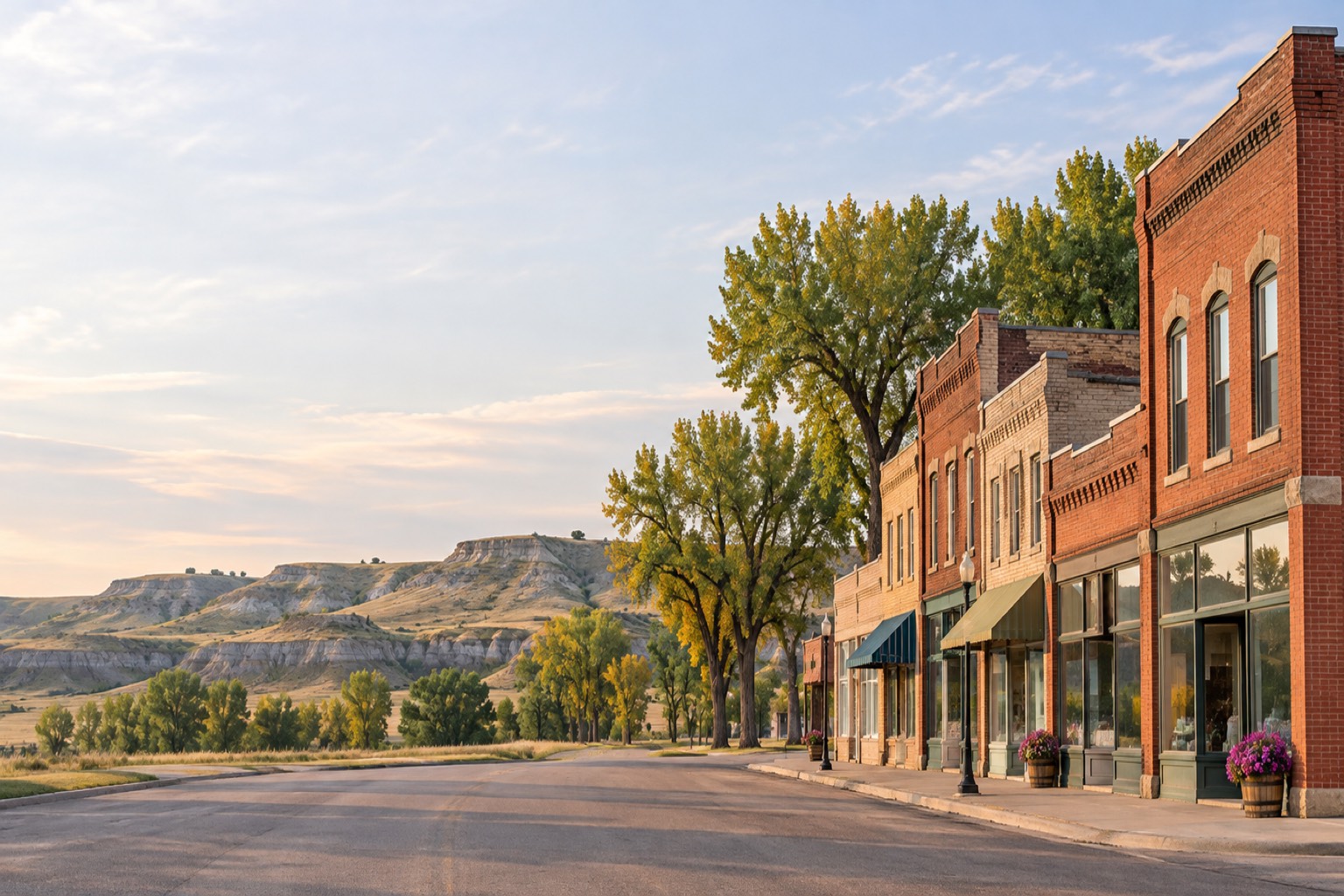
Home / Locations / Glendive, Montana
Your business. Your next chapter.
Business Broker in
Glendive, Montana
Present the working company behind its eastern Montana setting
A Glendive owner preparing for a sale needs a clear account of customers, skills and resources that can support the next chapter. A business broker in Glendive can help organize those matters alongside financial results and the seller's plans. Bridge Point Advisors invites an initial discussion about how the company operates, what depends on the owner and what a practical handover would involve. Start with the business established through completed work. Regional agriculture, education and the badlands visitor setting can explain its surroundings, while the company's own records show which connections actually contribute to revenue and what it costs to maintain them. Bridge Point Advisors can help organize those facts around your selling goals — without inventing a Glendive street office.
Or call (352) 515-0226
Why this market needs careful framing
Experience the Bridge Point advantage in Glendive
Soft local framing — not Proven Track Record tallies, Deep Local Roots office claims, or Key Market Stats widgets.
Confidentiality first
Stage disclosures so a recognizable Glendive door, specialty, or concentrated account is not named on day one.
National buyer outreach
Reach industry-first buyers without treating a drive-time as a peer-metro comparable.
Local operating knowledge
Frame territory, midweeks, and commitments as separate columns — not a claimed Glendive street office.
Supported valuation methods
Price on supported earnings and a realistic continuing lead — not a civic caption as twelve months of profit.
Dawson County seat — I-94 / Makoshika State Park eastern Montana corridor
Bridge Point Advisors for Glendive owners — without a claimed local street office
Bridge Point Advisors helps Glendive and surrounding owners present their companies clearly — without treating a civic caption, undated directory listing, or leftover peer-metro multiple as twelve months of private earnings. Call (352) 515-0226. Soften sale talk — no Proven Track Record slogans or Key Market Stats widgets. We work nationally from Spring Hill.
Bridge Point Advisors
Glendive, MT and surrounding areas. We work nationally from Spring Hill and do not list a fake Glendive street office or unverifiable local hours.
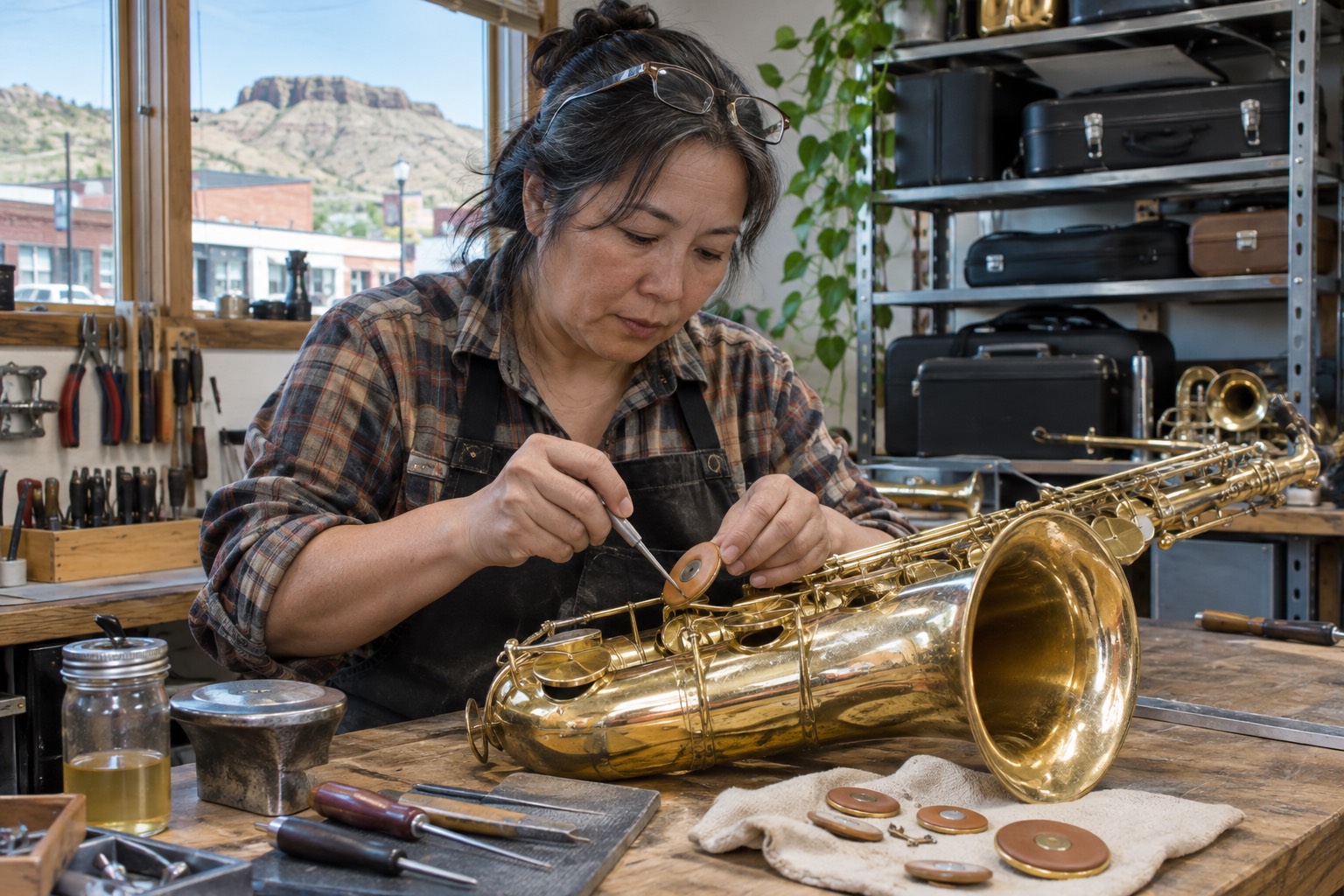
AI-generated editorial illustration. Not a photograph of an actual local business.
The market behind your business
Distinguish the town's public identity from individual customer relationships
Visit Montana locates Glendive between the Yellowstone River and the badlands, with Makoshika State Park on its southern edge. Its profile also describes a broader agricultural service setting extending into eastern Montana and western North Dakota. [1] That introduction helps explain the community without defining the territory or customer concentration of every business based there.
An owner who wants to sell a business in Glendive should show where work originates through available records. Walk-in household purchases, agricultural accounts, commercial projects and identifiable visitor transactions can require different service arrangements. If customer origins are not consistently collected, describe that limitation. A recognizable destination does not make every cash sale a tourism transaction.
For a company reaching beyond town, show representative assignments rather than a shaded map alone. Explain deliveries, collection, travel, return visits and decisions about accepting distant work. The time absorbed by a small repair or replacement can differ considerably from the invoice amount. Buyers need those practical costs before interpreting a regional service claim as an opportunity for immediate expansion.
Define the physical operation separately. A premises schedule should explain rooms, storage, equipment and access used in ordinary trading, together with the arrangements supporting them. The river and badlands are part of the setting; public amenities do not become included private assets. Establishing the boundary helps a purchaser assess the business actually offered without confusing attractive surroundings with resources under the seller's control. Soften sale talk — no fake Proven Track Record slogans or an unverifiable Glendive street office for Bridge Point Advisors. Compare with Sidney, Miles City, Baker, Billings, Circle only on each company's own files.
Local context. Practical implications.
Separate educational institutions, visitor resources and recorded private trading
Dawson Community College describes its history, community mission and educational priorities on its own website and gives its address in Glendive. [2] This identifies an institution within the community. It does not establish an individual seller's college accounts, employee recruitment results or future access to trained staff.
A business claiming educational or institutional customers should distinguish completed orders from informal contacts and hoped-for future work. Show who authorized purchases, what was delivered and when payment followed. Repeat transactions should be demonstrated through records. A longstanding personal acquaintance may be valuable context, but buyers need to understand how purchasing decisions occur and what remains uncertain after ownership changes.
Montana Fish, Wildlife and Parks describes Makoshika's badland landscape and paleontological exhibits. [3] For a private company, the useful connection is specific: recorded guest stays, shop purchases, equipment service or other transactions where the evidence supports them. Public interpretation and fossil collections remain separate from the seller's inventory, brand or commercial rights.
The distinction also applies to staffing. A community institution cannot demonstrate that a replacement employee will be available. Document the skills used in actual work, existing responsibilities and how people learn unfamiliar tasks. A purchaser can then evaluate the company on demonstrated capacity and identify training needs without assuming that nearby educational activity automatically supplies an immediate successor for every role.

AI-generated editorial illustration. Not a photograph of an actual local business.
A different sale story for every company
Key industries in Glendive
What owners should prepare before taking a business to market — qualitative preparation, not hard deal tallies.
Agricultural supply and practical retail
A supply retailer should explain regular replenishment, urgent purchases and goods retained for uncommon requests. Reconcile inventory categories with turnover and purchasing commitments. Identify stock belonging to suppliers or already allocated to customers. Regional agriculture offers context, while the seller's accounts establish actual exposure. Show how staff choose an alternative part when the preferred item is unavailable and when a customer's request must wait. Those decisions reveal knowledge, service limits and the cost of maintaining availability beyond a simple count of merchandise on shelves. See retail.
Instrument repair and specialist workshop services
A workshop should trace an accepted item from inspection through quotation, authorization, repair and collection. Record customer-owned property separately from company tools and stock. Buyers need to know where technical judgment sits and how changes in scope are communicated. For a musical instrument, a replacement component, adjustment and final check may involve different skills. Explain how the operation handles an uncertain diagnosis or a repair awaiting materials. The transferable business includes its working method and responsibilities, not merely the equipment visible on a bench. See retail.
Accommodation and visitor-oriented trade
An operator serving guests should reconcile reservations, advance payments, cancellations and the resources needed before arrival. Identify maintenance and preparation outside concentrated dates. Makoshika's public visitor appeal does not establish a private property's occupancy, bookings or operating capacity. Show ordinary trading and identifiable visitor periods on their own terms. Additional rooms, services or opening dates belong in a separately costed proposal. Buyers first need to understand the performance achieved with the people, premises and arrangements already used rather than a different business dependent on future execution. See construction.
Food preparation and everyday purchases
A food business should distinguish routine transactions from groups, advance orders and unusual high-volume days. Explain product preparation, purchasing, waste and coverage across opening hours. More receipts can involve earlier work and later cleanup, so show labor and materials alongside sales. Buyers need the owner's role in menu choices, substitutions and handling complaints. Establish which routines employees manage and where decisions still depend on one person. Public attractions may introduce the location, but the company's trading evidence should explain who actually buys and how the operation delivers. See restaurant.
Commercial services and project work
A service company should separate completed assignments, continuing arrangements, quotes and unfinished commitments. Explain scheduling, materials acquired before payment and any subcontracted work. A list of regional organizations is not evidence that all are customers. Buyers need representative files showing authorization, delivery, invoicing and follow-up. Describe how the business deals with a changed deadline or delayed approval. That practical sequence helps evaluate customer concentration and resource needs while making clear where work is established and where the seller is only describing a possible future opportunity. See retail.
Valuation & exit prep
Soften valuation talk to supported earnings after a real manager wage — not a civic caption or leftover peer-metro multiple as twelve months of private profit. See business valuations and the sale-prep roadmap.
Local market perspective
Five business models that call for different supporting records
Keep Glendive local context tied to measured company results rather than peer-metro leftovers.
Keep Glendive local context tied to measured company results rather than peer-metro leftovers.
Keep Glendive local context tied to measured company results rather than peer-metro leftovers.
A clearer story for a prospective buyer
Glendive, MT and surrounding areas
The ownership transition
Match the transition to the company's working calendar
Soft process steps aligned with Bridge Point Advisors practice — not invented close counts or a claimed Glendive desk.
Understand the business
Match seller assistance to accepted obligations and resources already available in Glendive.
Prepare the presentation
Match seller assistance to accepted obligations and resources already available in Glendive.
Plan the transition
Match seller assistance to accepted obligations and resources already available in Glendive.
Due diligence
Due diligence — test lease, licenses, customer concentration, and quiet midweeks against local evidence — not a peer metro leftover.
Closing and transition
Closing and transition — hand over routines, contacts, unfinished work, and a clear endpoint so the buyer can run the next week without the founder.
Use the sale-prep roadmap and due diligence guides. M&A advisory fits when the company and buyer require that level of engagement.
Providing local expertise
Nearby markets we also serve
Sidney, Montana
Underwrite on its own records.
Miles City, Montana
Underwrite on its own records.
Baker, Montana
Underwrite on its own records.
Billings, Montana
Underwrite on its own records.
Circle, Montana
Underwrite on its own records.
Spring Hill, Florida
National desk — where Bridge Point lists from.

Begin with a clear picture of your Glendive company
Bridge Point Advisors can begin with your reasons for considering a sale, complete financial periods, customer channels, owner duties, and unfinished commitments in Glendive. Call (352) 515-0226 or contact us.
Or call (352) 515-0226
Questions from local owners
Frequently asked questions
About selling a business in Glendive, Montana
Does Makoshika's appeal establish my visitor revenue?
The park explains part of the location's identity, while your own records establish customer activity. [3] Identify guest stays or transactions where the connection is supported and acknowledge information you do not collect. A destination description cannot determine the visitor share of every private business or demonstrate future bookings for a purchaser.
Should I identify the college as a customer?
Only describe an actual commercial relationship supported by your records. The college's public history and mission establish its institutional role, not your company's account. [2] Separate completed transactions, continuing arrangements, personal contacts and hoped-for work. Buyers need to know which connection is documented and what could require a separate decision after ownership changes.
How should unfinished repairs be presented?
Prepare an itemized schedule showing customer property, approvals, parts ordered, money received and work remaining. Reconcile that schedule with financial records and discuss transaction treatment with appropriate advisers. Buyers need to understand the remaining obligation instead of interpreting every item in the workshop as a sale asset or every deposit as completed earnings.
Can I begin before every technical procedure is written down?
Yes. Start by recording representative jobs and the decisions only you currently make. Identify what employees already handle and where another person would need instruction. Preparation can then focus on the most consequential gaps. A defined training and support proposal makes those dependencies visible without pretending decades of experience transfer automatically with a set of tools.
How do buyers think about value for a Glendive, Montana company?
Owner-operated shops often price around two to three and a half times seller's discretionary earnings after a real manager wage. With a lead already holding a quiet midweek, a directional band is often two and a half to four and a half times those earnings. Managed companies often price on adjusted EBITDA, commonly about three to six times near a ten million dollar price. Those ranges are directional, not a quote.
Who helps sell a business in Glendive, Montana?
Bridge Point Advisors. Start with a valuation or contact — call (352) 515-0226. The firm works nationally and does not claim a street office in Glendive.

Ready to discuss selling your business in Glendive?
Start with your goals, your recent results, and the company you are ready to transfer. Bridge Point Advisors — call (352) 515-0226. No street address is claimed for Bridge Point in Glendive. Or contact us online.
Or call (352) 515-0226
Local research and sources
[1] Visit Montana, Glendive town profile, Yellowstone River, badlands and regional agricultural context; no private customer territory, revenue or current visitor totals inferred; reviewed November 3, 2026 Source
[2] Dawson Community College, History, Mission and Strategic Priorities, institutional history, mission and Glendive address; no private accounts, enrollment or guaranteed labor availability adopted; reviewed November 3, 2026 Source
[3] Montana Fish, Wildlife and Parks, Makoshika State Park, landscape and public interpretive resources; no current hours, fees, operating rights or private sales inferred; reviewed November 3, 2026 Source