
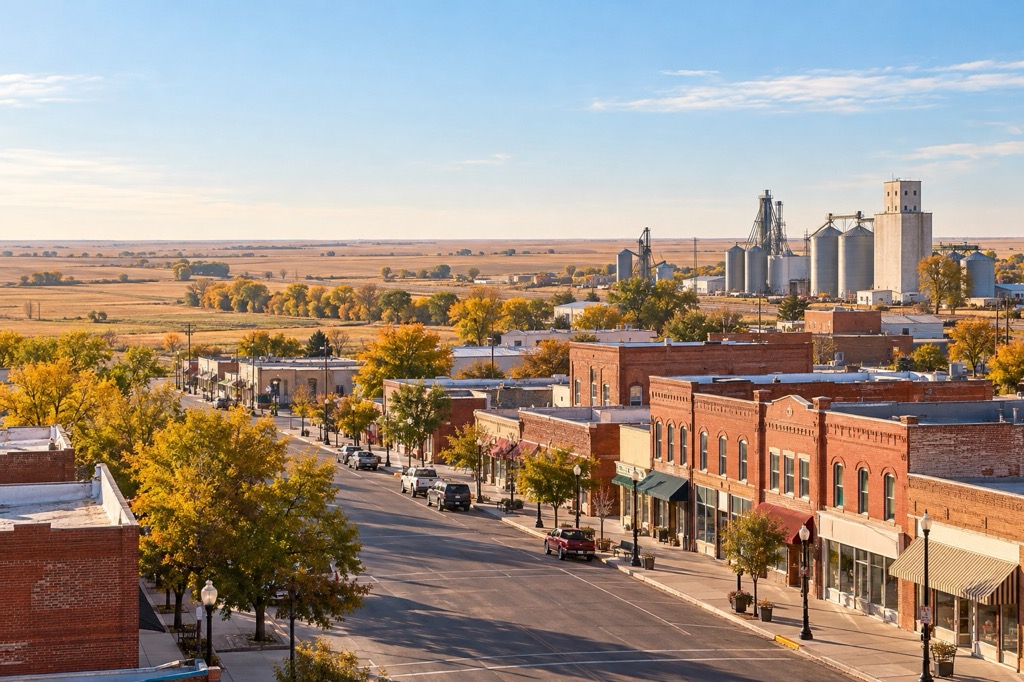
Home / Locations / Lamar, Colorado
Your business. Your next chapter.
Business Broker in
Lamar, Colorado
Make the purchasing knowledge behind your earnings visible
A business broker in Lamar should help you explain the supplier relationships and purchasing decisions that keep your company working. The price on an invoice is only part of that story. Freight, order quantities, storage, product selection and the owner's judgment can all affect the result a buyer is evaluating. Bridge Point Advisors can help organize this evidence around your objectives for an ownership change. Begin with what the company buys, why it buys it and how those inputs become completed sales or services. A purchaser gains a clearer view when the sourcing process is understandable alongside the financial history.
Or call (352) 515-0226
Prowers County — US-50 / agriculture & regional services
Local market knowledge for Lamar owners
Bridge Point Advisors helps Lamar and Prowers County owners present agricultural inputs and rural supplies, food production and ingredient-based businesses, manufacturing and technical repair, retail and everyday services, and restaurants or customer-facing hospitality clearly — without treating a named processor interview, a comprehensive-plan caption, or a shovel-ready announcement as a substitute for the company's own files. Call (352) 515-0226. No street address is claimed for Bridge Point in Lamar. Holly, Granada, and Wiley fold into this Prowers labor pool when the invoices already name them; they do not share a Lamar Main Street rent. Springfield is a Baca County name only on this page — not a published twin listing.
Bridge Point Advisors
Lamar, CO and surrounding areas. We work nationally from Spring Hill and do not list a fake Lamar street office or unverifiable local hours.
A different sale story for every company
Key industries in Lamar
What owners should prepare before taking a business to market — qualitative preparation, not hard deal tallies. Purchasing knowledge colors every file; your own invoices set the evidence.
Agricultural inputs and rural supplies
Explain stock selection, ordering quantities and the customer needs each category serves. Separate ordinary replenishment from special orders. Show freight, storage and product movement alongside invoice prices. See retail and warehouse.
Food production and ingredient-based businesses
Connect ingredient purchasing with products made and sold. Explain quantities, packaging and delivery without treating a bulk purchase as an automatic saving. See manufacturing.
Manufacturing, fabrication and technical repair
Explain specifications, provider selection and materials used for completed jobs. Identify who confirms suitability and how customer requirements are recorded. See manufacturing, auto repair, and HVAC.
Retail and everyday services
Explain supplier orders, stock age and customer purchases. Merchandise on display is different from a record of items that sell. See retail and convenience stores.
Restaurants, catering and hospitality
Describe how purchasing supports ordinary service and separately accepted group work. Show quantities, storage, preparation and staff time. See restaurants.
Valuation & exit prep
Soften valuation talk to supported earnings alongside freight, stock and purchasing judgment — not a processor headline or shovel-ready caption. See business valuations and exit planning.
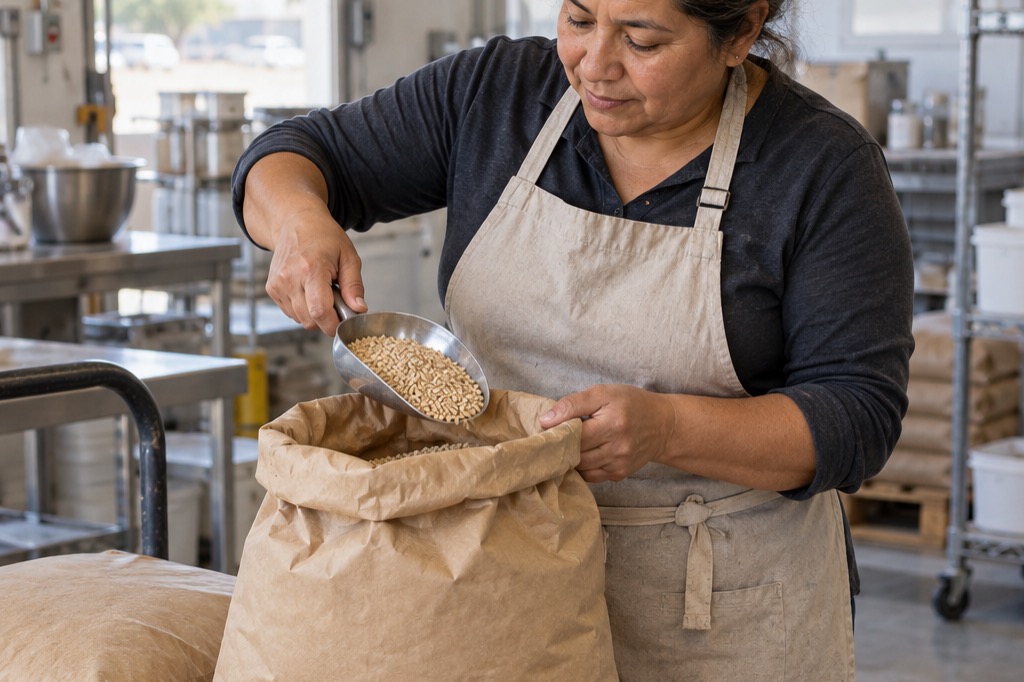
AI-generated editorial illustration. Not a photograph of an actual local business.
The market behind your business
Lamar connects agricultural production with other business activity
In an October 1, 2026 National Sunflower Association interview, Colorado Mills representatives described their Lamar operation's sunflower oil and livestock-feed business. They explained that oil customers extend widely while feed distribution is more regional because of shipping costs and logistics.[1] This is one named operator's account, not a description of every Lamar company's territory or economics.
It illustrates a useful question for someone preparing to sell your business in Lamar: how does the cost of moving goods affect the operation being offered? A product can have a broad potential market while the practical delivery model differs by customer, quantity and item. The seller's own records should explain the actual position.
Consider an illustrative rural supplier buying stocked parts and occasional special orders. A low unit price may involve a larger order, freight charges and a longer holding period. An urgent purchase may cost more but allow an accepted customer job to be finished. A buyer needs to understand how those decisions are made.
Prepare examples using completed transactions. Connect purchase orders, delivery records, stock movement and customer work. Explain the owner's role in selecting products and resolving shortages. Soften valuation talk to supported earnings and sourcing evidence — not premier slogans, fake Proven Results, or an unverifiable Lamar street office.
The ownership transition
Transfer purchasing judgment through practical examples
Soft process steps — transfer sourcing decisions; no invented close counts.
Understand the business
Map what the company buys, why it buys it, and how those inputs become completed sales or services — including freight, quantities and storage.
Prepare the presentation
Select representative transactions: ordinary replenishment, a special purchase for accepted work, and an example involving delay or substitution.
Confidential marketing
Stage outreach so distinctive inputs, specifications or purchasing arrangements are not named before appropriate confidentiality arrangements.
Due diligence
Test unit price against delivered cost, stock movement and timing. Keep comprehensive-plan and shovel-ready talk out of the private P&L story.
Closing and transition
Hand over open orders, stock commitments, provider arrangements and owner judgment with concrete seller assistance and a clear endpoint.
Use the sale-prep roadmap and due diligence guides. M&A advisory fits when the company and buyer require that level of engagement.
Local context. Practical implications.
A community development framework is separate from a supply arrangement
The City of Lamar states that its 2025 Comprehensive Plan was adopted on June 9, 2025. Its Community Development page also identifies coordination with Main Street Lamar, the redevelopment authority and Prowers Economic Prosperity.[2] These are public planning and business-support functions. They do not establish private supply terms, customer contracts or an award to the company a seller is offering.
For a business owner, the preparation work remains specific. Identify actual providers, the products or services purchased and the arrangements supporting current operations. Explain which relationships are managed by employees and which depend on the owner. A buyer should understand whether a purchasing decision is routine or requires judgment based on specifications and customer needs.
Review what has changed over several periods. A different supplier, order size or delivery pattern may help explain costs. Use the company's records rather than assign every change to a general local trend. If an unusual purchase supported a particular job, show that connection.
Compare with Pueblo, La Junta, Burlington, Garden City, and Liberal only on each company's own files — not a mill multiple, an Otero leftover, a Kit Carson I-70 caption, a Finney packing wage, or a Seward desk pasted onto a Prowers weekday.
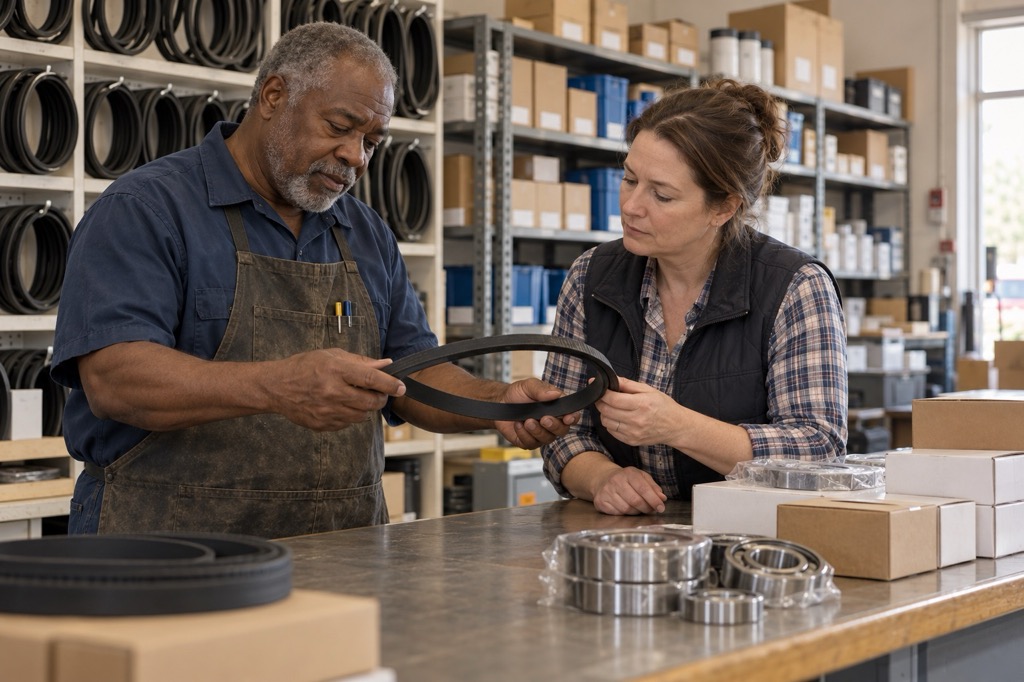
AI-generated editorial illustration. Not a photograph of an actual local business.
Local market perspective
Land readiness is a future development tool, not completed trading
Prowers Economic Prosperity's April 22, 2026 Project One release described a site advancing through annexation and rezoning and explained its Shovel Ready Program as a land-readiness initiative.[3] That dated process statement should not be converted into an assertion that every later approval occurred or that new businesses are already trading on the site.
For an existing Lamar seller, the distinction is useful. A future development might create possible customers or premises choices. It does not establish the company's current supplier access, accepted orders or completed earnings. Explain the business already operating before presenting opportunities linked to another project.
Before you sell your business in Lamar, Bridge Point Advisors also serves Pueblo, La Junta, Burlington, Cheyenne Wells, and Limon — each underwritten on its own records, without a claimed Lamar street office.
A clearer story for a prospective buyer
Lamar, CO and surrounding areas
Providing local expertise
Nearby markets we also serve
Pueblo, Colorado
Mill town on the Arkansas — not a Prowers County US-50 Tuesday. Compare only on each company's own records.
La Junta, Colorado
Otero County desk west on US-50 — underwrite each file separately.
Burlington, Colorado
Kit Carson I-70 plains desk — not this Prowers clerk or rent.
Garden City, Kansas
Finney County packing wages east on US-50 — a labor leak, not this listing.
Liberal, Kansas
Seward County — buyers already try National Beef math; it is not this trail town.
Cheyenne Wells, Colorado
Cheyenne County plains seat — keep comps on company evidence.

Begin with the decisions behind your company's results
Bring recent accounts, important purchasing records and examples connecting inputs with completed customer work. Include the supplier relationships, inventory decisions and owner responsibilities behind those results. Contact Bridge Point Advisors to discuss selling your business in Lamar, Colorado — call (352) 515-0226 or start at /contact.
Or call (352) 515-0226
Questions from local owners
Frequently asked questions
About selling a business in Lamar, Colorado
Is a supplier list enough for a buyer?
Explain what is purchased, why that product or provider is used and how ordering works. Include delivery, quantities and owner judgment where relevant. A purchaser needs the practical supply process and actual arrangements rather than assume a list of names establishes continuity.
Should bulk purchases be presented as automatic savings?
Show the full cost and use of the goods. Freight, storage, stock movement and timing matter alongside unit price. A buyer should understand what supported completed sales and what remains in inventory before interpreting the financial effect of a larger order.
Does a land-readiness announcement establish future customers?
It provides dated development context. It does not establish completed trading, accepted work or a supplier relationship for another private business. Explain your company's current customers and commitments separately from opportunities depending on future development or another party's decisions.
What belongs in a purchasing handover?
Show specifications, reorder practices, receiving checks, provider arrangements and decisions requiring owner judgment. Use representative transactions and identify open orders. Review continuity and transaction questions with advisers so that the purchaser understands both the process and responsibilities remaining at transfer.
Is Lamar priced like Pueblo, Garden City, or Liberal?
No. Compare only on each company's own records. Pueblo is a mill conversation, Garden City is Finney County, and Liberal is Seward County. A convenient drive on US-50 does not merge those plants or those multiples with a Prowers County file.
How do you keep a Lamar business sale confidential?
A distinctive input, technical specification or purchasing arrangement may identify the enterprise before its name is shared. Begin with supported financial patterns and operating requirements. More detailed supplier, customer and staff records follow through an agreed process — typically after an NDA. Call Bridge Point Advisors at (352) 515-0226.
What should I bring to a first conversation about selling in Lamar?
Bring recent accounts, important purchasing records and examples connecting inputs with completed customer work. Include supplier relationships, inventory decisions and owner responsibilities still open. Bridge Point Advisors can help organize that evidence — call (352) 515-0226 or start at /contact.
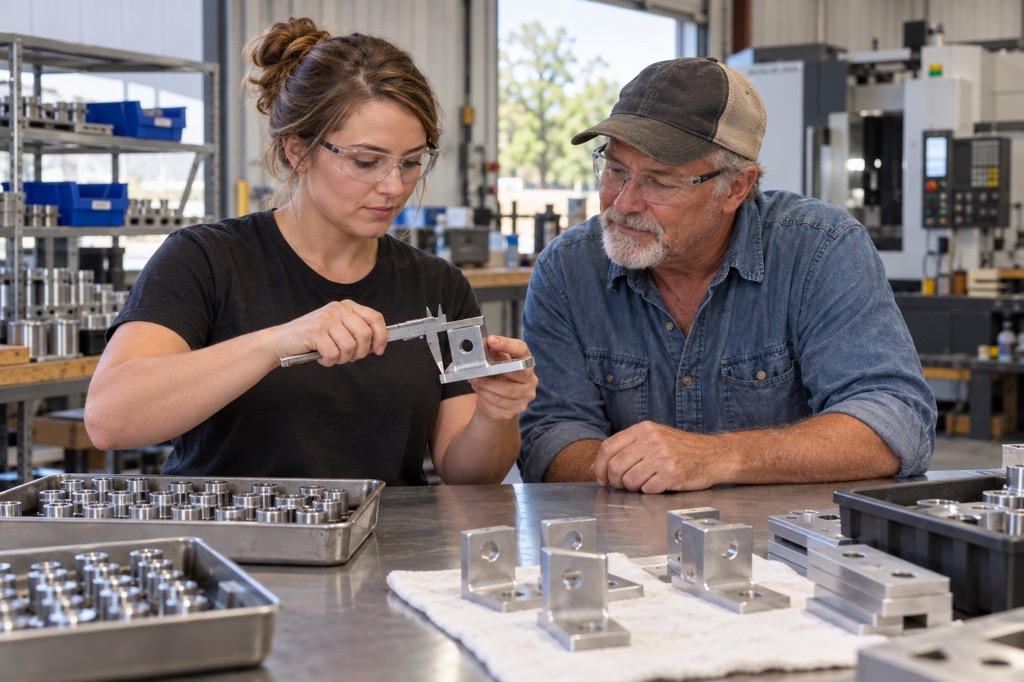
Ready to discuss selling your business in Lamar?
Start with your goals, your recent results, and the company you are ready to transfer. Bridge Point Advisors — call (352) 515-0226. No street address is claimed for Bridge Point in Lamar.
Or call (352) 515-0226
Local research and sources
[1] National Sunflower Association, October 1, 2026 first-person Colorado Mills interview; one Lamar operator's oil/feed distribution account, no production figures or broader private outcome inferred; accessed October 24, 2026. Source
[2] City of Lamar, Community Development; June 9, 2025 plan adoption and public support functions, no expired grant availability assumed; accessed October 24, 2026. Source
[3] Prowers Economic Prosperity, April 22, 2026 Project One/Shovel Ready release; dated land-readiness process, no later approval or opening assumed; accessed October 24, 2026. Source