
Home / Locations / Deer Lodge, Montana
Your business. Your next chapter.
Business Broker in
Deer Lodge, Montana
Present the company through the work it performs today
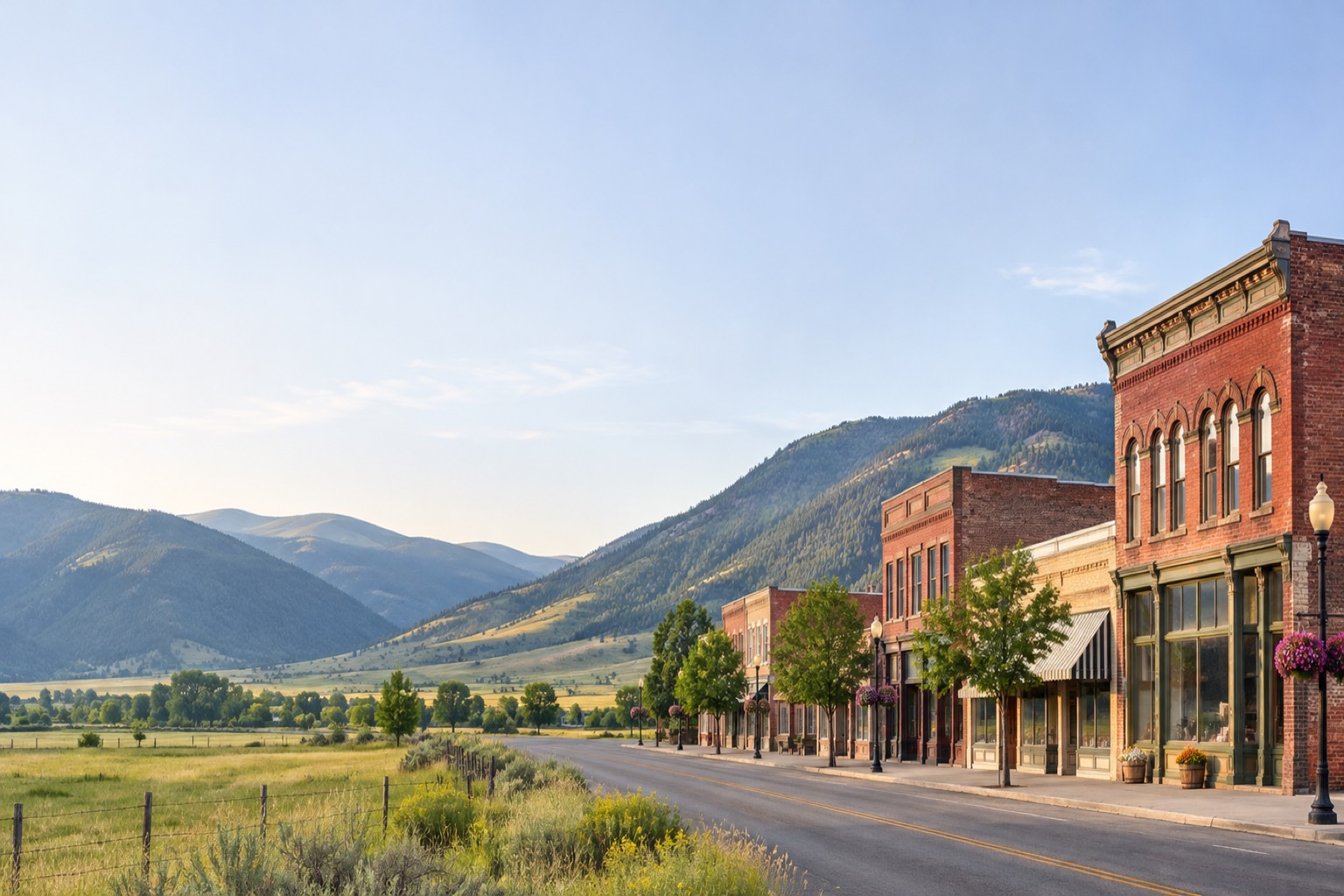
A Deer Lodge business sale should make the operation understandable beyond its historic surroundings. Buyers need customers, earnings, resources and the owner's responsibilities connected in one practical account. A business broker in Deer Lodge can help organize that evidence around a seller's goals and preferred transition. Bridge Point Advisors invites owners to discuss the company they have established and what its next owner would need to preserve. Begin with ordinary transactions and completed service, then explain visitor periods or regional accounts where records support them. Clear preparation helps a purchaser assess continuity before considering additional opportunities that require different resources, arrangements or execution. Bridge Point Advisors can help organize those facts around your selling goals — without inventing a Deer Lodge street office.
Or call (352) 515-0226
Powell County seat — I-90 / Grant-Kohrs Ranch western Montana corridor
Bridge Point Advisors for Deer Lodge owners — without a claimed local street office
Bridge Point Advisors helps Deer Lodge and surrounding owners present their companies clearly — without treating a civic caption, undated directory listing, or leftover peer-metro multiple as twelve months of private earnings. Call (352) 515-0226. Soften sale talk — no Proven Track Record slogans or Key Market Stats widgets. We work nationally from Spring Hill.
Bridge Point Advisors
Deer Lodge, MT and surrounding areas. We work nationally from Spring Hill and do not list a fake Deer Lodge street office or unverifiable local hours.
Local market perspective
Five operating models with different preparation needs
Keep Deer Lodge local context tied to measured company results rather than peer-metro leftovers.
Keep Deer Lodge local context tied to measured company results rather than peer-metro leftovers.
Keep Deer Lodge local context tied to measured company results rather than peer-metro leftovers.
A clearer story for a prospective buyer
Deer Lodge, MT and surrounding areas
The ownership transition
Match the transition to the company's working calendar
Soft process steps aligned with Bridge Point Advisors practice — not invented close counts or a claimed Deer Lodge desk.
Understand the business
Match seller assistance to accepted obligations and resources already available in Deer Lodge.
Prepare the presentation
Match seller assistance to accepted obligations and resources already available in Deer Lodge.
Plan the transition
Match seller assistance to accepted obligations and resources already available in Deer Lodge.
Due diligence
Due diligence — test lease, licenses, customer concentration, and quiet midweeks against local evidence — not a peer metro leftover.
Closing and transition
Closing and transition — hand over routines, contacts, unfinished work, and a clear endpoint so the buyer can run the next week without the founder.
Use the sale-prep roadmap and due diligence guides. M&A advisory fits when the company and buyer require that level of engagement.
AI-generated editorial illustration. Not a photograph of an actual local business.
The market behind your business
Use the correct county and operating geography
Powell County's official information distinguishes its Deer Lodge location from Anaconda-Deer Lodge County and explains Deer Lodge's county-seat role in Powell County. [1] That distinction matters when choosing local context. An economic statistic or program labeled Deer Lodge County should not automatically be presented as describing the town of Deer Lodge.
If you plan to sell a business in Deer Lodge, define the actual customer and service area. Local household purchases, commercial accounts, regional assignments and visitor transactions can involve different products and costs. A company may know its repeat accounts well but collect little information about other customers' origins. Explain those limits rather than turn a county or valley label into an exact private market claim.
Make the operating footprint practical. Identify work completed at the premises and assignments requiring delivery, collection or travel. Show representative routes and return visits where relevant. A buyer needs the time and resources behind regional reach rather than a broad service description that conceals preparation or implies every nearby community is already an established market.
Clarify assets and premises separately from the setting. A recognizable historic address does not establish ownership of the building or access to another property. Assemble the actual arrangements for appropriate review. The proposed transaction should identify what is included and which resources require further agreement or specialist investigation before a purchaser assumes everything used daily can continue unchanged. Soften sale talk — no fake Proven Track Record slogans or an unverifiable Deer Lodge street office for Bridge Point Advisors. Compare with Anaconda, Butte, Helena, Missoula, Bozeman only on each company's own files.
A different sale story for every company
Key industries in Deer Lodge
What owners should prepare before taking a business to market — qualitative preparation, not hard deal tallies.
Independent retail and specialty merchandise
A retailer should reconcile categories with purchasing and turnover. Separate ordinary stock from special orders, consigned goods and customer property. Explain items retained for regular customers and the owner's selection knowledge. Buyers need slow lines beside popular products and the resources required to maintain availability. A historic district or museum setting provides context, while transactions establish the seller's offer. Demonstrate an unavailable item or return so a successor can understand how customer confidence is preserved through decisions as well as merchandise displayed on shelves. See retail.
Furniture, repair and specialist craft
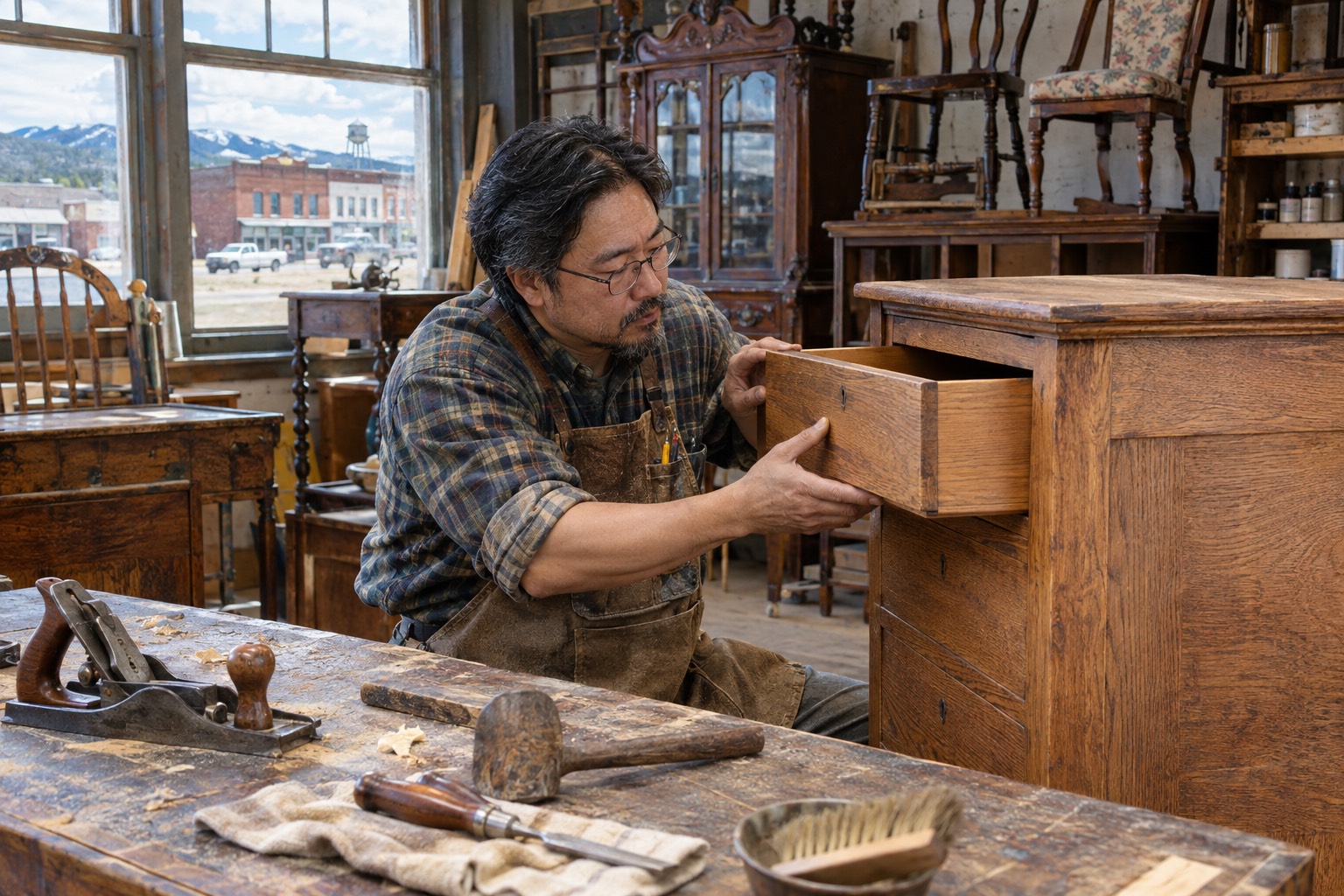
A repair or craft business should show representative work from request through authorization and completion. Identify customer-owned goods separately from sale assets and explain unfinished assignments. Buyers need technical knowledge, material availability and the process for approving scope changes. Show rework and follow-up where relevant. A useful account includes the owner's judgment when an unusual item requires more time or another resource. The presence of historical collections nearby does not establish ownership, provenance or rights in goods handled by the seller. See construction.
Food service and accommodation
An operator should distinguish ordinary local trade from reservations, groups and identifiable visitor periods. Explain deposits, cancellations, purchasing and staff coverage where relevant. Additional receipts may require preparation and cleanup outside public hours, so costs belong beside revenue. Buyers need quieter periods and resources retained for dependable service. Present a new package or longer season separately from the capacity, premises and results supporting today's operation. Nearby attractions cannot establish private bookings or make another institution's facilities part of the proposed business sale. See restaurant.
Equipment, vehicle and practical supply
A technical or supply operator should demonstrate ordinary jobs or orders through authorization, parts and completion. Identify equipment owned by customers and resources obtained elsewhere. Buyers need stock, staff knowledge and the process for approving substitutions or changed work. Show travel and collection where relevant. A useful presentation also explains the decision to accept urgent assignments and how the company protects commitments already made, revealing actual capacity beyond a broad statement about regional agricultural or industrial demand. See auto repair.
Building care and recurring commercial services
A contractor should define territory through completed assignments and actual access arrangements. Separate scheduled care, projects and urgent requests. Show materials, travel and return visits beside revenue. Buyers need open commitments and resources allocated to fulfill them. Identify who quotes exceptions and coordinates changes. A general revitalization narrative cannot establish the company's pipeline. Representative work should reveal capacity, owner dependence and decisions required to preserve reliable service when additional requests compete with promises already made to existing customers. See retail.
Valuation & exit prep
Soften valuation talk to supported earnings after a real manager wage — not a civic caption or leftover peer-metro multiple as twelve months of private profit. See business valuations and the sale-prep roadmap.
Local context. Practical implications.
Distinguish a working historic ranch from a private seller's customer base
The National Park Service describes Grant-Kohrs Ranch National Historic Site in Deer Lodge as preserving the open-range cattle story through historic buildings, ranch activity and interpretation. [2] This establishes a significant cultural setting. It does not show that a private seller supplies the site, receives visitors from it or holds an operating relationship that will continue after a sale.
A company with agricultural customers should demonstrate present work through actual orders and completed assignments. Explain what is supplied, authorization, costs and payment timing. Keep regional ranching history distinct from the seller's current customer mix. Buyers need evidence of today's capability and concentration rather than an assumption that every business in a historic ranching community serves the same sector.
For visitor-facing operations, show the connection through company records where available. Bookings, purchases and identifiable group orders can help explain contribution. A public attraction does not establish conversion into a particular shop or accommodation business. Acknowledge gaps in customer-origin information instead of assigning unsupported percentages to a well-known institution.
The resources behind service deserve equal attention. Explain stock, preparation, staff coverage and maintenance between concentrated periods. Buyers need the operating cost of remaining dependable for ordinary customers as well as the receipts during a busy interval. A useful company account keeps everyday trading visible beside the more recognizable visitor and historical parts of the setting.

AI-generated editorial illustration. Not a photograph of an actual local business.
Navigating the Deer Lodge business market
Keep the Deer Lodge file measurable
Before you sell your business in Deer Lodge, identify the dates on which your own trading changed. Use sales and cost records to explain the result after the relevant period has occurred.
Working capital is the cash, inventory, deposits, and receivables a normal week needs so the buyer can make payroll. On this file the normal week is a quiet midweek — not a festival Saturday or a single project spike. Use the sale-prep roadmap before marketing begins.
Providing local expertise
Nearby markets we also serve
Anaconda, Montana
Underwrite on its own records.
Butte, Montana
Underwrite on its own records.
Helena, Montana
Underwrite on its own records.
Missoula, Montana
Underwrite on its own records.
Bozeman, Montana
Underwrite on its own records.
Spring Hill, Florida
National desk — where Bridge Point lists from.

Begin with a clear picture of your Deer Lodge company
Bridge Point Advisors can begin with your reasons for considering a sale, complete financial periods, customer channels, owner duties, and unfinished commitments in Deer Lodge. Call (352) 515-0226 or contact us.
Or call (352) 515-0226
Questions from local owners
Frequently asked questions
About selling a business in Deer Lodge, Montana
Which county context belongs with a Deer Lodge business?
Deer Lodge is in Powell County. Keep information about Anaconda-Deer Lodge County distinct when researching local conditions or assistance. Define the company's own premises and customer territory through records. Buyers need the correct geography and demonstrated operating reach rather than statistics or programs adopted solely because they share part of the town's name.
Do nearby museums establish my visitor revenue?
Use actual purchases, bookings and orders where they demonstrate a connection. Cultural institutions provide context without measuring stops at a private business. Explain preparation and costs beside receipts and acknowledge gaps in customer-origin information. Distinct institutions should not be combined into one assumed customer stream or treated as resources included in the seller's assets.
How should historical goods and customer property be presented?
Identify ownership and the commercial arrangement supporting each category. Separate company inventory, consigned items and property held for repair. Explain payments and unfinished work. Nearby historical collections cannot establish a private item's provenance or rights, so specialist questions should receive appropriate review before a buyer assumes possession alone makes everything available for sale.
What if I personally handle every unusual request?
Demonstrate representative exceptions and record the judgment involved. Identify what staff already manage and where a successor needs training. A defined support proposal helps assess continuity alongside financial evidence while giving both sides realistic boundaries. It should explain how responsibilities can transfer without assuming all your knowledge becomes available immediately or leaving future involvement unrestricted.
How do buyers think about value for a Deer Lodge, Montana company?
Owner-operated shops often price around two to three and a half times seller's discretionary earnings after a real manager wage. With a lead already holding a quiet midweek, a directional band is often two and a half to four and a half times those earnings. Managed companies often price on adjusted EBITDA, commonly about three to six times near a ten million dollar price. Those ranges are directional, not a quote.
Who helps sell a business in Deer Lodge, Montana?
Bridge Point Advisors. Start with a valuation or contact — call (352) 515-0226. The firm works nationally and does not claim a street office in Deer Lodge.

Ready to discuss selling your business in Deer Lodge?
Start with your goals, your recent results, and the company you are ready to transfer. Bridge Point Advisors — call (352) 515-0226. No street address is claimed for Bridge Point in Deer Lodge. Or contact us online.
Or call (352) 515-0226
Local research and sources
[1] Powell County, official information distinguishing Deer Lodge/Powell County from Anaconda-Deer Lodge County; no unrelated county statistics adopted; reviewed November 3, 2026 Source
[2] National Park Service, Grant-Kohrs Ranch basic information, historic ranch interpretation and Deer Lodge location; no current hours, acreage, seller procurement or visitor conversion adopted; reviewed November 3, 2026 Source
[3] Powell County Museum and Arts Foundation, official visitor information and nonprofit museum operation; no current correctional function, private procurement or seller revenue inferred; reviewed November 3, 2026 Source