

Home / Locations / Burgaw, North Carolina
Your business. Your next chapter.
Business Broker in
Burgaw, North Carolina
Explain the production resources behind the food business you built
An owner seeking a business broker in Burgaw needs a sale account that connects the offer customers buy with the resources that make it possible. Bridge Point Advisors welcomes a discussion about your objectives, available records and preparation. A specialty food or catering business may depend on production space, scheduling, packaging and personal customer relationships. Another owner needs those duties visible alongside supported earnings and accepted orders. Explain what belongs to the company, what is supplied through another arrangement and which decisions you handle personally. A clear presentation gives a buyer an operating business to investigate and practical matters to resolve before Bridge Point Advisors can help organize those facts around your selling goals — without inventing a Burgaw street office.
Or call (352) 515-0226
Distinguish shared production space from training and healthcare settings
Bridge Point Advisors for Burgaw owners — without a claimed local street office
Bridge Point Advisors helps Burgaw and surrounding owners present their companies clearly — without treating a civic caption, undated directory listing, or leftover peer-metro multiple as twelve months of private earnings. Call (352) 515-0226. We work nationally from Spring Hill.
Bridge Point Advisors
Burgaw, NC and surrounding areas. We work nationally from Spring Hill and do not list a fake Burgaw street office or unverifiable local hours.
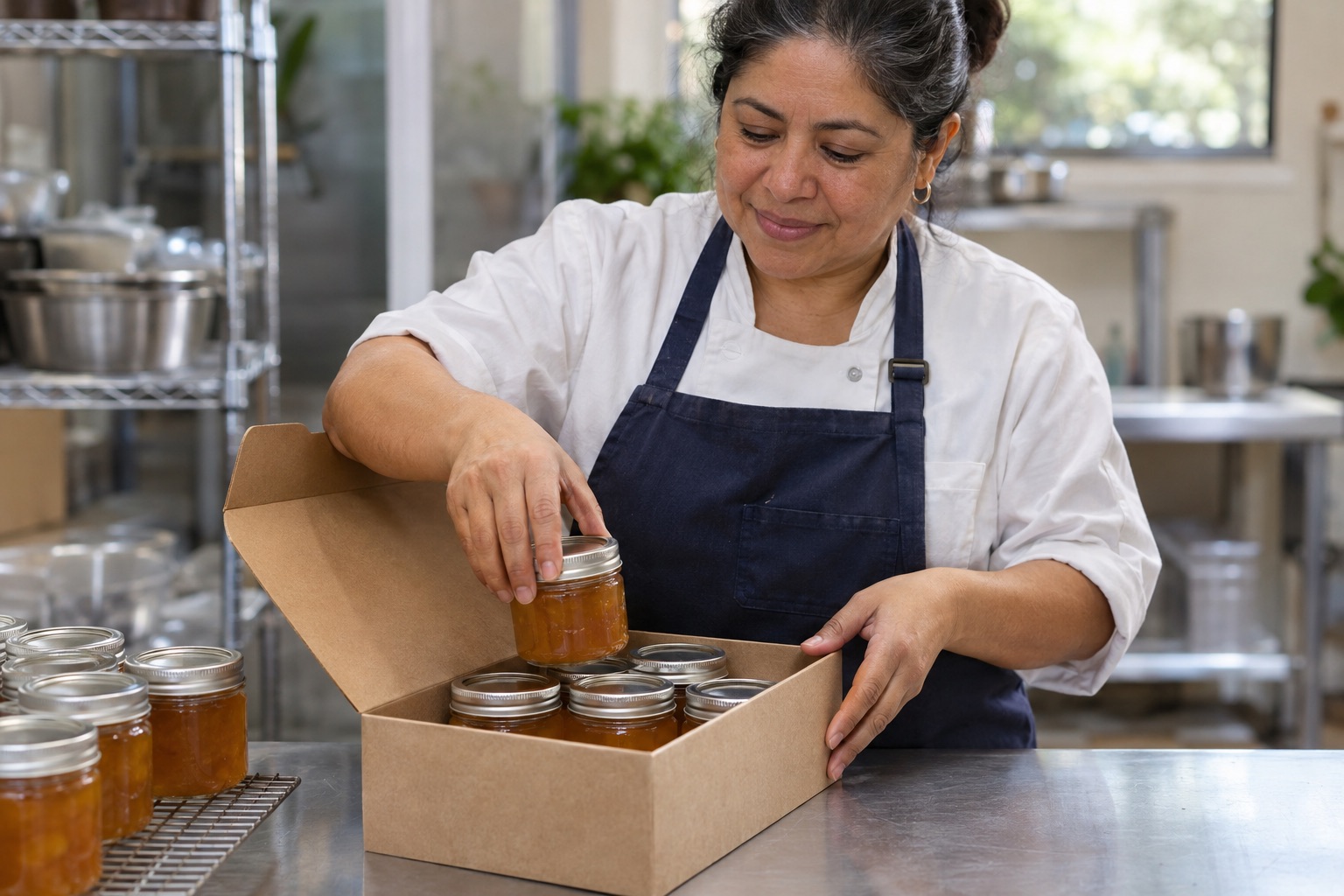
AI-generated editorial illustration. Not a photograph of an actual local business.
The market behind your business
Distinguish shared production space from training and healthcare settings
The town describes Burgaw Incubator Kitchen as a shared-use commercial kitchen in the historic depot. [1] An owner preparing to sell a business in Burgaw should distinguish using a facility from owning it. Public information about the kitchen does not establish that a particular seller is a user, has a reserved schedule or can transfer an arrangement to another operator. A food company's own documents and operating history establish its position. Another owner needs the actual space, equipment and scheduling resources behind accepted production rather than an assumption that all visible facilities are included in the business assets.
Cape Fear Community College's Burgaw Center page explains that courses are announced each semester and identifies its Industrial Drive setting. [2] A seller should distinguish available educational resources from the skills its team actually holds. A published class cannot establish that staff have completed training or can perform a particular task independently. Another owner needs evidence of current capability, owner duties and any additional work needed to maintain the offer. Public training context may help frame preparation without providing a private earnings Novant Health describes Pender Medical Center as a critical access hospital with additional skilled nursing beds in Burgaw. [3] It is an institutional setting rather than evidence of a separate food business's commercial account. Employee purchases, an organizer's order and authorized organization spending involve different relationships. A seller should support any related trade through accepted scope, fulfillment and payment. A buyer needs the private account and its resource requirements before assessing concentration or assuming that the hospital's The illustrative food workshop shows sealed jars being packed into a carton. It depicts no actual Burgaw company, kitchen user, college supplier or hospital vendor.
The example highlights the work around a finished product: production resources, order instructions, packaging and completion. Another owner needs to understand which goods are available, which are reserved and what remains promised. A clean worktable or attractive package cannot establish ownership of premises, ordinary contribution or the duties attached to customer money already received. Compare with Wilmington, Jacksonville, Wallace, Clinton, Elizabethtown only on each company's own files.
Navigating the Burgaw business market
Keep the Burgaw file measurable
Prepare the earning account with production and order records Before you sell your business in Burgaw, reconcile operating reports with supporting transactions and explain material timing or classification differences. Identify exceptional orders and their related resources. Proposed adjustments should state the expense's function and any replacement duty another operator would need. Include and management work performed by the proprietor. Supported earnings should describe a functioning offer with realistic resources rather than assume the owner's practical contribution disappears after a sale without cost or a change in service.
Prepare a current order register staff can maintain. Include the purchaser, accepted product and quantity, timing, payments, resources allocated and next action. Distinguish inquiries from commitments and finished goods from completed customer transactions. A buyer needs the latest instruction and clear responsibility for approving a change. For the illustrative jar carton, the business should know what it supports and what remains to be delivered. Where the historical record is incomplete, identity the limitation and improve the live routine rather than invent an appearance of precision.
Describe ingredients, packaging and equipment by ownership, condition and availability. Some resources may be committed to accepted work or supplied by another party. Identify obsolete goods and known issues affecting production. The premises account needs actual documents and an explanation of how the routine uses the space. Appropriate advisers should review formal transfer, access and obligation matters. Public kitchen information cannot establish this seller's rights. [1] Another owner needs the private position and known questions rather than a general assurance that every facility arrangement continues unchanged.
Organize decisions that rely on the proprietor. Who accepts a changed quantity, confirms a production window or resolves a packaging mismatch? Show staff authority, useful references and the route for an exception. Preparation might include recording an order cutoff or bringing production and collection information together. This also gives proposed support a specific purpose. A buyer can see which capabilities already exist within the team and which tasks may need assistance during a defined transition, rather than rely on an indefinite promise that the owner will answer every future question.
Local context. Practical implications.
Describe production access and equipment ownership separately
A specialty food business should explain where it actually works and which resources it owns. Shared space, rented equipment, outside production and company tools can involve different arrangements. Another owner needs to know how accepted work fits the available schedule. The town's kitchen description provides a local example of shared production infrastructure, [1] while the seller's own documents establish its use and rights. Avoid presenting an outside facility as an owned asset or assuming an available public resource provides guaranteed capacity for a future buyer.
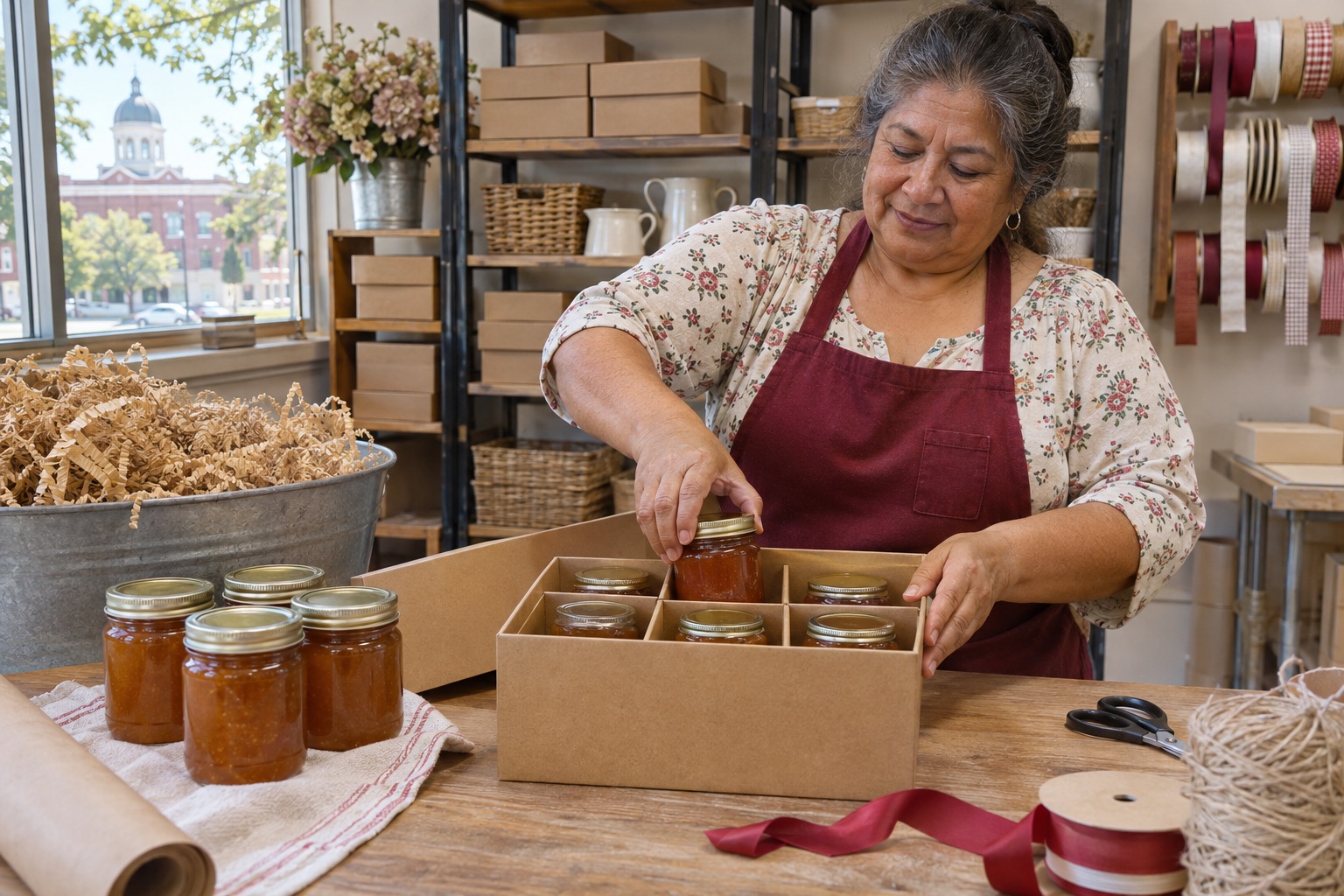
Follow a representative order from acceptance to completion. Describe the agreed product, quantity, timing, packaging and collection or delivery. Explain who can authorize a change and how the latest instruction is recorded. A buyer should be able to distinguish an inquiry from a commitment. The illustrative sealed jar may be finished stock, goods reserved for an order or an item awaiting final packing Physical appearance alone cannot establish that every customer duty has been completed or that the product remains available for another sale.
Production economics should include the full working process. Ingredients, preparation, space use egiment setup packagi, transport and follow-up canall affect contribution. A larger order may require more purchased resources or an additional production slot rather than create proportionately stronger earnings. Use completed examples and explain limitations where costs are not tracked by individual product. Another owner needs the actual resource requirement before assuming higher receipts mean more repeatable contribution or that spare equipment creates capacity without staff and workable access.
Purchasing control should remain separate from destination. The kitchen, college and hospital describe distinct local settings. [1][2][3] Private records establish the real account. Several recipients might depend on one organizer, while individuals associated with one institution may purchase independently. Explain accepted scope, completion and settlement through actual transactions. A buyer needs concentration and possible continuity based on who controls purchasing rather than a list of familiar names or an assumption that every local institution is a customer.
A DIFFERENT SALE STORY FOR EVERY COMPANY Kev industries in Burgaw
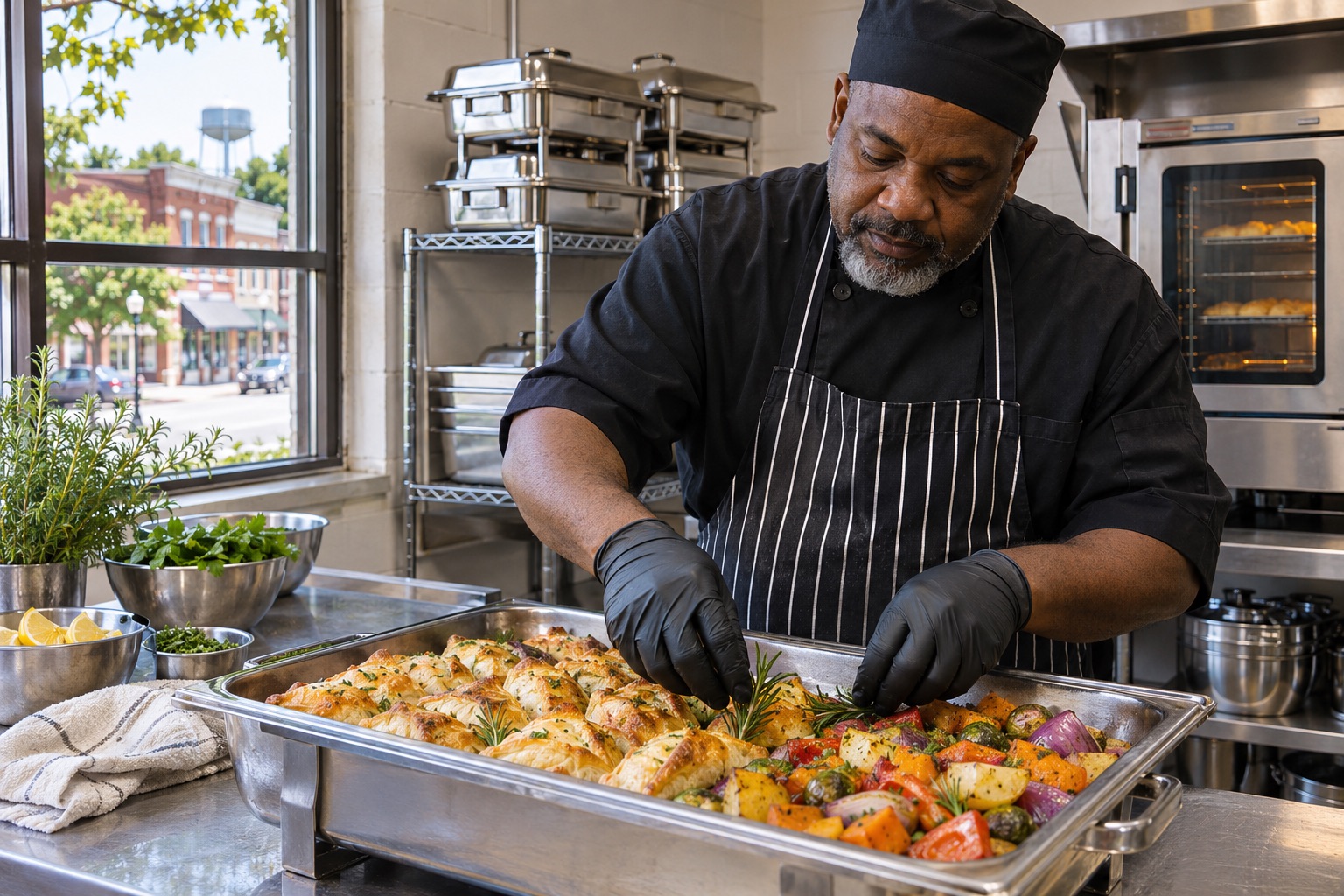
AI-generated editorial illustration. Not a photograph of an actual local business.
A different sale story for every company
Key industries in Burgaw
What owners should prepare before taking a business to market.
Specialty food production and catering
Explain the accepted offer, production Identify company resources separately from shared or rented space and equipment. Another owner needs representative contribution and a schedule capable of supporting current commitments. A finished product does not establish that all work is complete, and a facility used by the seller does not automatically become an owned asset. Show where proprietor judgment remains essential and how staff locate current instructions for an accepted order. See restaurant.
Shared-space and small production businesses
The town describes a shared-use kitchen at the historic depot.[1] A private seller should explain its actual arrangement rather than assume every local food business uses it. Identify access, equipment and scheduling through relevant records, with formal questions reviewed appropriately. A buyer needs usable resources and current commitments. Public facility information cannot establish guaranteed capacity, a seller's permission or the terms on which another operator may continue an arrangement after ownership changes. See retail.
Training-area and technical services
The college describes semester-based offerings at its Burgaw Center.[2] A seller should establish actual staff skills and work performed. Course availability differs capability. Another owner needs the proprietor's role, practical resources and limits of the current offer before assessing expansion. Public educational context cannot establish that the company can perform every listed subject or obtain additional staff at a particular cost or time. See consulting.
Healthcare-area commercial and everyday trade
Novant describes Pender Medical Center's hospital role in Burgaw. [3] A private business must establish related revenue through its own purchasers and transactions. Employee spending differs from authorized organizational orders or an intermediary's work. Explain scope, fulfillment and settlement. A buyer needs customer concentration and any matters requiring confirmation rather than infer supplier approval, recurring income or a commercial agreement that automatically presence. See medical practice.
Retail, property and practical services
Describe actual premises customer Describe actual premises, customer geography, staffing and the resources required before and after customer contact. A buyer needs ordinary contribution, usable assets and current promises alongside revenue. Explain decisions pertormed personally by the owner. Keep unusual projects and proposed improvements distinct from routine history. Broad local business resources supply context, while private evidence establishes the offer, relationships and economic position another operator is being asked to consider. See property management.
Valuation and exit prep
Keep a Burgaw price conversation on supported earnings, usable assets, and the work still held by the owner. A public address or a recognizable institution is context, not a multiple. See business valuations and the sale-prep roadmap.
The ownership transition
Carry production choices and open orders into the new
Soft process steps aligned with Bridge Point Advisors practice — not invented close counts or a claimed Burgaw desk.
Understand the business
Understand the business Use a normal order and an exception to explain how the company works. Follow acceptance, resource allocation, space scheduling, preparation, packing and completion. Show where staff find the latest instruction and how they recognize when another approval is needed. For the illustrative carton, arranging the jars is only one task within an accepted customer promise. Another operator needs the connections between the product, production access and remaining work alongside the physical location of tools and materials.
Prepare the presentation
Define proposed seller assistance through duties and realistic availability. Orientation to production choices, supplier introductions and help resolving existing orders serve different purposes. Preserve useful answers where the team can retain them, and give unresolved work a responsible role and next action. Appropriate advice should address formal arrangements. The operational aim is a business whose resources, scheduling limits and customer promises another owner can understand after a defined transition without indefinite reliance on the proprietor's memory or personal presence in every
Plan the transition
Carry production choices and open orders into the new
Due diligence
Due diligence — test the lease, licenses, customer concentration, and a quiet midweek against Burgaw evidence. See the [diligence guide](/blog/what-happens-during-due-diligence-a-sellers-survival-guide).
Closing and transition
Closing and transition — hand over routines, contacts, and unfinished work so the buyer can run the next Burgaw week without reconstructing it from the founder.
Use the sale-prep roadmap and due diligence guides. M&A advisory fits when the company and buyer require that level of engagement.
Local market perspective
Test a larger order book against practical production capacity
Business brokerage in Burgaw should make the current operation understandable before describing growth. A food company might investigate another product, larger group orders or additional delivery days. Explain what has been tested and which resources remain necessary. Shared infrastructure and training availability are real local contexts, [1][2] but cannot establish private demand or guaranteed production access. Another owner should be able to assess existing earnings without relying on a future account or an untested offer that still needs selling, staffing or investment.
The constraint might be timing and coordination rather than appliance capacity.
An order needs materials, people, an available workspace and accepted customer instructions together. More equipment cannot resolve a production slot that has not been arranged or an approval still outstanding. Show how the ousiness manages the actual limit. If a process change has produced a result, explain the period, resources and costs. If it remains an idea, describe the investigation rather than include its anticipated contribution in demonstrated earnings.
Compare periods consistently. A special ingredient purchase, large advance, changed product mix or delayed delivery can affect receipts and contribution differently. Explain company-specific decisions before attributing financial movement to the wider Burgaw setting. State limitations where time or materials cannot be allocated precisely. A buyer needs ordinary and less favorable examples before assuming a larger order book produces the same result at the current cost or treating every accepted advance as income from work already
A clearer story for a prospective buyer
Burgaw, NC and surrounding areas
Providing local expertise
Nearby markets we also serve
Wilmington, North Carolina
Underwrite on its own records.
Jacksonville, North Carolina
Underwrite on its own records.
Wallace, North Carolina
Underwrite on its own records.
Clinton, North Carolina
Underwrite on its own records.
Elizabethtown, North Carolina
Underwrite on its own records.
Spring Hill, Florida
National desk — where Bridge Point lists from.
Discuss the Burgaw business you are preparing to present
Bring Bridge Point Advisors your objectives, an operating outline and the records already available. Explain production space, owned equipment, customer orders, resource commitments and decisions you handle personally. A discussion can identify preparation for a fuller presentation and matters requiring specialist review. Keep demonstrated results distinct from proposed improvements, then consider the financial evidence, practical knowledge and support another owner would need to investigate the business and prepare for an ownership change. Call (352) 515-0226 or contact us.
Or call (352) 515-0226
Questions from local owners
Frequently asked questions
About selling a business in Burgaw, North Carolina
Does using a shared kitchen mean a seller owns it?
The town describes the depot kitchen as shared use.[1] A seller should identify its actual arrangement and separate owned equipment from outside resources. Public availability cannot establish a particular company's permission, reserved capacity or the terms on which another operator may continue after a sale.
Does a published college class establish staff capability?
The college explains that Burgaw offerings are announced each semester.[2] A seller should describe completed training, experience and actual work through its own records. Educational availability does not establish that the team has taken a course or can independently deliver every associated task.
Does the hospital's presence prove an institutional customer?
Novant describes Pender Medical Center's role in Burgaw. [3] A private seller needs purchaser, accepted-scope and settlement evidence for related trade. Distinguish employee spending from authorized organizational orders before assessing concentration or assuming a supplier relationship continues with another owner.
Why review advances with the production schedule?
Money received can still carry sourcing, production, packing or delivery duties. Keep accepted scope, payments, allocated resources and next action together. Another owner can then understand available capacity and remaining promises without assuming every receipt represents completed work or every resource is available for new orders.
How do buyers think about value for a company in Burgaw, North Carolina?
Buyers look at supported earnings, usable assets, customer concentration, premises, and the resources required to keep the accepted offer working. A public address or a recognizable local institution does not set the price. The range is a question for this company's records, not a quote from a neighboring market.
Who helps sell a business in Burgaw, North Carolina?
Bridge Point Advisors. Start with a valuation or contact — call (352) 515-0226. The firm works nationally from Spring Hill, Florida, and does not claim a street office in Burgaw.

Ready to discuss selling your business in Burgaw?
Start with your goals, your recent results, and the company you are ready to transfer. Bridge Point Advisors — call (352) 515-0226. No street address is claimed for Bridge Point in Burgaw. Or contact us online.
Or call (352) 515-0226
Local research and sources
[1] Town of Burgaw, Burgaw Incubator Kitchen. Reviewed November 5, 2026. Source
[2] Cape Fear Community College, Burgaw Center. Reviewed November 5, 2026. Source
[3] Novant Health, About Pender Medical Center. Reviewed November 5, 2026. Source