

Home / Locations / Hollister, California
Your business. Your next chapter.
Business Broker in
Hollister, California
Turn specialized work into a transferable business
A business broker in Hollister should understand the difference between a downtown shop's repeat customers and a technical supplier's approved work. Both can support an ownership transition, but they require different evidence. Hollister brings neighborhood commerce together with industrial and aviation activity near its municipal airport. For an owner preparing to sell, the useful question is what a buyer can continue delivering with the people, premises and permissions included in the transaction. Bridge Point Advisors can help organize that discussion around your company's actual performance, the decisions you make personally and the steps needed to place those responsibilities in new hands.
Or call (352) 515-0226
San Benito County — Downtown Hollister / Municipal Airport & Airpark
Bridge Point Advisors for Hollister owners
Bridge Point Advisors helps Hollister and San Benito County owners present precision and technical suppliers, downtown specialty retail, food and hospitality businesses, building and property services, and professional or administrative firms clearly — including San Juan Bautista when the invoices already name that desk — without treating a city airport economic-output figure, an airpark marketing brochure, or a downtown directory listing as a substitute for the company's own files. Call (352) 515-0226. No street address is claimed for Bridge Point in Hollister.
Bridge Point Advisors
Hollister, CA and surrounding areas. We work nationally from Spring Hill and do not list a fake Hollister street office or unverifiable local hours.
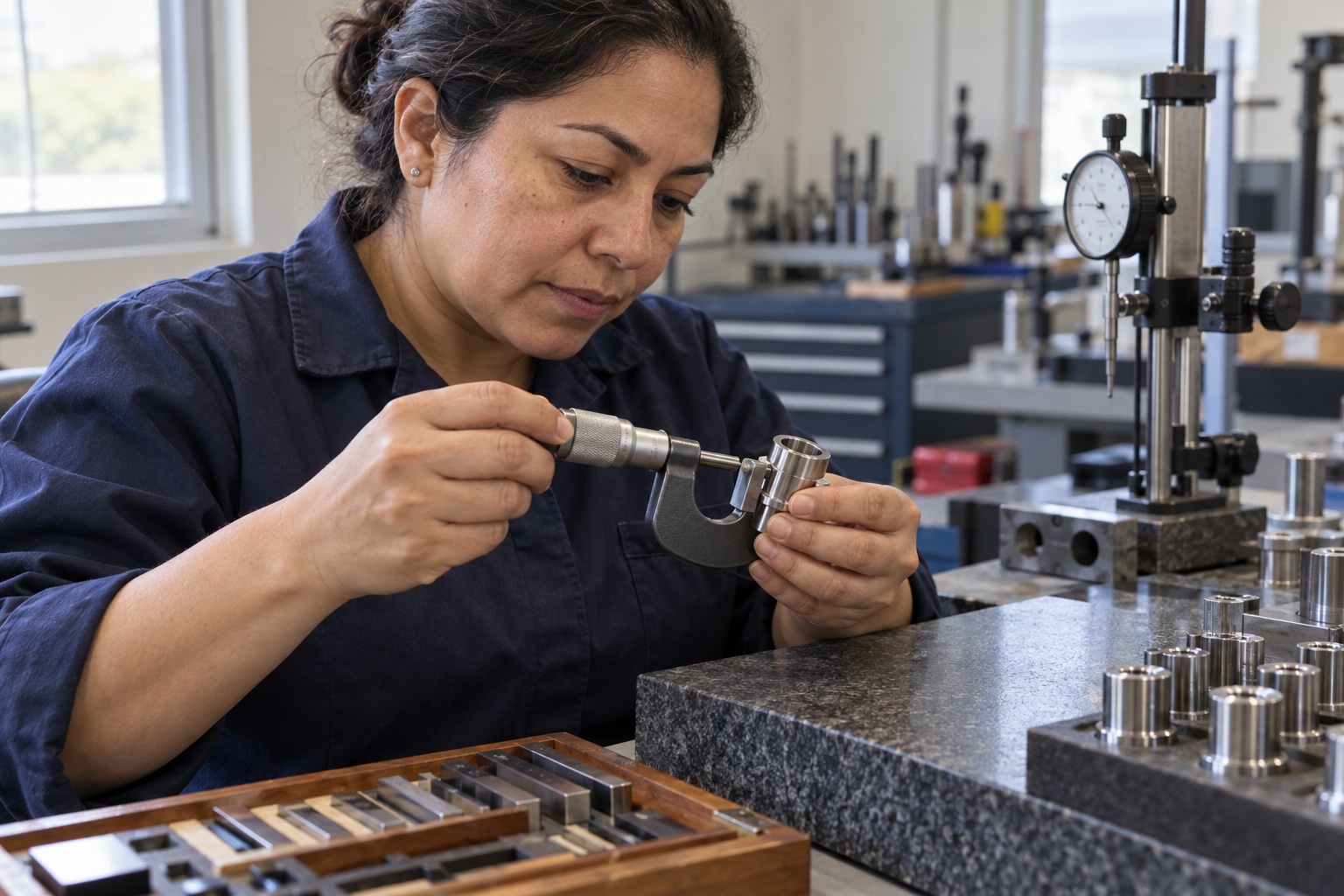
AI-generated editorial illustration. Not a photograph of an actual local business.
The market behind your business
A Hollister business story has several customer maps
Downtown Hollister's business association describes a compact shopping district with apparel, gifts, art, jewelry, home furnishings, dining and professional services. Its directory is a starting point for understanding the commercial mix, rather than proof of any particular company's current trading results.[1] A seller on a downtown block should explain how customers discover the business, whether appointments or walk-ins drive income, and how much purchasing comes from repeat local households. Those details establish the operating pattern a buyer would inherit.
The airport area presents a different picture. The Hollister Airpark Business Center markets industrial and airport-support property adjacent to the municipal airport.[3] A technical service company working in that setting might serve only a few organizations, each with detailed purchasing procedures. Its ability to retain business could depend on documented inspections, qualified employees and an accepted vendor relationship. Proximity alone would explain little about its earnings.
If you intend to sell a business in Hollister, map customers by the work they actually buy. Separate downtown retail receipts, recurring business accounts, occasional prototype jobs and orders delivered beyond the city. Show the gross contribution and staff time behind each category. Soften sale talk — no fake Proven Track Record slogans, invented sold-deal tallies, or an unverifiable Hollister street office for Bridge Point Advisors. Compare with Salinas, San Jose, and Monterey only on each company's own files.
Before you go to market
Prepare the records that carry customer trust
Before you sell your business in Hollister, choose several representative jobs or customer engagements and follow each one from request through collection. For technical work, create an accessible index of current specifications, approval records, equipment service information and staff responsibilities. For retail and service operations, apply the same discipline to special orders, deposits, repair tickets and promised completion dates. Review unfinished work separately — what has been billed, what remains to be delivered, what has been paid in advance and what additional cost is expected. Practice an owner-absence test on a routine order, a customer revision and a supplier delay. Prepare that picture before marketing begins.
Local context. Practical implications.
Airport developments deserve precise treatment
In a July 31, 2026 interview published by Monterey Bay Economic Partnership, Hollister's airport director discussed a city-commissioned study reporting $40.9 million in airport-related economic output for 2024. The same interview described advanced air mobility activity and agreements involving aviation companies.[2] The study year matters: that figure measures a past regional economic contribution, rather than a current sales forecast for a small company. Announced testing schedules also need separate confirmation before being described as completed operations.
For a seller, the practical value of this context is the buyer's next question: which of those activities reaches this business? A maintenance contractor can answer with completed work orders, repeat invoices and the terms of a purchasing arrangement. A shop that hopes to win future airport customers should put that opportunity in a separate section, with the cost and approvals required to pursue it. Keeping those categories clear allows expansion plans to remain interesting without obscuring established earnings.
The airpark's own materials describe a 100-acre master-planned development and advertise build-to-suit property.[3] Available property should not be counted as occupied employment or as customers already secured. Soften valuation talk to supported earnings and premises rights you actually hold — not an airpark brochure pasted onto a private P&L.

AI-generated editorial illustration. Not a photograph of an actual local business.
A different sale story for every company
Five business models and the evidence behind them
Qualitative preparation for a Hollister sale — not hard deal tallies or invented close counts.
Precision services and technical suppliers
Organize completed jobs around specifications, revisions and acceptance records. Show who confirms that a deliverable meets the customer's request and where the result is retained. If an owner alone interprets unusual requirements, begin transferring that knowledge to a capable employee before marketing. Describe only the capabilities your company can demonstrate. See manufacturing when it fits.
Downtown specialty retail
Separate stock owned outright from consigned goods, customer orders and display items. Explain which suppliers offer terms to the business and which arrangements depend on the owner's personal relationship. A buyer should see how merchandising decisions are made, how slow stock is handled and how special orders are tracked. See retail.
Food businesses and hospitality suppliers
Divide regular service, private orders and business deliveries where the records allow it. Identify who approves order changes, controls purchasing and schedules production. For commercial accounts near industrial premises, a sample profitable order is more useful than an unsupported estimate of regional demand. See restaurants.
Building and property services
Document existing customer locations and practical daily routes. Include the work's scope, service intervals and the person authorized to request changes. For industrial customers, clarify access procedures and safety requirements. See electrical, HVAC, and construction.
Professional and administrative services
Explain the engagement cycle, review responsibilities and delivery timetable. Identify customer records that belong to the client and the permissions needed to share them during a sale. Documented review steps and clear responsibility for deadlines can make an otherwise personal service business easier to evaluate. See bookkeeping and accounting.
Valuation & exit prep
Connect supported earnings with approved capability and premises rights — not a downtown directory caption or an airport study total. Soften valuation talk to transferable control and a realistic handover. See business valuations and exit planning.
The ownership transition
A transition built around acceptance decisions
Soft process steps — transfer the decisions that make the company dependable, not invented close counts.
Understand the business
Ask how the sale process will uncover the decisions that make the company dependable — when a job is ready for customer approval, or how a custom order that arrived incorrectly gets resolved — alongside earnings and assets.
Prepare the records
Follow several representative jobs from request through collection. Index specifications, approval records, equipment service information and staff responsibilities. Keep obsolete versions clearly separated.
Stage confidentiality
Start with an agreed disclosure plan. Qualify a prospective buyer's capacity and purpose before releasing distinctive customer projects. Share detailed files through an [NDA](/nda).
Map responsibilities
Name who handles quotations, revisions, purchasing, quality checks and payment follow-up. Identify which decisions require seller support and how that support will be provided — scheduled sessions with clear topics, not an open-ended promise.
Confirm premises and access
An airport-area business should establish what occupancy, access and operating arrangements are actually available to the successor. A downtown business should confirm how its lease and physical layout support current use.
Use the sale-prep roadmap and due diligence guides. M&A advisory fits when the company and buyer require that level of engagement.
Local market perspective
The local trend that matters is your changing work mix
Hollister's airport discussion creates an understandable interest in technical growth, while the downtown directory points to established consumer and service activity.[1][2] An owner considering business brokerage in Hollister can use that contrast to examine how the company's own work has changed. Has commercial servicing become a larger share of income? Are specialized orders consuming more engineering time? Has a retail store added appointment-based services that improve contribution while reducing walk-in availability?
Build a quarterly comparison of the categories that genuinely affect your operation. A technical shop might track repeat production, first-time prototypes and rework. A retailer could compare ordinary stock sales with custom orders. A facilities contractor might examine scheduled visits, emergency calls and installation projects. Show the labor and purchasing demands behind the revenue.
Before you sell your business in Hollister, Bridge Point Advisors also serves Salinas, San Jose, and Monterey — each underwritten on its own records, without a claimed Hollister street office. San Juan Bautista folds into this San Benito labor conversation when the book already invoices it. There is no published Gilroy, California location page.
A clearer story for a prospective buyer
Hollister, CA and surrounding areas
Providing local expertise
Nearby markets we also serve
Salinas, California
Salinas Valley coolers and packing — not this San Benito county seat.
San Jose, California
South Bay tech payroll — Highway 101 does not merge the multiples.
Monterey, California
Peninsula visitor rooms — not this downtown and airpark mix.
Santa Cruz, California
Boardwalk and campus desks — compare only on company records.

Start with your own Hollister operation
Gather recent financial statements, a summary of active accounts, the premises documents and a list of responsibilities you handle personally. Contact Bridge Point Advisors — call (352) 515-0226 or contact us.
Or call (352) 515-0226
Questions from local owners
Frequently asked questions
About selling a business in Hollister, California
Will nearby airport activity increase my company's value?
It may create a relevant business context, but value requires company-level evidence. Show existing orders, profitable repeat work and the capabilities included in the sale. Present possible new accounts as opportunities with their own costs and approval requirements.
What if only I approve the difficult jobs?
Document your review criteria and begin training an appropriate employee on representative cases. Identify exceptions that still require your judgment. A buyer can then evaluate both the capability already transferred and the support needed after closing.
Should customer-owned drawings be in the initial sale packet?
Review the ownership and disclosure terms first. Early discussions can use summarized information. More detailed access should follow an appropriate process with permission where required, rather than exposing sensitive project material simply because a buyer requests it. Share detail through an NDA.
Can I sell a small downtown service business?
A small operation can be evaluated on its own facts. Organize earnings, customer activity, unfinished commitments and the owner's duties. The buyer will need to understand how service quality and customer communication can continue under the proposed ownership arrangement.
Is Hollister priced like Salinas, San Jose, or Monterey?
No. Salinas keeps cooler and packing desks on the valley floor. San Jose keeps South Bay tech payroll. Monterey keeps Peninsula visitor rooms. Hollister keeps downtown San Benito commerce and airport-adjacent industrial books. Highway minutes do not move another city's multiple onto this rent. Call (352) 515-0226.
How should airpark property marketing be treated in a sale file?
Available build-to-suit or master-planned property is marketing context, not occupied employment or customers already secured. Explain the premises your company uses today — usable floor area, equipment layout, storage, access and occupancy costs — and confirm what rights transfer with the proposed ownership structure.
What should I bring to a first conversation about selling in Hollister?
Bring recent financial statements, a summary of active accounts, premises documents, and a description of duties you still handle personally. Bridge Point Advisors does not claim a Hollister street office; start with a valuation or contact at (352) 515-0226.

Ready to discuss selling your business in Hollister?
Start with your goals, your recent results, and the company you are ready to transfer. Bridge Point Advisors — call (352) 515-0226. No street address is claimed for Bridge Point in Hollister. Or contact us online.
Or call (352) 515-0226
Local research and sources
[1] Hollister Downtown Association, member directory and downtown business description; reviewed October 23, 2026. Individual historic listing dates are not treated as confirmation that every named tenant remains open. Source
[2] Monterey Bay Economic Partnership, primary interview with Hollister Municipal Airport Director Jeff Crechriou, July 31, 2026; 2024 study output distinguished from projected activity. Source
[3] Hollister Airpark Business Center, developer's property description; reviewed October 23, 2026. Marketing availability is not represented as completed occupancy or private-company earnings. Source