

Home / Locations / Dover, New Hampshire
Your business. Your next chapter.
Business Broker in
Dover, New Hampshire
Make ownership, earnings and customer promises clear before planning your exit
A Dover business sale needs a precise account of the company behind the shopfront or service offer. Cultural destinations and business organizations explain parts of the setting, while private records establish what the seller owns and earns. A business broker in Dover can help organize that evidence around your departure priorities. Bridge Point Advisors welcomes a discussion of the company you operate and the next chapter you want. Identify financial periods, current obligations and decisions still concentrated with you. Then prepare a presentation that lets another operator investigate the business and understand the resources and responsibilities involved in taking it forward. Bridge Point Advisors can help organize those facts around your selling goals — without inventing a Dover street office.
Or call (352) 515-0226
Strafford County seat — Spaulding Turnpike / Seacoast corridor — NOT Dover DE/OH/NJ
Bridge Point Advisors for Dover owners — without a claimed local street office
Bridge Point Advisors helps Dover and surrounding owners present their companies clearly — without treating a civic caption, undated directory listing, or leftover peer-metro multiple as twelve months of private earnings. Call (352) 515-0226. Write New Hampshire on page one — this is not Dover, Delaware. Soften sale talk — no Proven Track Record slogans or Key Market Stats widgets. We work nationally from Spring Hill.
Bridge Point Advisors
Dover, NH and surrounding areas. We work nationally from Spring Hill and do not list a fake Dover street office or unverifiable local hours.
Local market perspective
Evaluate additional stock through ownership, evidence and the work needed to sell it
For business brokerage in Dover, an opportunity discussion should distinguish more objects on display from more useful earnings. The illustrative homewares dealer might consider another category, online listings or more goods held for others. Identify requests and sourcing opportunities the business can demonstrate. Explain why it has not already pursued them and which preparation would be needed before the present team could support the wider offer.
Examine the work behind an item. A familiar teacup with clear purchase records may need little preparation, while another object requires condition notes, research, photography and discussion with its owner. Similar selling prices can consume different time and create different settlement duties. A purchaser needs the company's actual experience before treating every addition to the shelves as the same contribution to earnings.
Consider storage and handling. A wider assortment may occupy space needed for sold goods awaiting collection. More online listings can create photography, packing and communication tasks alongside counter service. Explain who performs them today and the costs recorded. Identify information gaps rather than present a precise forecast where staff time or shipping expenditure has not been consistently allocated to individual transactions.
A clearer story for a prospective buyer
Dover, NH and surrounding areas
The ownership transition
Transfer the decisions that keep ownership, descriptions and payments aligned
Soft process steps aligned with Bridge Point Advisors practice — not invented close counts or a claimed Dover desk.
Understand the business
Build handover around current items. In the illustrative shop, ask the successor to locate an intake record, identify ownership and explain the next action. Compare that record with the object and current customer communication. A mismatch reveals preparation still needed. Resolve the gap while the seller can explain it so another operator does not depend on a verbal history to decide whether a sale can proceed.
Prepare the presentation
Demonstrate an exception. A teacup may have damage not reflected in an earlier description, or an owner may request a changed price. Show how the business obtains and records the necessary response. Explain which judgments employees can make and what requires another person's approval or specialist assessment. A successor needs a usable method for pausing and clarifying a transaction as well as completing familiar sales.
Plan the transition
Define the seller's support around the remaining dependencies. Stock orientation, description records and settlement procedures may require separate sessions. Agree subjects, availability and duration, including who makes daily decisions during the period. Refer professional questions to appropriate advisers. A concrete arrangement lets the purchaser organize the operation and gives the seller a route toward the departure that prompted the sale discussion.
Due diligence
Due diligence — test lease, licenses, customer concentration, and quiet midweeks against local evidence — not a peer metro leftover.
Closing and transition
Closing and transition — hand over routines, contacts, unfinished work, and a clear endpoint so the buyer can run the next week without the founder.
Use the sale-prep roadmap and due diligence guides. M&A advisory fits when the company and buyer require that level of engagement.

AI-generated editorial illustration. Not a photograph of an actual local business.
The market behind your business
Describe the company within Dover's distinct cultural and business settings
The Children's Museum of New Hampshire gives its physical address as 6 Washington Street and separately recommends Henry Law Avenue for parking navigation. Its visit page states that parking is through the city and flags construction impacts beginning August 3, 2026. [1] A seller should distinguish an attraction address from parking arrangements and demonstrate its own customer access rather than assume a neighboring facility supplies private parking.
The Woodman Museum describes history, nature and arts collections across several historic houses. It identifies its Central Avenue location and Keefe House on Summer Street, where library and gallery functions are described separately. [2] These are different from the Children's Museum. Public collections cannot establish the provenance or quality of merchandise owned by an independent dealer nearby.
The Greater Dover Chamber describes economic-development advocacy through its Government Affairs Committee, including communication of business concerns and positions. [3] That organizational role differs from granting a private business an approval or assuring a sale outcome. A seller should establish its own accepted arrangements rather than treat membership or participation as evidence of customers, financing or a transferable institutional endorsement.
To sell a business in Dover, explain the private operation with representative transactions. An independent vintage-homewares shop is illustrative. A blue-and-white teacup purchased for stock differs from a similar item held on another owner's behalf. Another operator needs identity, condition, ownership and the agreed commercial arrangement before presenting it for sale or counting it among assets included in the transaction. Soften sale talk — no fake Proven Track Record slogans or an unverifiable Dover street office for Bridge Point Advisors. Write New Hampshire on page one — this is not Dover, Delaware. Compare with Portsmouth, Rochester, Exeter, Manchester, Dover only on each company's own files.
A different sale story for every company
Key industries in Dover
What owners should prepare before taking a business to market — qualitative preparation, not hard deal tallies.
Family visits and independent supporting trade
The Children's Museum describes a Washington Street destination with distinct parking guidance. [1] A relevant seller should establish its own customers, premises and accepted work. Visitor purchases differ from institutional orders. Buyers need company receipts and current arrangements before attributing every sale to the museum or assuming the shop controls nearby parking. Explain access and preparation from the private operation's actual records. See construction.
Heritage, arts and specialist retail
The Woodman describes historic houses, collections and separate library and gallery functions. [2] A relevant dealer should support its own product descriptions, ownership and condition. Museum interpretation does not authenticate private stock. A purchaser needs intake and purchasing records before treating a historical story as established provenance or assuming every object displayed can be sold as an asset belonging to the company. See retail.
Vintage homewares and entrusted merchandise
Dover's cultural references [1][2] provide context for the illustrative homewares shop. Its seller should distinguish purchased stock, goods held for others and sold items awaiting collection. Explain pricing authority and settlement responsibilities from actual agreements. A buyer needs those records before interpreting shelf values as owned inventory or treating the full customer payment as money the business can retain without further obligations. See retail.
Business-community and organizational services
The chamber describes communication and advocacy on economic-development issues. [3] A relevant private service company should establish its own customers, approved scope and fulfillment. Participation in a business organization does not guarantee orders. Buyers need accepted arrangements and current duties before treating a contact list as recurring income or assuming an introduction establishes a relationship that extends to every member and organization in the network. See retail.
Food service and everyday community trade
The separate museum settings [1][2] frame possible journeys without determining an independent food or service company's results. A relevant seller should demonstrate ordinary trading and identifiable group work where records allow. Explain staff time, purchasing and owner participation. A purchaser needs actual operating periods and costs before evaluating additional hours or another package. Public visitor activity cannot establish private margins or repeat customer relationships. See restaurant.
Valuation & exit prep
Soften valuation talk to supported earnings after a real manager wage — not a civic caption or leftover peer-metro multiple as twelve months of private profit. See business valuations and the sale-prep roadmap.
Local context. Practical implications.
Keep visitor access, historical interpretation and private inventory evidence separate
The Children's Museum's address and parking distinction [1] makes a careful premises description useful. A seller should identify the entrances, storage and customer collection arrangements it actually controls. Public parking nearby is different from private spaces included in an occupancy agreement. Explain the current company experience and any documented changes, without assuming every construction notice establishes a loss or gain in private receipts.
The Woodman's separate houses and collections [2] provide cultural context. A homewares dealer should establish product descriptions from its own evidence. A museum in the community cannot authenticate a private object or turn an uncertain history into a supported claim. Buyers need to know what is documented, what is the seller's interpretation and where further specialist assessment would be required before relying on a description.
The chamber's advocacy role [3] also has a clear boundary. It supplies a business-community reference, while the company's contracts and transactions establish its commercial relationships. A networking introduction differs from an accepted order. A purchaser needs the underlying records before treating contacts as recurring customers or assuming a successor will receive the same response simply by taking over the trading name.
For the illustrative shop, trace an item from intake to its current status. Record whether the business bought it, holds it for someone else or has already sold it pending collection. A price displayed on a shelf does not answer ownership or settlement questions. A successor needs the current agreement and next action before discounting, returning or promising the item to another customer.

AI-generated editorial illustration. Not a photograph of an actual local business.
Navigating the Dover business market
Keep the Dover file measurable
Before you sell your business in Dover, identify the dates on which your own trading changed. Use sales and cost records to explain the result after the relevant period has occurred.
Working capital is the cash, inventory, deposits, and receivables a normal week needs so the buyer can make payroll. On this file the normal week is a quiet midweek — not a festival Saturday or a single project spike. Use the sale-prep roadmap before marketing begins.
Providing local expertise
Nearby markets we also serve
Portsmouth, New Hampshire
Underwrite on its own records.
Rochester, New Hampshire
Underwrite on its own records.
Exeter, New Hampshire
Underwrite on its own records.
Manchester, New Hampshire
Underwrite on its own records.
Dover, Delaware
Underwrite on its own records.
Spring Hill, Florida
National desk — where Bridge Point lists from.
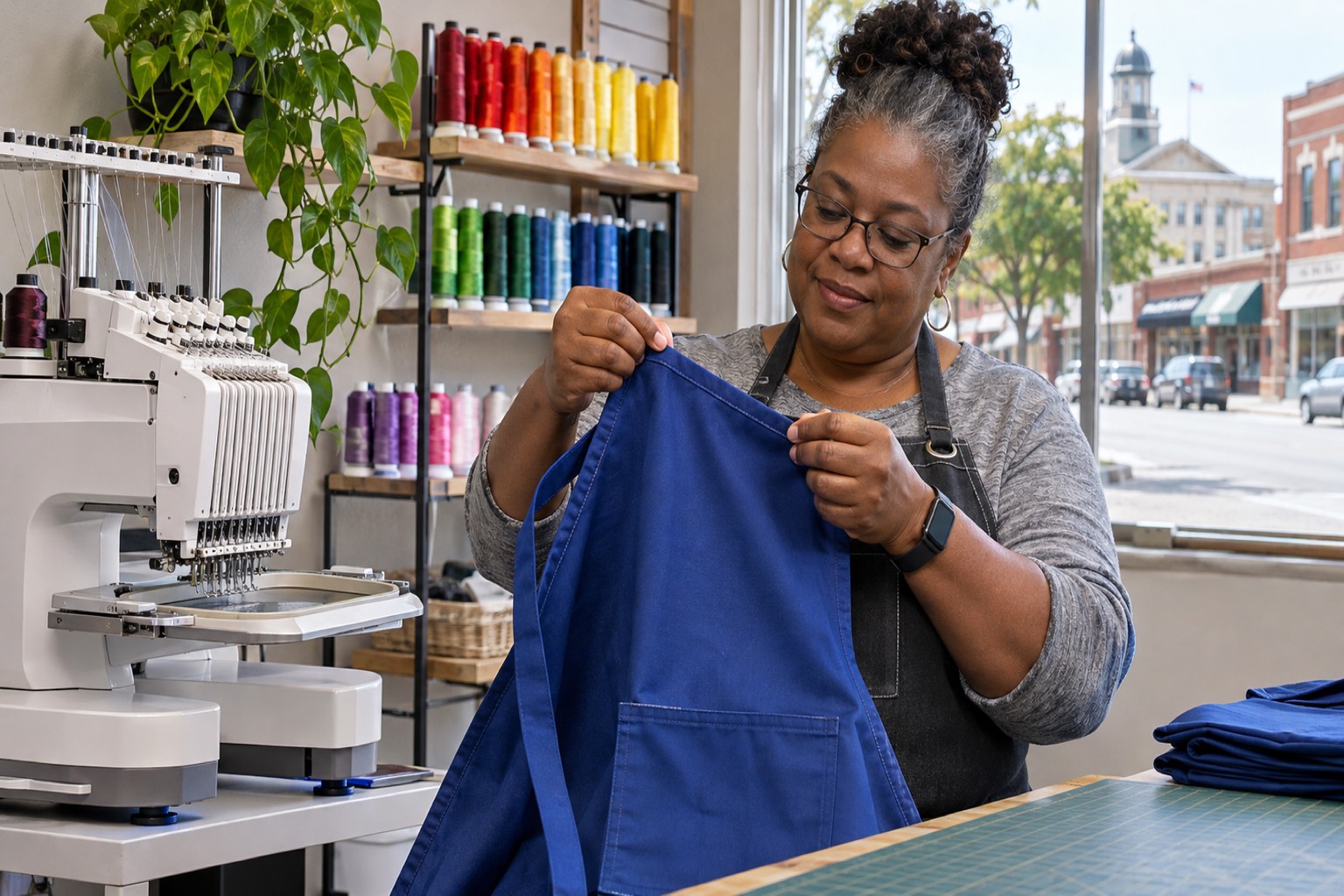
Begin with a clear picture of your Dover company
Contact Bridge Point Advisors to discuss the Dover, New Hampshire company you own, your intended timing and the responsibilities another owner would assume. Recent financial results, an account of your working duties and a current description of owned assets and open commitments provide a useful beginning. Use the conversation to identify preparation, valuation evidence, controlled disclosure and practical transition support. The next step should fit the actual operation and the next chapter you want, with suitable advisers involved where their expertise is needed. Call (352) 515-0226 or contact us.
Or call (352) 515-0226
Questions from local owners
Frequently asked questions
About selling a business in Dover, New Hampshire
Is the Children's Museum's parking address its physical address?
The museum gives 6 Washington Street as its physical address and separately recommends Henry Law Avenue for parking navigation. [1] A private seller should similarly distinguish premises from access arrangements. Nearby public parking cannot be presented as private spaces included in the business without the actual supporting agreement.
Can museum collections authenticate the goods in my shop?
The Woodman describes its own historic houses and collections. [2] Those references provide cultural context. A private dealer needs its own supporting evidence for product descriptions and ownership. Explain uncertainty and identify matters requiring specialist assessment rather than treat proximity to a museum as authentication of private merchandise.
Does chamber participation establish future customer work?
The chamber describes advocacy and communication on business issues. [3] Your company's accepted arrangements and receipts establish its own relationships. A contact or introduction differs from an order. A purchaser needs the actual customer scope before treating organizational participation as recurring income or an assured sale benefit.
What should be prepared for goods held on behalf of others?
Identify the owner, accepted description, condition and commercial arrangement, including pricing authority and unsettled amounts. Separate those goods from assets the seller owns. A successor needs the current record and appropriate adviser review of transfer questions before promising an item or assuming all customer money can be retained.
How do buyers think about value for a Dover, New Hampshire company?
Owner-operated shops often price around two to three and a half times seller's discretionary earnings after a real manager wage. With a lead already holding a quiet midweek, a directional band is often two and a half to four and a half times those earnings. Managed companies often price on adjusted EBITDA, commonly about three to six times near a ten million dollar price. Those ranges are directional, not a quote.
Who helps sell a business in Dover, New Hampshire?
Bridge Point Advisors. Start with a valuation or contact — call (352) 515-0226. The firm works nationally and does not claim a street office in Dover.

Ready to discuss selling your business in Dover?
Start with your goals, your recent results, and the company you are ready to transfer. Bridge Point Advisors — call (352) 515-0226. No street address is claimed for Bridge Point in Dover. Or contact us online. Write New Hampshire on page one — this is not Dover, Delaware.
Or call (352) 515-0226
Local research and sources
[1] Children's Museum of New Hampshire, physical address, parking and construction notice, reviewed November 4, 2026 Source
[2] Woodman Museum, separate houses, collections and locations, reviewed November 4, 2026 Source
[3] Greater Dover Chamber of Commerce, economic-development advocacy role, reviewed November 4, 2026 Source