

Home / Locations / Cottage Grove, Oregon
Your business. Your next chapter.
Business Broker in
Cottage Grove, Oregon
Make the retail counter and service bench understandable together
A business may sell ready goods while also accepting items for repair, adjustment or custom work. Those activities can share premises and employees while creating different responsibilities. A business broker in Cottage Grove should help an owner explain both sides of the enterprise. Bridge Point Advisors welcomes a discussion about your objectives and the business you are preparing to present. Show what customers purchase immediately, what they leave behind for attention and where your judgment directs the next step. A purchaser needs a clear account of the operating company, including the work still waiting when daily ownership responsibilities change. Bridge Point Advisors can help organize those facts around your selling goals — without inventing a Cottage Grove street office.
Or call (352) 515-0226
Before you go to market
A well-prepared sale starts with clarity
Understand the earnings, protect sensitive information, and prepare for the handover — boutique process, not “proven track record” slogans.
Discuss value in terms of repeatable performance
A business valuation in Cottage Grove should consider supported earnings, useful assets, commercial concentration and proprietor involvement together. A versatile offer can be part of the company's story, while the practical work behind it needs explanation. Show which activities employees handle independently and which require the owner's selection or assessment. Local shopping and recreation context[1][2] can orient investigation without determining the price or future contribution of an individual enterprise. See business valuations.
- Pull civic and seasonal spikes out of run rate
- Show a second lead already opening on a quiet Cottage Grove midweek
- Keep peer-metro comps on their own pages
Seller financing, earn-outs, and SBA financing belong only when records support them. The SBA 7(a) cap is $5 million — not lending advice.
Keep sale discussions controlled while the business operates
A confidential business sale in Cottage Grove can involve unusual objects, custom requests and recognizable shop interiors. Those details may identify the company or customer even when names are removed. Early material can summarize the nature of the work at an appropriate level. Detailed examples can be shared deliberately under suitable arrangements as investigation progresses. Review pictures and descriptions together, since a distinctive customer item can make a general company account more identifiable than either piece of information appears alone. Share detailed records through an NDA.
- Qualify buyers before releasing customer identities
- Stage disclosures before landlord or key-vendor introductions
- Test name-collision and peer-metro leftovers against this Cottage Grove rent
Lane County — south-of-Eugene valley trade kept distinct from Eugene leftovers
Bridge Point Advisors for Cottage Grove owners — without a claimed local street office
Bridge Point Advisors helps Cottage Grove and surrounding owners present their companies clearly — without treating a civic caption, undated directory listing, or leftover peer-metro multiple as twelve months of private earnings. Call (352) 515-0226. This page is Cottage Grove, Oregon. Cottage Grove, Minnesota is a different city and is not linked here. Soften sale talk — no Proven Track Record slogans or Key Market Stats widgets. We work nationally from Spring Hill.
Bridge Point Advisors
Cottage Grove, OR and surrounding areas. We work nationally from Spring Hill and do not list a fake Cottage Grove street office or unverifiable local hours.
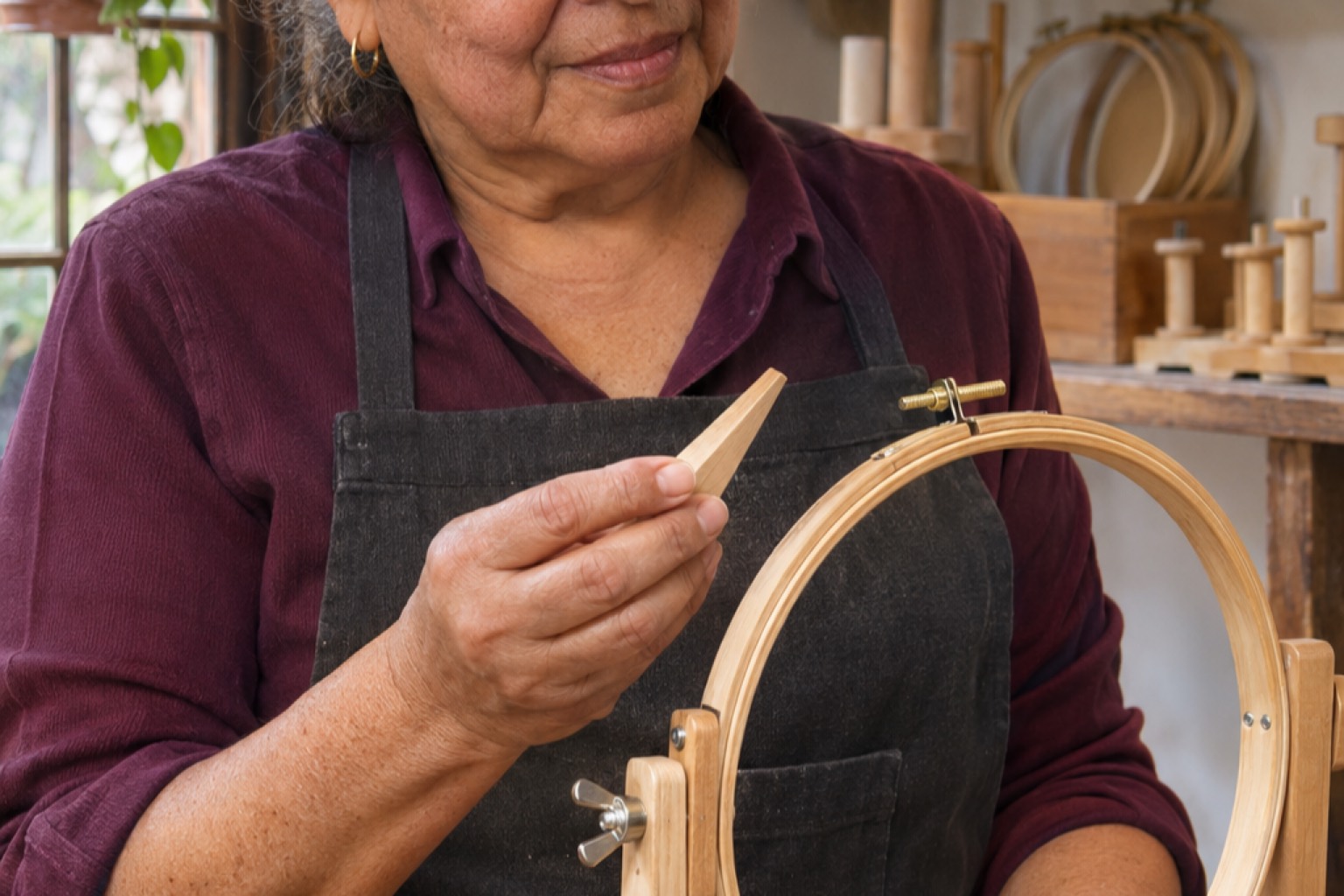
AI-generated editorial illustration. Not a photograph of an actual local business.
The market behind your business
Read the downtown mix without assuming every business works alike
The Cottage Grove Area Chamber of Commerce describes a business community that includes restaurants, theaters, auto parts and books. It also presents the historic downtown, museums and covered bridges alongside recreation in the town's surroundings.[1] Preserve the distinction between the commercial center and nearby destinations. A private seller should explain its actual customers and service locations rather than assume every visitor to the wider area becomes a downtown purchase or an inquiry for its own enterprise.
Downtown Cottage Grove's directory identifies books, antiques, craft goods, framing, guitar repair, bicycles and other retail or service activities.[2] This is useful evidence of the range of listed businesses. It does not establish that every enterprise combines selling and repair, or that its current services match those of another listed shop. A seller needs to define its own offer. Show the work actually accepted and the resources used before drawing conclusions from the broader commercial mix.
The city's economic development page identifies the Community Development Department's coordinating role and connections with the local development corporation and industrial park.[3] These are institutional resources, not evidence of a particular seller's customer orders. Current questions about programs or arrangements should be directed to the relevant organization. In a business-sale account, the company's own results and practical responsibilities remain the starting point, including any outside decisions that affect whether its current method could continue under another operator.
For a seller combining goods and service, the local directory[2] frames a useful investigation: how does one customer request move between the counter, bench and collection area? A purchaser should understand when the company becomes responsible for a customer's item, what approval is still needed and when work is actually complete. Explaining that sequence can be more informative than a general description of a versatile shop, because it reveals the decisions another owner would need to direct during ordinary trading. Soften sale talk — no fake Proven Track Record slogans or an unverifiable Cottage Grove street office for Bridge Point Advisors. This page is Cottage Grove, Oregon. Cottage Grove, Minnesota is a different city and is not linked here. Compare with Eugene, Roseburg, Albany, Salem, Portland only on each company's own files.
Local context. Practical implications.
Follow a customer item through the premises
Imagine an illustrative craft shop that sells frames and accessories while accepting an older embroidery frame for adjustment. The example describes no named Cottage Grove business. At first glance, the customer-owned frame may resemble merchandise on the same shelf. Its practical status is different: staff need to know whose item it is, what was requested and whether the customer approved the proposed work. A buyer cannot infer those responsibilities from the appearance of the counter or the number of frames present.
Begin with the request as understood today. A customer may have asked for a general assessment before deciding whether to proceed. Another may have approved a particular adjustment. Explain how those stages are distinguished and who clarifies an ambiguous instruction. The proprietor's ability to recognize an item and remember its story may keep work moving, but another owner needs a dependable reference. Show where that knowledge is already accessible and where a specific explanation would still be needed.
Then follow materials used for the work. A small component might come from ordinary stock, be ordered specially or belong to the customer. Those different origins can affect what remains available for other requests. Explain the actual practice and any unresolved decision before describing the item as ready. A purchaser needs to see the goods and responsibilities together, including resources that have been committed even though the customer has not yet collected the completed work.
Finally, examine collection and follow-up. An item may be physically finished while waiting for customer confirmation or a conversation about what was done. Show the next responsible action and the relevant contact. A useful operating account makes the current position understandable without asking staff to reconstruct every stage from memory. That helps an incoming proprietor continue accepted work while still running the retail counter and deciding whether additional service requests can be accommodated.

AI-generated editorial illustration. Not a photograph of an actual local business.
A different sale story for every company
Key industries in Cottage Grove
What owners should prepare before taking a business to market — qualitative preparation, not hard deal tallies.
Books, collectibles and specialty retail
Books, antiques and collectibles appear in the downtown directory.[2] A seller should describe its own merchandise and the judgment behind selection and condition assessment. Distinguish company-owned goods from items held for customers or another party. A purchaser needs to understand how staff identify the offer and explain unfamiliar objects. The broader downtown mix introduces the setting, while the enterprise's own purchases and sales establish what has actually contributed to trading under its current assortment and method. See retail.
Craft, framing and custom work
The directory includes craft goods, framing and related creative businesses.[2] A relevant seller should show the boundary between ready merchandise and an accepted custom request. Explain current scope, customer approval and the next decision. Work waiting at a bench can represent several different responsibilities. A buyer needs to know what has been promised, which materials are allocated and where the proprietor's interpretation still determines how an item moves toward completion and collection. See gift shop.
Practical repair and equipment-related retail
Guitar repair, bicycles and auto parts are among the listed activities.[2] A private seller should establish its particular service scope and capabilities. Explain how assessment, approved work and goods-only purchases differ. Keep specialist technical questions with appropriate qualified sources. For sale preparation, the useful evidence is what the enterprise has actually performed, who can direct it and which customer items or materials still require attention before another owner can rely on the apparent availability of bench space and stock. See appliance repair.
Food, entertainment and visitor service
The chamber and downtown directory describe food and entertainment alongside shopping.[1][2] A seller in these activities needs its own customer pattern and accepted arrangements. A visitor setting may introduce the enterprise while completed transactions establish contribution. Explain preparation and follow-up that do not appear in a simple sales count. Another operator needs the actual service method and the resources required to maintain it, with nearby attractions kept separate from private assets and unsupported forecasts of future purchases. See restaurant.
Local commercial and premises support
The city describes economic development coordination and the chamber presents a wider range of business services.[1][3] A support provider should identify its own customers, locations and current duties. Explain what a request authorizes and what requires further agreement. Where goods or equipment are held for an assignment, make their allocation visible. A purchaser can then investigate the company's demonstrated work without assuming that an institutional connection or a neighboring enterprise establishes private supplier standing or additional accepted business. See retail.
Valuation & exit prep
Soften valuation talk to supported earnings after a real manager wage — not a civic caption or leftover peer-metro multiple as twelve months of private profit. See business valuations and the sale-prep roadmap.
The ownership transition
Rehearse a sale and a service decision
Soft process steps aligned with Bridge Point Advisors practice — not invented close counts or a claimed Cottage Grove desk.
Understand the business
A useful handover exercise follows an ordinary merchandise purchase and an accepted request involving a customer-owned item. Ask the intended operator to identify the current position, resources and next action. Note where further explanation is needed. A missing instruction, unfamiliar product judgment and an outside approval require different responses. Giving support a specific purpose helps both parties understand the remaining preparation before another person is expected to direct the retail counter and service bench independently.
Prepare the presentation
Define assistance through activities and realistic availability. Orientation to goods, explanation of open work and introductions to relevant suppliers may require different involvement. Review commitments likely to continue after daily authority passes. A useful transition leaves current references and visible learning needs, rather than an indefinite expectation that the outgoing owner will recognize every object and reconstruct its history. Another operator should have a practical starting point for maintaining service and deciding what additional work the business can responsibly accept.
Plan the transition
Match seller assistance to accepted obligations and resources already available in Cottage Grove.
Due diligence
Due diligence — test lease, licenses, customer concentration, and quiet midweeks against local evidence — not a peer metro leftover.
Closing and transition
Closing and transition — hand over routines, contacts, unfinished work, and a clear endpoint so the buyer can run the next week without the founder.
Use the sale-prep roadmap and due diligence guides. M&A advisory fits when the company and buyer require that level of engagement.
Local market perspective
Separate changes in the work mix from changes in volume
Business brokerage in Cottage Grove should explain whether a trading change came from more retail purchases, additional service work or a different balance between them. Those activities can use the same employee time in different ways. Compare suitable periods and preserve the categories needed to understand them. A buyer should be able to investigate the contribution of the work performed rather than assume that a higher sales total came through the same operating method as before.
Look at tasks that do not immediately produce a completed transaction. Assessing a customer's item, clarifying a request and locating a matching component can take time even when the customer does not approve further work. Explain material effort through representative examples. This helps a purchaser assess staffing and owner dependence without treating all counter conversations as equivalent to routine merchandise sales. Where older records cannot separate the activities reliably, describe the limitation instead of supplying a precise-looking allocation from memory.
Review the queue through present status. A busy collection shelf may contain completed items awaiting pickup, while a full bench may contain assessments that have not become approved work. Neither is a complete measure of future revenue. Show the actual stage of each material commitment at an appropriate disclosure level. A purchaser can then understand the enterprise's workload and remaining decisions without treating every customer-owned object in the premises as a finished sale or a freely available business asset.
A clearer story for a prospective buyer
Cottage Grove, OR and surrounding areas
Providing local expertise
Nearby markets we also serve
Eugene, Oregon
Underwrite on its own records.
Roseburg, Oregon
Underwrite on its own records.
Albany, Oregon
Underwrite on its own records.
Salem, Oregon
Underwrite on its own records.
Portland, Oregon
Underwrite on its own records.
Spring Hill, Florida
National desk — where Bridge Point lists from.
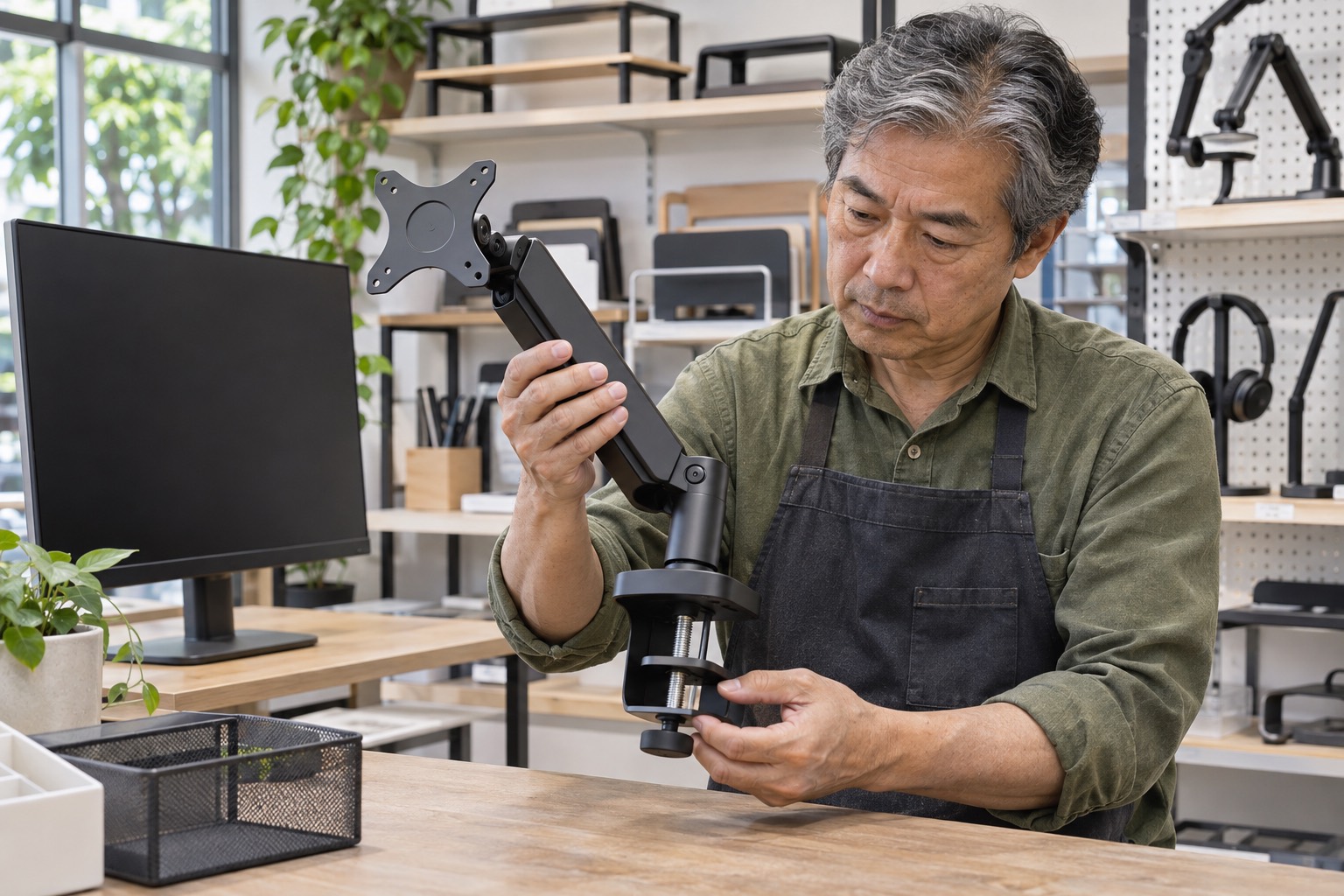
Begin with a clear picture of your Cottage Grove company
Bring your objectives, supported results and an account of the work moving through your premises. Bridge Point Advisors welcomes a discussion about how to sell a business in Cottage Grove. Explain ready merchandise, customer-owned items and the decisions that still rest with the proprietor. Connecting those responsibilities with the company's actual trading evidence gives a purchaser a clearer basis for investigation and a practical starting point for discussing the support needed when daily ownership duties pass. Call (352) 515-0226 or contact us.
Or call (352) 515-0226
Questions from local owners
Frequently asked questions
About selling a business in Cottage Grove, Oregon
Does every business in the downtown directory combine retail and repair?
No. The directory lists a range of distinct activities.[2] A seller should define its own offer and show the work actually accepted. The local mix can guide investigation, while the company's records establish whether retail, custom work or another service has contributed to its results.
Is an item awaiting assessment the same as approved work?
Show its actual status. A customer may have requested information before deciding whether to proceed. Identify the latest instruction and who can clarify it. Buyers need to understand what is already promised and what remains a possible assignment before relying on the apparent workload at a bench.
Can customer property be counted with company stock?
Keep ownership and purpose clear. A customer-owned item, merchandise ready for sale and materials allocated to a specific request have different practical roles. A purchaser needs a current account of what the enterprise controls and what duties remain before the same space or goods can support another request.
Do nearby recreation resources establish a seller's customer demand?
No. The chamber describes the town and its surroundings.[1] A private company needs its own purchases, accepted arrangements and service evidence. Keep regional attractions geographically accurate and use the business's actual records to explain the customers and operating pattern a purchaser should investigate.
How do buyers think about value for a Cottage Grove, Oregon company?
Owner-operated shops often price around two to three and a half times seller's discretionary earnings after a real manager wage. With a lead already holding a quiet midweek, a directional band is often two and a half to four and a half times those earnings. Managed companies often price on adjusted EBITDA, commonly about three to six times near a ten million dollar price. Those ranges are directional, not a quote.
Who helps sell a business in Cottage Grove, Oregon?
Bridge Point Advisors. Start with a valuation or contact — call (352) 515-0226. The firm works nationally and does not claim a street office in Cottage Grove.

Ready to discuss selling your business in Cottage Grove?
Start with your goals, your recent results, and the company you are ready to transfer. Bridge Point Advisors — call (352) 515-0226. No street address is claimed for Bridge Point in Cottage Grove. Or contact us online. This page is Cottage Grove, Oregon. Cottage Grove, Minnesota is a different city and is not linked here.
Or call (352) 515-0226
Local research and sources
[1] Cottage Grove Area Chamber of Commerce, Home. Reviewed November 7, 2026 Source
[2] Downtown Cottage Grove, Restaurants and Retail. Reviewed November 7, 2026 Source
[3] City of Cottage Grove, Economic Development. Reviewed November 7, 2026 Source