
Home / Locations / Falls City, Nebraska
Your business. Your next chapter.
Business Broker in
Falls City, Nebraska
Explain the business behind its place in Falls City
A Falls City company can be known for creative work, practical service or the ability to handle a customer's specialized request. A purchaser needs to understand how that contribution becomes earnings and what another owner would inherit. A business broker in Falls City can help an owner organize customer evidence, resources and a practical transition plan. Bridge Point Advisors welcomes a conversation about your company and the next chapter you want. Begin with the present offer, how instructions become finished results and the decisions still concentrated with you before another owner can independently assume responsibility with realistic, defined seller support. Bridge Point Advisors can help organize those facts around your selling goals — without inventing a Falls City street office.
Or call (352) 515-0226
Why this market needs careful framing
Experience the Bridge Point advantage in Falls City
Soft local framing — not Proven Track Record tallies, Deep Local Roots office claims, or Key Market Stats widgets.
Confidentiality first
Stage disclosures so a recognizable Falls City door, specialty, or concentrated account is not named on day one.
National buyer outreach
Reach industry-first buyers without treating a drive-time as a peer-metro comparable.
Local operating knowledge
Frame territory, midweeks, and commitments as separate columns — not a claimed Falls City street office.
Supported valuation methods
Price on supported earnings and a realistic continuing lead — not a civic caption as twelve months of profit.
Richardson County seat — US-73 / US-159 southeast Nebraska Missouri River corridor — NOT Falls City OR/TX
Bridge Point Advisors for Falls City owners — without a claimed local street office
Bridge Point Advisors helps Falls City and surrounding owners present their companies clearly — without treating a civic caption, undated directory listing, or leftover peer-metro multiple as twelve months of private earnings. Call (352) 515-0226. Write Nebraska on page one — this is Falls City, Nebraska in Richardson County, not Falls City, Oregon or Falls City, Texas. Soften sale talk — no Proven Track Record slogans or Key Market Stats widgets. We work nationally from Spring Hill.
Bridge Point Advisors
Falls City, NE and surrounding areas. We work nationally from Spring Hill and do not list a fake Falls City street office or unverifiable local hours.

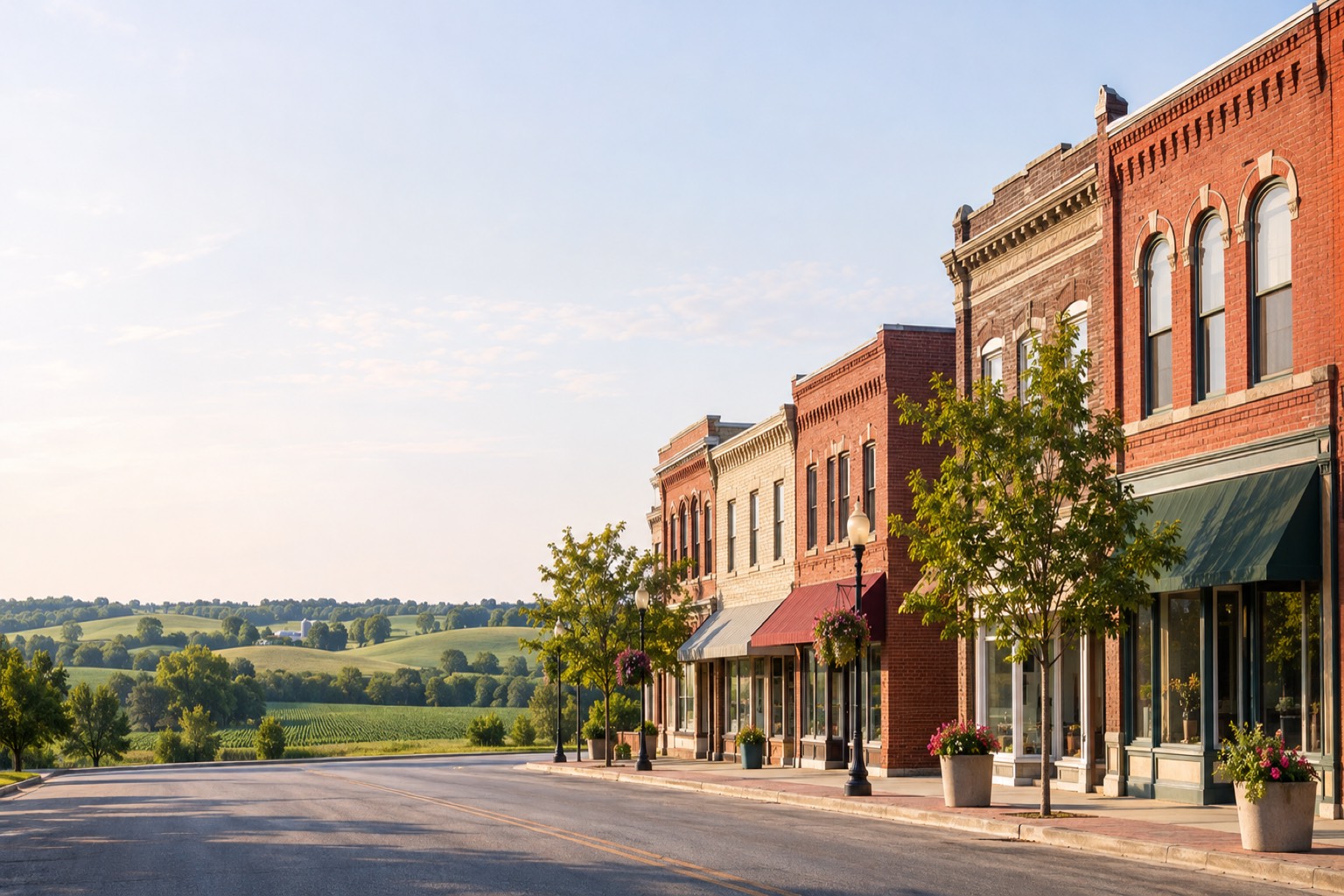
AI-generated editorial illustration. Not a photograph of an actual local business.
The market behind your business
Make Stone Street's commercial setting specific to your customers
Falls City Chamber and Main Street describes downtown Stone Street as a setting for galleries, museums, restaurants, clothing, home décor, antiques and service businesses. [1] This provides a distinctive introduction for a seller with downtown premises or customer relationships. It does not establish the spending of people visiting the district or the profitability of any individual operation. Explain actual receipts, orders and working resources rather than treating the range of nearby amenities as proof of private performance.
If you plan to sell a business in Falls City, distinguish an immediate purchase from work prepared to a particular instruction. A framing business, for example, may help a customer choose materials before committing labor. A shop may reserve merchandise or arrange collection. Show the current agreement and the response when the first option is unavailable. Buyers need the work behind receipts, including decisions the owner makes personally and preparation that may happen outside public opening hours.
The chamber also identifies Falls City's arts history and cultural institutions. [1] Public collections and another organization's activities should remain separate from property included in a private sale. A seller handling art-related merchandise needs evidence of ownership, condition and sourcing for its own stock. A purchaser should be able to distinguish that inventory from customer property held for work and from items belonging to museums, galleries or other parties outside the offered package.
Describe customer reach through actual transactions and destinations. Local counter trade differs from a custom order collected later or delivered elsewhere. Explain who requests work, who approves a change and where the finished result goes. Buyers need those relationships clear before evaluating more territory or another category as a future choice requiring resources, rather than assuming a recognizable district establishes all nearby visitors or organizations as customers already represented in the business's demonstrated earnings. Soften sale talk — no fake Proven Track Record slogans or an unverifiable Falls City street office for Bridge Point Advisors. Write Nebraska on page one — this is Falls City, Nebraska in Richardson County, not Falls City, Oregon or Falls City, Texas. Compare with Auburn, Nebraska City, Lincoln, Beatrice, Crete only on each company's own files.
Local context. Practical implications.
Keep city destinations and regional development plans in perspective
Nebraska Tourism identifies Falls City destinations including the John Philip Falter Museum, Stanton Lake Park and Itha Krumme Memorial Arboretum. The same page also lists Verdon State Recreation Area at a Verdon address and an Iron Monument southeast of Rulo. [2] Keep those places distinct. A destination result does not mean every attraction is within the city or that visitors follow the same route past the seller's premises.
For a food, retail or hospitality business, explain identifiable visitor transactions through company records. A public museum or park cannot establish private bookings, spending or operating rights. Acknowledge where customer reasons are unknown instead of assigning an unsupported share of receipts to tourism. Buyers need ordinary local trade alongside any documented visitor channel, with preparation, purchasing and staffing visible across different periods rather than only the busiest interval.
Falls City EDGE describes regional connections and development projects, including a rail campus and commercial and housing activity. [3] These provide economic development context. They do not establish that every project is complete or that a private seller holds rail access, additional premises or commercial accounts. Explain the resources actually controlled by the business and supporting documents. Keep a proposed expansion distinct from the existing offer so buyers can investigate its requirements without confusing public development with private capability.
A company claiming organizational work should identify the requesting party, purchasing authority and acceptance process. A familiar contact can coordinate without controlling every future order. The development organization's regional account [3] cannot establish a private contract or purchaser funding. Support actual relationships through company evidence and identify questions requiring appropriate investigation, keeping local setting separate from the financial and operating record of the particular company being considered for transfer.

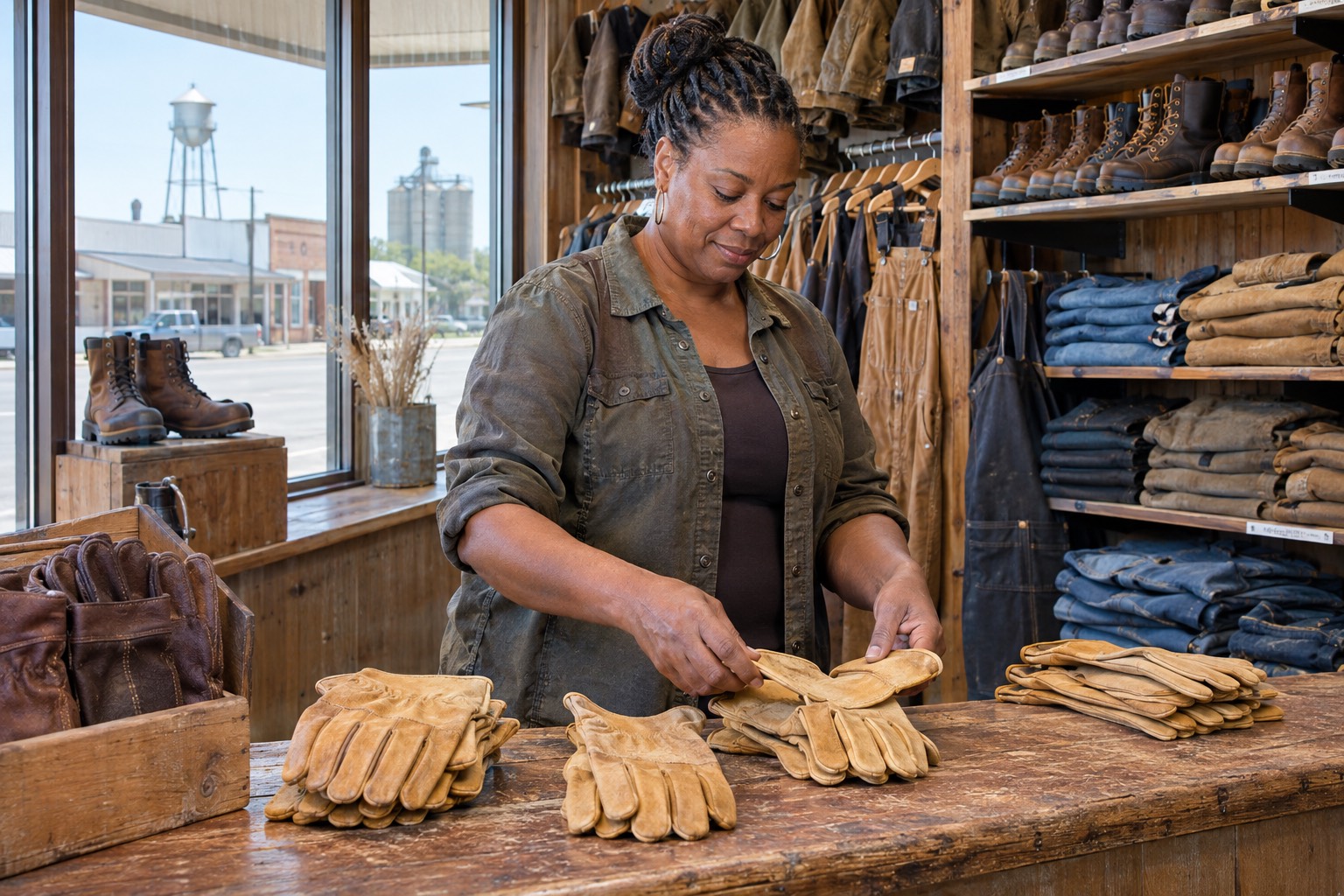
AI-generated editorial illustration. Not a photograph of an actual local business.
A different sale story for every company
Key industries in Falls City
What owners should prepare before taking a business to market — qualitative preparation, not hard deal tallies.
Picture framing and creative specialist service
Explain how a customer's desired result becomes an approved selection. Materials, condition and the intended display can affect the recommendation before work begins. Buyers need the current instruction, sourcing and completion evidence beside receipts. The chamber's arts setting [1] introduces context without establishing private capability. Show customer-owned items separately from stock included in the sale and identify judgment another owner must learn or obtain from a qualified resource before independently providing the same offer. See retail.
Clothing, home décor and independent retail
The chamber describes these categories along Stone Street. [1] A seller should explain its actual assortment, stock condition and selection knowledge. General merchandise differs from reserved goods and special orders. Show the response when an item is unavailable and how customer changes are retained. Buyers need the work behind purchasing and replenishment rather than assume every item contributes equally to earnings or every person visiting the district becomes a customer of the business offered for sale. See retail.
Food service and practical hospitality
Separate ordinary local purchases from advance commitments and identifiable visitor transactions. Public destination information [2] cannot establish another company's bookings or spending. Explain preparation, purchasing and coverage beyond public hours, including deposits and promises remaining after payment. Buyers need the operation across quieter and busier intervals. Show the owner's actual work and resources another operator would require before assuming independent continuity of the same service after ownership changes. See restaurant.
Commercial suppliers and practical workshops
Describe actual products, technical requests and authorization. A standard item differs from work needing assessment or a custom specification. Show who approves changes and how completion is accepted. EDGE's development account [3] introduces context but cannot establish accounts or transport rights for another company. Buyers need the seller's own evidence, practical capability and concentration questions, including where staff act independently and where training or another qualified resource remains necessary before the owner can step away. See retail.
Property maintenance and household services
Show the sites actually served and the information needed before scheduling. Routine work can differ from an individual project requiring materials and further approval. Explain access, preparation and the response when findings change scope. Buyers need coordination and follow-up beside time at the property. Keep the present footprint understandable before describing additional coverage or another category as a prospective choice requiring staff, transport, equipment or working cash beyond the resources supporting demonstrated performance. See construction.
Valuation & exit prep
Soften valuation talk to supported earnings after a real manager wage — not a civic caption or leftover peer-metro multiple as twelve months of private profit. See business valuations and the sale-prep roadmap.
Local market perspective
Evaluate new offers through customer evidence and practical requirements
A creative or specialist company may see requests it does not currently fulfill. Explain why they fall outside the present offer before presenting them as opportunities. Is a different material needed, is condition unsuitable or does a task require another skill? Show the current response and what resources would need to change. A purchaser should understand existing earnings independently of a future choice requiring additional stock, equipment or instruction beyond the package actually offered.
For business brokerage in Falls City, distinguish a completed trial from an untested idea. A broader assortment may need sourcing knowledge and working cash. More commercial work could involve another authorization process and payment pattern. A different service may change preparation and coverage. The arts setting [1] or regional development activity [3] cannot resolve those private operating questions. Buyers need actual results and assumptions identified so they can investigate future choices without treating them as historical performance.
Review changes in receipts against the company's own decisions. Hours, staffing, product availability and the timing of a significant custom order can affect results independently of outside activity. Explain supported causes and acknowledge gaps. A public destination listing [2] does not measure private transactions. A clearer account connects completed work and customer commitments with performance rather than assuming the community's cultural identity or announced development explains every fluctuation and guarantees additional earnings.
A clearer story for a prospective buyer
Falls City, NE and surrounding areas
The ownership transition
Match the transition to the company's working calendar
Soft process steps aligned with Bridge Point Advisors practice — not invented close counts or a claimed Falls City desk.
Understand the business
Match seller assistance to accepted obligations and resources already available in Falls City.
Prepare the presentation
Match seller assistance to accepted obligations and resources already available in Falls City.
Plan the transition
Match seller assistance to accepted obligations and resources already available in Falls City.
Due diligence
Due diligence — test lease, licenses, customer concentration, and quiet midweeks against local evidence — not a peer metro leftover.
Closing and transition
Closing and transition — hand over routines, contacts, unfinished work, and a clear endpoint so the buyer can run the next week without the founder.
Use the sale-prep roadmap and due diligence guides. M&A advisory fits when the company and buyer require that level of engagement.
Providing local expertise
Nearby markets we also serve
Auburn, Nebraska
Underwrite on its own records.
Nebraska City, Nebraska
Underwrite on its own records.
Lincoln, Nebraska
Underwrite on its own records.
Beatrice, Nebraska
Underwrite on its own records.
Crete, Nebraska
Underwrite on its own records.
Spring Hill, Florida
National desk — where Bridge Point lists from.
Begin with a clear picture of your Falls City company
Bridge Point Advisors welcomes Falls City owners considering a possible sale. Bring an outline of results, customer channels, operating resources and decisions still concentrated with you. A focused conversation can identify useful evidence, practical knowledge to demonstrate and questions requiring appropriate advice. Preparing around the actual operation supports a clearer review of valuation, confidentiality and transition while keeping your preferred future involvement visible as a purchaser investigates the company and the realistic support involved in a potential ownership change. Call (352) 515-0226 or contact us.
Or call (352) 515-0226
Questions from local owners
Frequently asked questions
About selling a business in Falls City, Nebraska
Does the downtown arts setting establish my company's customer demand?
No. The chamber describes Stone Street's commercial mix and cultural institutions. [1] Your records need to establish actual purchases and customer channels. Explain identifiable connections and acknowledge gaps in purchasing reasons rather than assign receipts to arts activity or assume every visitor becomes a customer of the offered business.
Are all destinations on the tourism page within Falls City?
No. The page includes Falls City addresses but also lists Verdon State Recreation Area at Verdon and the Iron Monument southeast of Rulo. [2] Keep those places distinct and explain actual customer journeys instead of assuming every listed attraction is within the city or sends purchasers past the private company's premises.
Can a regional development project establish assets included in my sale?
No. EDGE describes economic development projects and regional connections. [3] The private offer needs its own premises, asset and arrangement evidence. Identify what the company controls and questions requiring investigation rather than assuming a rail campus, commercial site or proposed development provides rights belonging to another business.
What should a creative-service owner demonstrate during transition?
Show how an incomplete request becomes an approved selection, including condition, materials and a changed instruction through completion. This reveals employee knowledge and the training or additional resource still needed before another owner independently accepts comparable work with realistic seller support and a defined endpoint.
How do buyers think about value for a Falls City, Nebraska company?
Owner-operated shops often price around two to three and a half times seller's discretionary earnings after a real manager wage. With a lead already holding a quiet midweek, a directional band is often two and a half to four and a half times those earnings. Managed companies often price on adjusted EBITDA, commonly about three to six times near a ten million dollar price. Those ranges are directional, not a quote.
Who helps sell a business in Falls City, Nebraska?
Bridge Point Advisors. Start with a valuation or contact — call (352) 515-0226. The firm works nationally and does not claim a street office in Falls City.

Ready to discuss selling your business in Falls City?
Start with your goals, your recent results, and the company you are ready to transfer. Bridge Point Advisors — call (352) 515-0226. No street address is claimed for Bridge Point in Falls City. Or contact us online. Write Nebraska on page one — this is Falls City, Nebraska in Richardson County, not Falls City, Oregon or Falls City, Texas.
Or call (352) 515-0226
Local research and sources
[1] Falls City Chamber and Main Street, Creative District, Stone Street commercial mix and arts context; reviewed November 4, 2026 Source
[2] Nebraska Tourism, Falls City and regional destination listings; reviewed November 4, 2026 Source
[3] Falls City Economic Development and Growth Enterprise, regional connections and development context; reviewed November 4, 2026 Source