

Home / Locations / Cadiz, Kentucky
Your business. Your next chapter.
Business Broker in
Cadiz, Kentucky
Present the business behind the downtown and lake-country experience
Cadiz connects distinctive downtown shopping with the wider Lake Barkley visitor market. For an owner considering a sale, that setting is useful only when the company's own records explain how customers find it and what they buy. Bridge Point Advisors can help turn a familiar local operation into an understandable opportunity. Your presentation should distinguish ordinary resident trade, seasonal visitors, repeat property owners, and occasional events. It should also explain the work behind each sale. A buyer needs to understand the business through a complete year, including the quieter weeks, the commitments already accepted, and the changes affecting its customers.
Or call (352) 515-0226
Trigg County seat — Main Street / Lake Barkley / Land Between the Lakes edge
Bridge Point Advisors for Cadiz owners
Bridge Point Advisors helps Cadiz and Trigg County owners present antique and specialty retail, restaurants and visitor-oriented food, lodging and accommodation support, marine and outdoor service, and home-maintenance routes clearly — including Cerulean when the invoices already name that desk — without treating a Lake Barkley Saturday, a resort-park renovation notice, a Hopkinsville leftover multiple, or a Clarksville caption as a substitute for the company's own files. Call (352) 515-0226. No street address is claimed for Bridge Point in Cadiz. This is not Cadiz, Ohio.
Bridge Point Advisors
Cadiz, KY and surrounding areas. We work nationally from Spring Hill and do not list a fake Cadiz street office or unverifiable local hours.
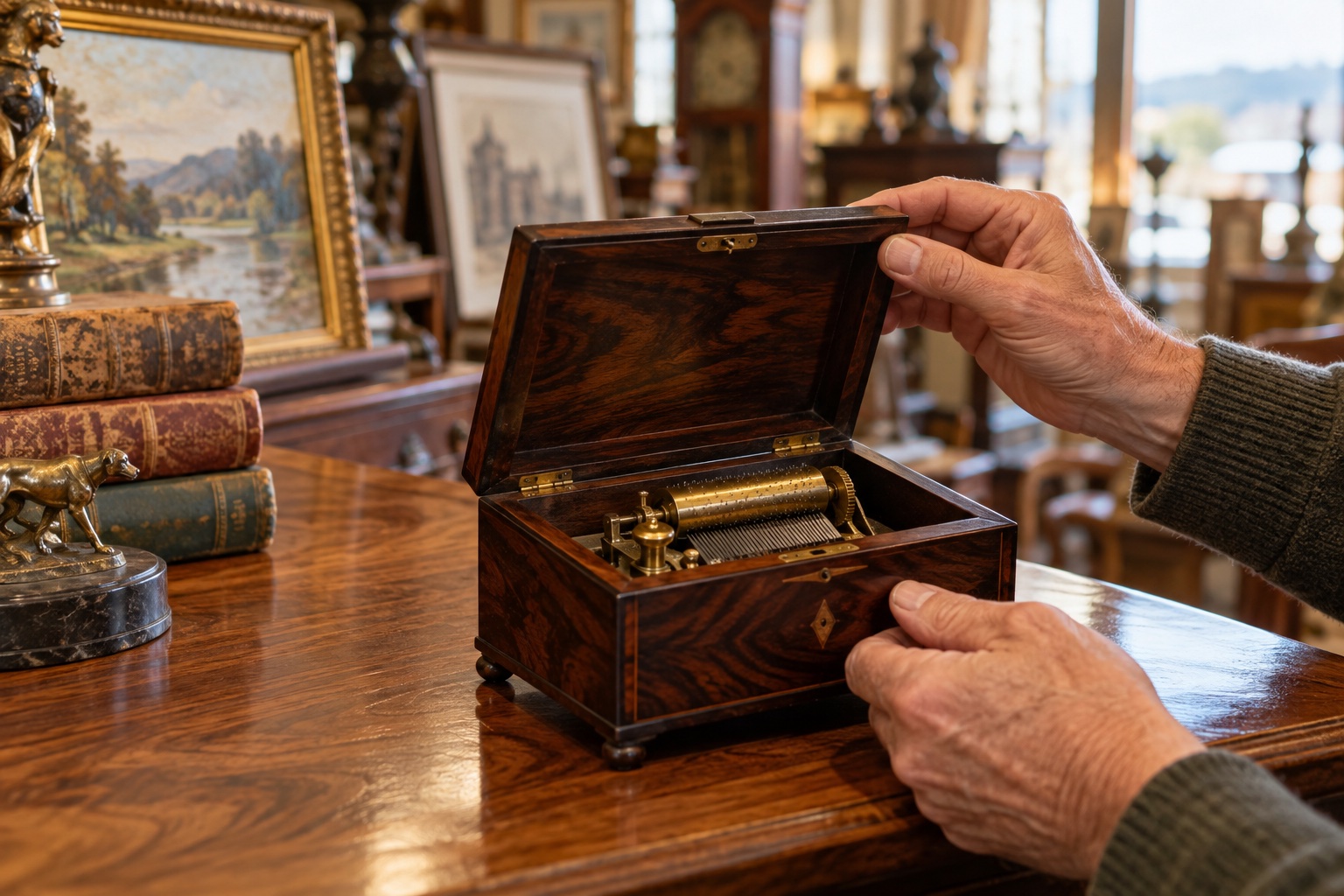
AI-generated editorial illustration. Not a photograph of an actual local business.
The market behind your business
Downtown Cadiz and the lake area represent different customer journeys
The City of Cadiz describes a downtown arts and antiques district with antique and specialty shops. The Cadiz-Trigg County Tourist Commission also promotes local dining and Lake Barkley activities. These are connected parts of the area's appeal, but they should not be treated as one location or one type of customer. A downtown shop and a business serving lake properties may depend on quite different travel patterns.[1][2]
An owner preparing to sell a business in Cadiz should begin with the reason customers arrive. Some shoppers make a deliberate trip for a particular collection or product. Others stop while visiting the area. A repair or property-service customer may book work before arriving, while a restaurant guest may decide where to eat that afternoon. Those distinctions affect marketing, inventory, and staffing.
Look beyond a broad label such as tourism. Review the channels that actually produce transactions: telephone requests, repeat visits, referrals, online orders, or appointments. Where customer origins are recorded appropriately, use that information to describe the market. Where records are limited, explain the uncertainty rather than assigning an unsupported percentage to visitors.
The premises matter in a practical way. A specialty shop needs suitable display and storage space; a service business may need vehicle access, secure equipment storage, or room for customer items. Soften sale talk to staged disclosure — not Proven Track Record slogans, fake testimonials, or an unverifiable Cadiz street office for Bridge Point. Compare with Hopkinsville, Princeton, Benton, Eddyville, Murray, Mayfield, Paducah, Clarksville, and Dover only on each company's own records — not as twins of this Trigg County seat. Cadiz, Ohio shares a name and nothing else. Cerulean folds into this conversation when the invoices already name that desk — it is not a separate published location page here.
Before you go to market
Assemble a sale file that explains the whole customer commitment
Before you sell your business in Cadiz, trace several representative transactions from the first inquiry to final delivery. Choose examples that reflect the real company: a shipped antique, a restaurant group booking, a property turnover, or an equipment repair. Record the decisions, materials, staff time, and follow-up involved. This exercise often reveals obligations that do not appear clearly in a year-end income statement.
Prepare a schedule of unfinished commitments. Include deposits, customer credits, goods awaiting collection, repair jobs, and accepted future orders. Explain what has been paid, what remains to be done, and which resources are needed. Soften claims to supported evidence — not Maximum Value absolutism or a resort-renovation recovery thesis pasted onto current earnings.
Next, describe the working calendar. Include ordering lead times, annual maintenance, seasonal staffing decisions, and periods when the owner usually reduces hours. Connect these schedules to recent financial statements and tax records with help from the appropriate advisers. Use the sale-prep roadmap before marketing begins.
Local context. Practical implications.
Lake-area commerce needs a calendar of actual operating conditions
Kentucky State Parks' current Lake Barkley State Resort Park notice describes major renovations, including closed main-lodge guest-room wings and fitness facilities, with work continuing through 2027. This is a specific facility update, not a statement that the entire lake area is closed. Sellers should use the current notice when discussing local conditions rather than relying on older general descriptions of the lodge.[3]
The marina operator's September 2026 website posts also describe late-season schedule changes. Those notices illustrate how individual services can follow their own calendars. They do not establish the opening schedule of every nearby business. A buyer assessing a Cadiz company needs the seller's actual operating dates and any demonstrated effect on customers.[4]
For a business connected to visitor stays, compare booking sources, cancellation patterns, and trading periods. If renovation activity affected the company, identify the dates and the evidence. Explain whether an apparent change came from fewer customers, altered hours, a different product mix, or a decision by the owner. Avoid converting a plausible explanation into an automatic earnings adjustment.
Year-round customers deserve equal attention. A company may serve local households, maintain second homes, fulfill specialty orders, or repair equipment outside the busiest visitor months. Soften peer-city paste from Hopkinsville, Benton, Eddyville, and Clarksville unless invoices already support that work. Soften valuation talk to supported earnings — not a houseboat photograph or a Land Between the Lakes caption pasted onto a quiet February Tuesday.

AI-generated editorial illustration. Not a photograph of an actual local business.
A different sale story for every company
Business types that require different sale preparation in Cadiz
What owners should prepare before taking a business to market — qualitative preparation, not hard deal tallies or invented close counts.
Antiques, art and specialty retail
A downtown retailer should explain how merchandise is selected, acquired, and priced. Identify owned stock separately from consigned goods or vendor merchandise. A large display does not necessarily represent inventory belonging to the seller. Show the buyer the age and condition of stock, sales by meaningful category, and the work required to find replacements. If customers value the owner's judgment, demonstrate how that knowledge can be shared through sourcing notes, supplier contacts, and practical training. See retail.
Restaurants and visitor-oriented food
A food business should compare an ordinary trading week with a busy visitor period. Explain how menus, purchasing, and staffing change, and whether local repeat customers support particular days or meal periods. Review equipment maintenance, food costs, and the owner's contribution to cooking or supervision. Catering commitments and prepaid orders need a separate schedule. See restaurants.
Lodging and accommodation support
An accommodation business, cleaning company, or linen service should show how reservations become completed work. Identify the properties or units served, frequency of turnover, and responsibilities for supplies, inspections, and guest issues. Separate future reservations from earned income and explain deposits or credits. See hotels and cleaning services.
Marine, outdoor and equipment services
A business serving boaters or outdoor customers should identify the equipment and knowledge behind its offering. Review customer-owned items in storage or repair, parts awaiting installation, and work accepted for a later date. Explain seasonal preparation and shutdown tasks where relevant. Describe the company's actual service territory without implying that all lake-area demand belongs to it. See auto repair and construction.
Home maintenance and everyday local services
A service company may work for permanent residents as well as owners who visit periodically. Show how these customer groups affect scheduling, access, and communication. Record recurring tasks, approvals for additional work, and arrangements for urgent problems. The value of an established route depends partly on whether another owner can deliver it efficiently. See HVAC, landscaping, and construction.
Valuation & exit prep
Soften valuation talk to supported earnings, durable account history, and owner work — not a Lake Barkley Saturday or a Ham Festival caption as private demand. See business valuations and exit planning.
The ownership transition
Hand over the next season as well as the next working day
Soft process steps — transfer open work and operating judgment; no invented close counts.
Understand the business
Trace representative transactions from inquiry through delivery. Name where the owner still supplies sourcing, diagnosis, scheduling, or guest judgment — separate from a downtown photograph or a Hopkinsville leftover caption.
Prepare the presentation
Build an account of resident, visitor, second-home, and event-related activity with costs attached. Connect unfinished jobs, deposits, customer goods, and prepaid orders with the financials.
Plan the transition
Hand over upcoming bookings, ordering deadlines, scheduled maintenance, and a clear endpoint for seller assistance — not an informal promise that lake-season familiarity transfers automatically.
Use the sale-prep roadmap and due diligence guides. M&A advisory fits when the company and buyer require that level of engagement.
Local market perspective
Separate temporary disruption from a lasting business change
The current park renovation notice gives Cadiz sellers a concrete reason to examine how outside changes appear in their accounts. A temporary facility closure might affect some companies and leave others largely unchanged. The right sale narrative begins with evidence from the business, not an assumption based on proximity to the lake.[3]
Build a dated explanation of unusual periods. Compare the same months across available years, noting changes in your own hours, staffing, prices, and service offering. If a major customer changed its schedule, show the relevant orders or invoices. If sales shifted between downtown visits and online purchases, describe both channels. A buyer should be able to follow the explanation without accepting a general statement that conditions were unusual.
Future improvements belong in a separate discussion. Public investment may change the visitor experience, but an independent seller should not count unearned future revenue as established performance. Soften peer-city paste from Hopkinsville, Benton, Princeton, and Paducah. Before you sell your business in Cadiz, Bridge Point Advisors also serves Murray, Mayfield, Eddyville, Madisonville, Clarksville, and Dover — each underwritten on its own records, without a claimed Cadiz street office.
A clearer story for a prospective buyer
Cadiz, KY and surrounding areas
Providing local expertise
Nearby markets we also serve
Hopkinsville, Kentucky
Christian County / Gate 4 week — wrong clerk for this Trigg listing.
Princeton, Kentucky
Caldwell County peer — compare only on each company's own records.
Benton, Kentucky
Marshall / Kentucky Lake desk — keep slip books separate.
Eddyville, Kentucky
Lyon County lake-and-courthouse week — not this Main Street rent.
Murray, Kentucky
Calloway campus overlay — separate underwriting story.
Mayfield, Kentucky
Graves County peer — keep west-Kentucky books separate.
Paducah, Kentucky
McCracken river-city trade — not a Cadiz leftover multiple.
Clarksville, Tennessee
Montgomery weekday — different state and clerk.
Cadiz, Ohio
Harrison County seat — shared name only.

Start with the Cadiz business you actually operate
Gather recent records, describe your customer mix, and identify the work that still depends on you. Contact Bridge Point Advisors to discuss selling your business in Cadiz, Kentucky — call (352) 515-0226 or start at /contact.
Or call (352) 515-0226
Questions from local owners
Frequently asked questions
About selling a business in Cadiz, Kentucky
Should I discuss the Lake Barkley renovations in my sale materials?
Include them when they help explain a documented effect on your business. Use the current state-park notice and describe the relevant period precisely. Do not assume that every visitor business experienced the same change. Separate your actual results from expectations about future improvements, and avoid treating a possible recovery as income already earned.
How should I show a mix of local and visitor customers?
Use the information your business records reliably, such as booking channels, repeat accounts, order history, or seasonal trading patterns. Explain the limits of that information. A practical description of how customers arrive and what they purchase is more useful than an unsupported estimate of the share attributed to tourism.
What happens to deposits and unfinished customer work?
Prepare a schedule showing the money received, the commitment accepted, and the work remaining. Include customer goods, credits, and orders awaiting collection where relevant. The proposed transaction should address those responsibilities clearly. A buyer needs to understand the obligations alongside the assets and income being discussed.
Can a buyer learn a business that depends on my specialist knowledge?
Training can help, but first identify what the knowledge involves. Document sourcing, diagnosis, scheduling, or customer decisions through real examples. Show which employees already handle parts of the work. Agree on a realistic transition scope so the purchaser can assess the skills needed and the seller can plan a defined exit.
Is this Cadiz the same listing as Hopkinsville, Clarksville, or Cadiz, Ohio?
No. This page is Cadiz in Trigg County — downtown arts and antiques trade, Lake Barkley visitor context, and a Cerulean isolate when invoices already name it. Hopkinsville keeps Christian County. Clarksville keeps Montgomery County in Tennessee. Cadiz, Ohio keeps Harrison County. Write each clerk on its own records.
Do marina schedule posts or a resort-park notice set run rate for every Cadiz business?
No. Those notices are dated facility or operator updates. They illustrate that individual services follow their own calendars. A buyer still needs your company's actual operating dates and any demonstrated effect on customers — not an automatic earnings adjustment based on proximity to the lake.
What should I bring to a first conversation about selling in Cadiz?
Bring recent accounts, a customer outline that separates resident, visitor, second-home, and event trade, and the duties you still perform personally. Bridge Point Advisors does not claim a Cadiz street office; start with a valuation or contact at (352) 515-0226.

Ready to discuss selling your business in Cadiz?
Start with your goals, your recent results, and the company you are ready to transfer. Bridge Point Advisors — call (352) 515-0226. No street address is claimed for Bridge Point in Cadiz. Or contact us online. We work from Spring Hill.
Or call (352) 515-0226
Local research and sources
[1] City of Cadiz, downtown arts, antiques and specialty retail description. Reviewed October 29, 2026. Source
[2] Cadiz-Trigg County Tourist Commission, downtown and regional visitor context. Reviewed October 29, 2026. Source
[3] Kentucky State Parks, Lake Barkley State Resort Park current construction notice. Reviewed October 29, 2026; facility closures and work through 2027 are current notice statements, not a guaranteed reopening date. Source
[4] Lake Barkley Marina, September 2026 seasonal operating posts. Reviewed October 29, 2026; used as dated examples rather than current-hours guidance. Source